Chase Sequences
The Monthly Roundup: Chase Sequences
Chase Sequences can come in many forms - sometimes they involve the player being pursued through derelict buildings by some malevolent force, sometimes they are made from the player themselves acting as the pursuer through a bustling market in Renaissance Italy. One of the difficulties designing and resolving these sequences are their failure states. What do you do if the player stops engaging? If they are being pursued maybe you kill and reset the player state - if they are chasing someone and lose them, what then?
Some games forgo this. Recently you might have seen Mixtape’s non-stop chase sequence - itself generating mixed opinions, but providing no fail state whatsoever. The game requires a level of synchronisation between Music and Visual that makes this the prescient design option, as allowing the player to control the tempo and pace of the scene would have been very difficult.
Chase Sequences are interesting as a point of tension to me. As a designer you rely on the player role-playing successfully in order to create tension, meaning chase scenes can go from being points of seamless joy - fluidly connecting a moment of narrative to gameplay - to being frustrating, story halting sequences. This makes them a bit of a high wire act: pull it off and the player is more immersed than ever, fall here and you’ll disengage them completely.
This Volume of Archetypes is now coming to a close, thank you for joining us for this first Volume - we hope you enjoyed it as much as we enjoyed putting it together!
-Greg
Chase Sequences: Star Wars Jedi: Fallen Order, Silent Hill and Dead Space 2
Think all chase sequences are alike? Think again, as this month our articles explored the surprisingly varied aesthetic experiences that chase sequences can produce - from encouraging a player to examine their surrounding environments, to acting as an allegory for trauma.
The last place you’d expect to find a chase sequence is at the final boss battle of a blockbuster combat-action game. Yet that’s exactly where developer Respawn chose to implement a terrifying Darth Vader chase scene in Star Wars Jedi: Fallen Order. As Emma Kent writes (that’s me!), the segment humbles the player and contextualises protagonist Cal’s position as a fledgling Jedi - and as a character who is only just beginning to recover from severe trauma.
 Emma Kent
One game series where you’d actually expect to find a chase sequence is Silent Hill. In fact, the series has so many chase scenes that it’s a little hard to pick just one. So why not all of them? Tracing how these segments have evolved over the years, eurothug4000 walks us through the history of pursuits in the Silent Hill games, highlighting some unusual design practices in the process.
 eurothug4000
Much like Fallen Order, Dead Space 2 brings the curtain down with a thrilling chase sequence - and an unkillable boss at that. This one, however, can’t even be outrun. Toussaint Egan explores how protagonist Isaac uses some creative thinking to outsmart his ultimate opponent - the Ubermorph - and how the entire chase sequence functions as an allegory for survivor’s guilt.
Toussaint Egan
Recommended Reading: Outlast 2, Uncharted 4 and Resident Evil 2 Remake
Kicking off our recommended reading (and viewing) list for this month, we have this deep dive into the art of making chase sequences in Outlast 2. Written by Joel Couture for Game Developer - and featuring commentary from members of the Red Barrels dev team - the article takes a close look at what exactly goes into the making of a good chase sequence. From avoiding predictable patterns to establishing tension before the action even begins, it’s a fascinating insight into the step-by-step process of designing a chase segment.
 Joel Couture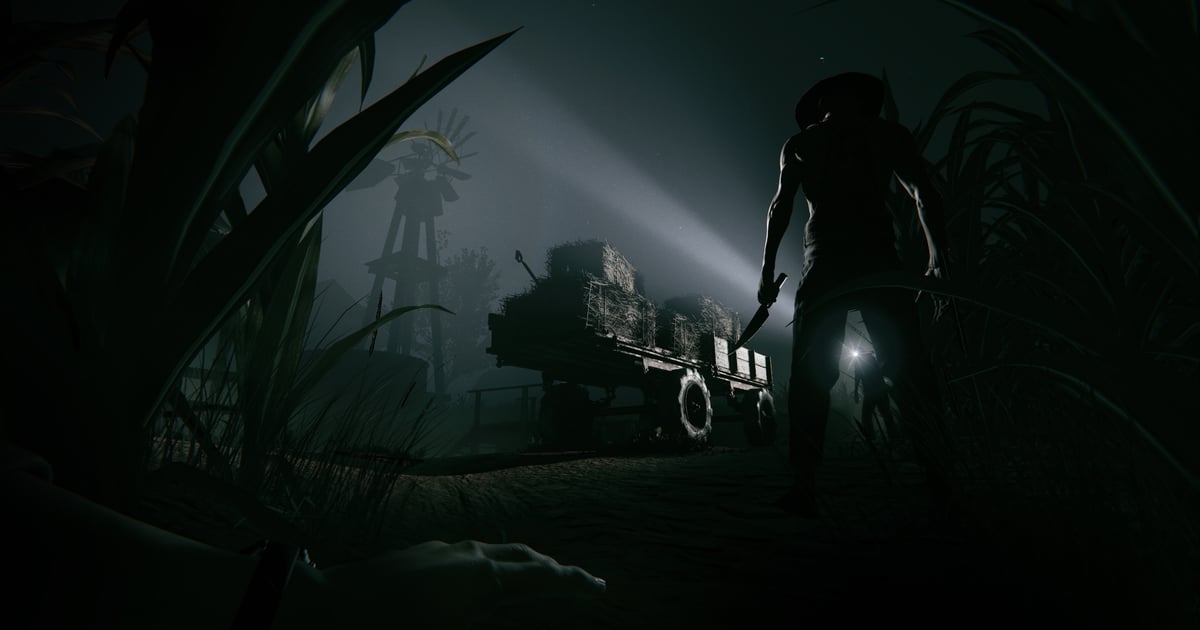
Next up we have another developer interview - this time focused on Uncharted 4, and its much-beloved car chase sequence. In this video, IGN speaks to Naughty Dog developers Kurt Margenau and Shaun Escayg to discuss how the chase sequence is rooted in character work. It also digs into some specific design challenges, such as how do you maintain a sense of momentum when the player has full control of the car? The answer: design an environment where the player is continually funnelled back on track, and have enemy trucks continually harry the player to create urgency. The video really gets into the nitty-gritty of level design, and it’s well worth a watch.
In some video games, the chase sequence is not necessarily a choreographed scene, but an organic experience that arises when the player encounters a roaming enemy. Such is the case in the Resident Evil 2 Remake, where wandering too freely can see you caught by Mr.X: a hulking monstrosity in a fedora hat. Terrifying. As Alex Donaldson writes for VG247, Capcom manages to make Mr.X feel like an intelligent threat without making him detrimental to the rest of the gameplay - thanks, in part, to the smart design of the Raccoon City Police Department building.
 Alex Donaldson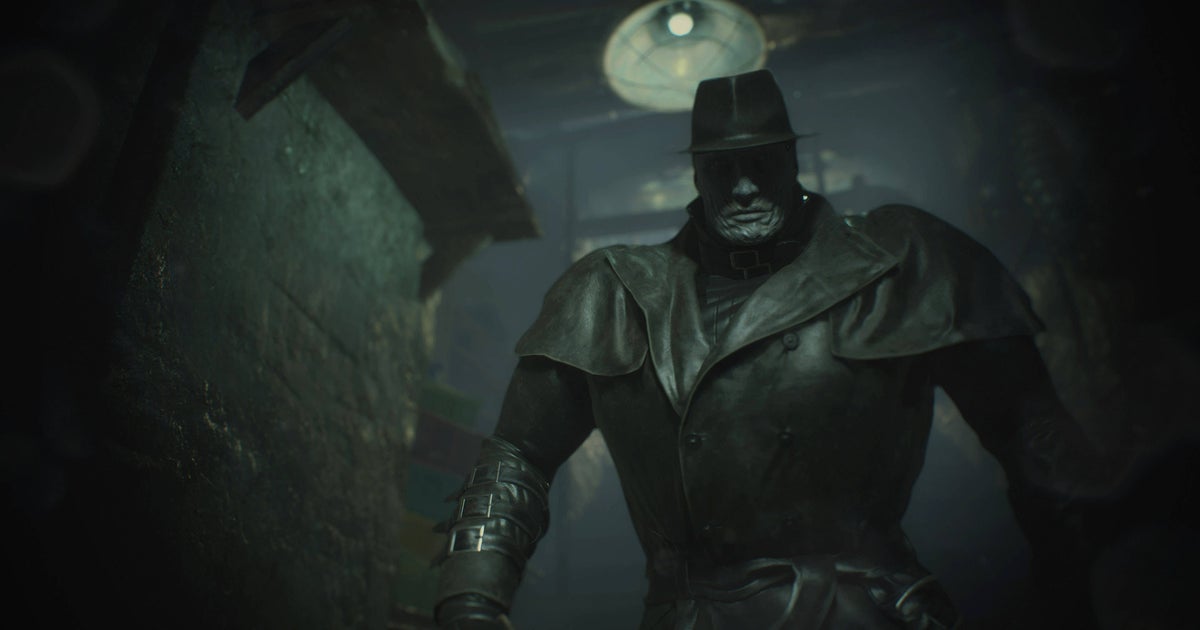
We also have one special mention for this month, as no discussion of chase sequences would be complete without a throwback to Heavy Rain. The game’s market chase scene has become infamous in recent years thanks to a YouTube video showing every single QTE fail in the chase - resulting in an absurd comedy of errors, complete with a laugh track. Should more games embrace slapstick comedy in their chase sequences, and perhaps allow the player to mess up to a considerable degree? We think so.
Community Comments of the Month
This month we asked our community if any video game chase sequences had stuck with them over the years - and in response, we heard about some truly unique experiences.
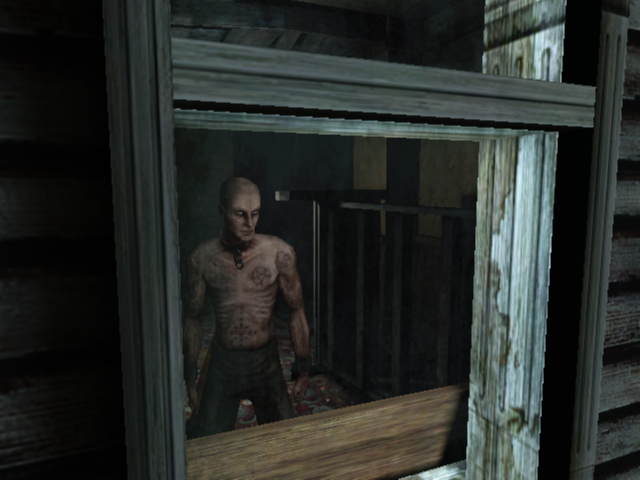
Continuing our horror game theme, Kegluneq recounted their experience playing Call of Cthulhu: Dark Corners of the Earth, identifying the Gilman Hotel escape sequence as a particular highlight. “The desperate bolting and unbolting of doors was lifted directly from the novella, which I read shortly before playing this, so it came with an astonishing sense of recognition during gameplay,” Kegluneq explains. “When the scene started I knew exactly what to do to progress, based on the character's experience in the story. It felt like living out the actual story, which is fairly unusual for a book adaptation. Most references in action games tend to be movie-based in origin. I'd love to know of other literary-sourced escape scenes in games that also have that feeling.” What an unusual way to experience a video game, Kegluneq - having that prior knowledge of the chase scene must have felt supernatural almost in itself!
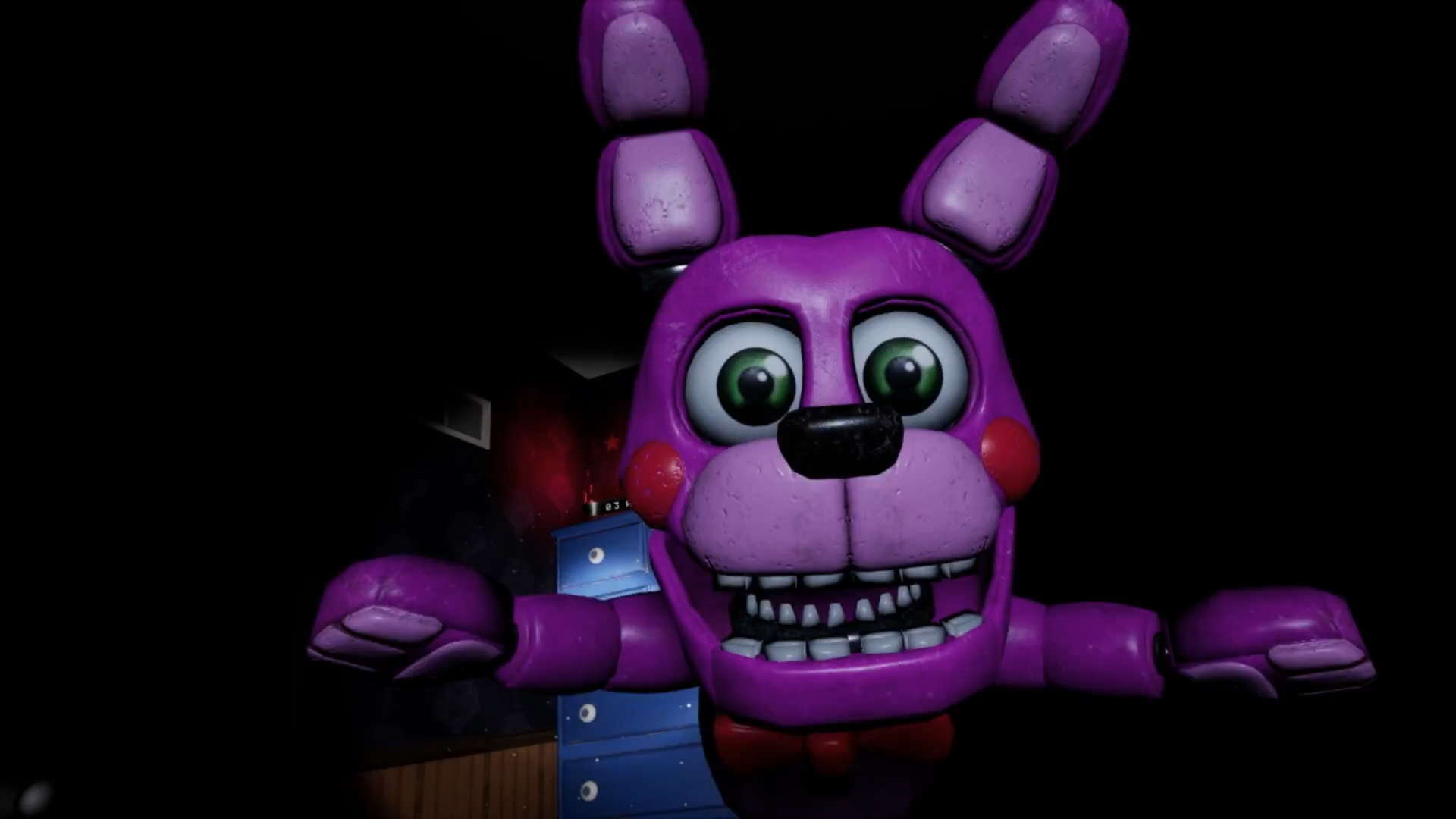
If a chase sequence is really freaking you out, one small mercy is that it’s normally possible to pause the game and stop looking at the screen if you need to calm down. Yet as Misan highlights, that is considerably harder if you’re playing in VR - and the screen is effectively locked to your head. “You can't stop the immersion anymore by stopping looking at the screen,” Misan says. “Now as a player you'll need to remove the VR set off your head in order to flee the game. It will take time and the game creators know it.” Misan argues that VR game Five Nights at Freddy’s: Help Wanted - where the player sits in a chair and is approached by monsters - should be considered a chase sequence, even though the player is technically immobile. “Chase sequences are not about being the best walking or running simulators, the core idea is about the tension of something coming for you,” Misan argues. “So let's ditch the walking part, we're gonna stick you on a tiny chair knowing monsters are moving toward you, and that will make you so much more miserable.” We can’t argue with that, Misan - it sounds like a truly horrifying experience, in the best way possible.
Thank you very much to our community members for their comments - we love seeing you all engaging with the theme and thoughtfully analysing video games in this manner.
With that, our roundup email for this month is concluded, and so is Volume 1 of Eteo Archetypes. We hope you’ve enjoyed all the articles we’ve published over the last six months! We will be taking a short break for a while, but there’s no need to fret - we have more exciting things planned in the near future. In the meantime, enjoy the summer weather, and we’ll see you again soon!