Minigames
The Monthly Roundup: Minigames
I always find it an interesting conundrum designing minigames - deciding what activities warrant such treatment vs. a cutscene or a core gameplay system. For example, you could design a fishing minigame, much like we did in Sable, that is discreet and has its own self-contained systems and logic - or you could have a fishing system where the player simply catches fish by getting close to them in the environment. These micro experiences are such a hard balance to get right: they can add variety and intrigue at their best, frustrate and alienate players at their worst or even completely derail an experience, whether good or bad. These can even be spun out into their own, extremely compelling experiences like the fantastic Geometry Wars - originally found as a minigame within Project Gotham Racing 2 and released on Xbox Live Arcade, where it would become one of the service's most downloaded games and eventually gain two sequels.
One thing that is often challenging when designing these systems is teaching the player. Tutorialisation in games is always difficult, but at least there is an expectation that the player will spend time learning the game when they start playing. It’s very hard to ask a player to get back in that early learning mindset for an entirely new experience that they probably haven’t really signed up for - say a board game within the world. However, like in Final Fantasy X’s Blitzball or in one of Yakuza’s shop management games, these experiences can really build out a space and make a place feel alive while serving to humanise various characters or communities within a world.
While the fishing game in Sable was added post-launch, it was something we always planned to add to the game. The game itself served one purpose: a way of getting the player to engage with this alien landscape in an unusual and unexpected way. The fish allowed us to fill the world with an ecology of creatures that expanded the scope of the world itself, while also giving us a system that moved the player across the landscape. I really enjoy minigames that get recontextualised by different locations in the world. Fishing in a sand dune or a volcanic sulphur pit feel like two quite different things, and result in two quite different species of fish.
-Greg

Minigames: Her Story, Final Fantasy VII Rebirth and The Cosmic Wheel Sisterhood
Minigames sometimes function as trivial amusements that continually distract the protagonist from completing their task of stopping a world-ending catastrophe - but as our writers for this month argue, they can also provide some far more interesting effects beyond this.
In her article on Her Story, Florence Smith Nicholls introduces the concept of Skeuomorphs: “the practice of imitating the design of an object made in a different material to evoke its function or associations, such as the save icon resembling a floppy disc”. Applying this to the minigame ‘Mirror Game’, Smith Nicholls finds that Mirror Game echoes many of the motifs found in Her Story’s wider narrative - such as mirrors, doubling and the uncanny.
 Florence Smith Nicholls
The Final Fantasy series is renowned for its liberal use of minigames, and Final Fantasy VII Rebirth is no exception. As Malindy Hetfeld explores in her article, Rebirth’s minigames are indeed frivolous diversions, yet they are simultaneously connected to the main story and help progress the plot. Rebirth’s minigames help the player truly connect with the world Cloud is trying to save, providing a lighthearted break from the more serious combat focus of the rest of the game. Yet does this generous smorgasbord of minigames come at a cost?
Malindy Hetfeld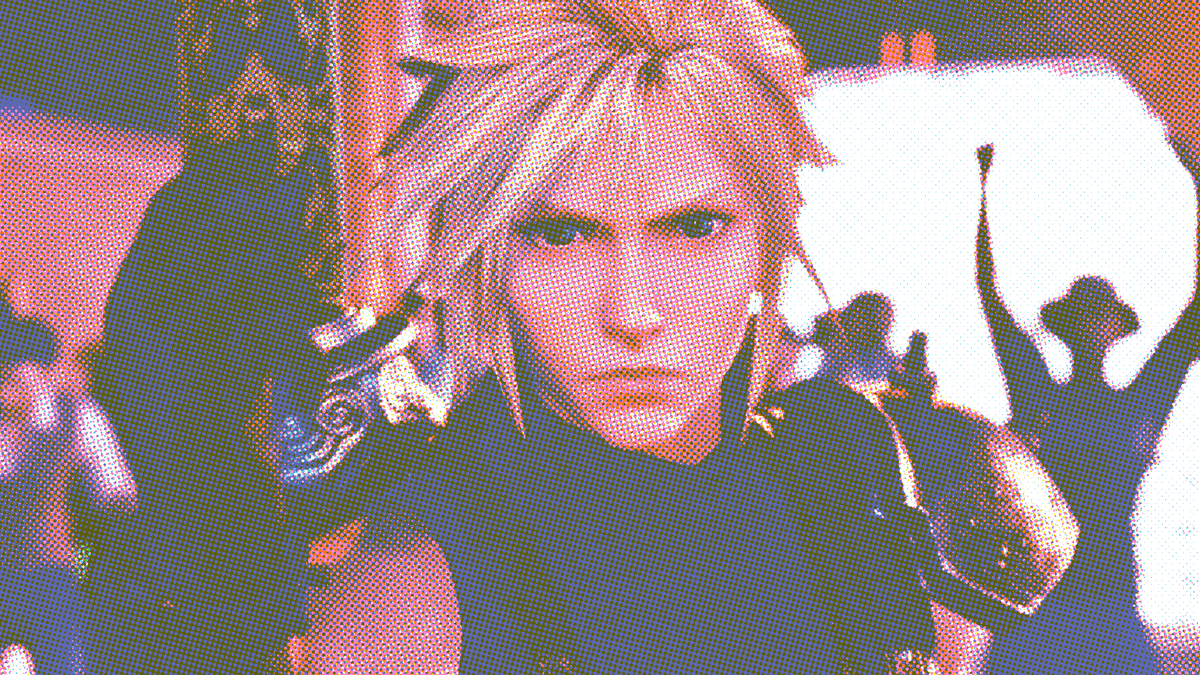
And how does a divination minigame compare to the real deal? Zack Wood brings his own experience of performing real-life card readings to analyse the version presented in The Cosmic Wheel Sisterhood. Wood praises the creativity of the card system - which includes an in-game editor that allows you to design your very own cards - along with the system’s flexibility, which frequently breaks from traditional Tarot in order to create an approachable and imaginative card-reading experience.
Zack Wood
Recommended Reading: Gwent, fishing and lockpicking
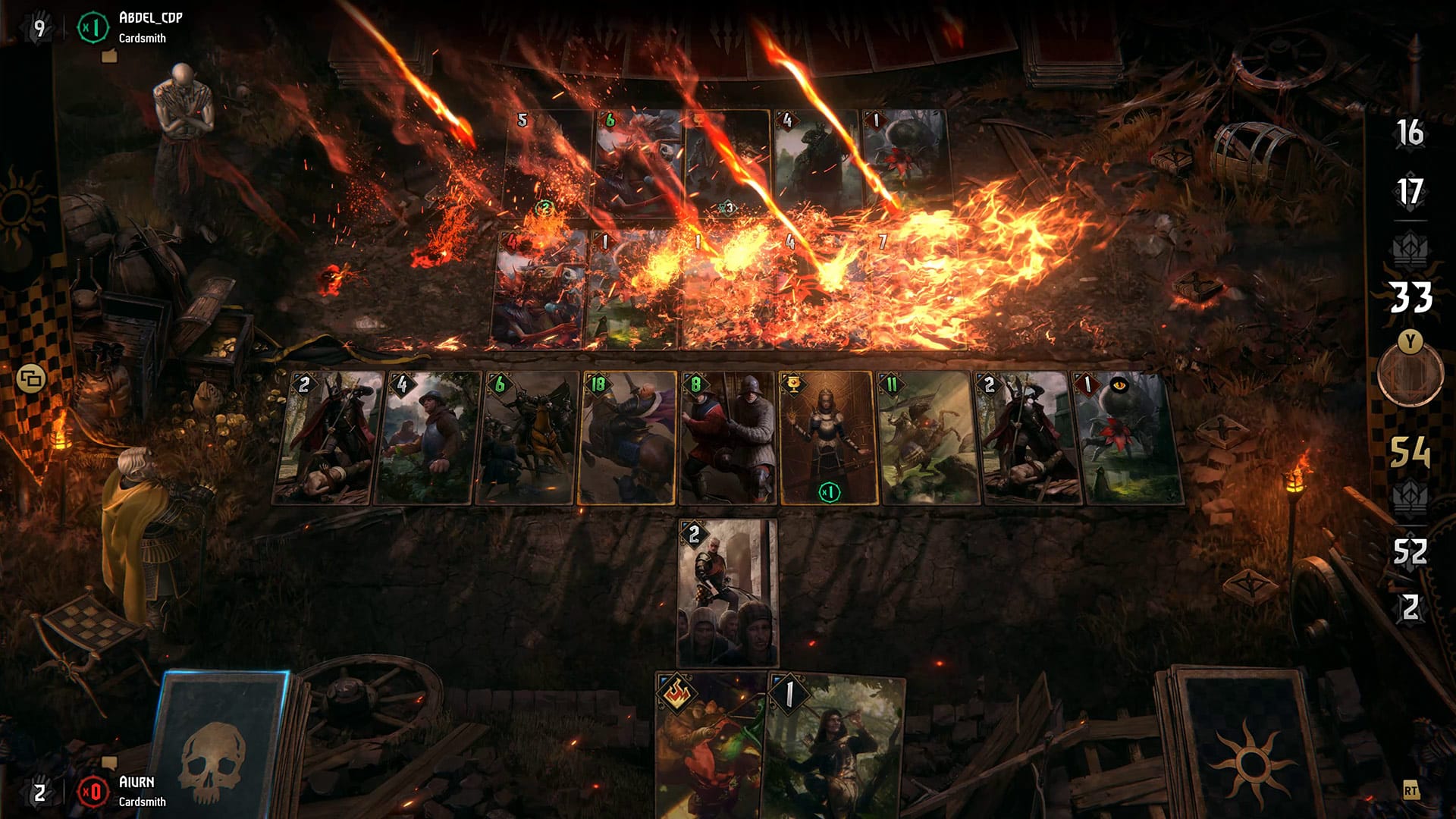
Arguably the most famous minigame of all time is Gwent: the card game first introduced in The Witcher 3 which became a standalone video game of its own in 2018, and was eventually turned into a full physical card deck in 2025. But did you know that Gwent very nearly didn’t happen at all? For IGN, Ryan Dinsdale traces the history of Gwent’s original development - including its various trials and tribulations - and how the minigame was transformed into a standalone version.
It’s a commonly-heard joke nowadays that almost every modern video game has some version of fishing, no matter how strange or nonsensical the setting may be. Even Warframe - a game about sci-fi exoskeletons and blasting through waves of aliens - allows you to whip out a fishing rod and try your luck in a nearby pond. So why are these fishing minigames seemingly everywhere? YouTube essayist Adam Millard asks this question, finding that fishing minigames provide a welcome breather from main story quests, giving players an excuse to slow down and absorb the details of the world around them.
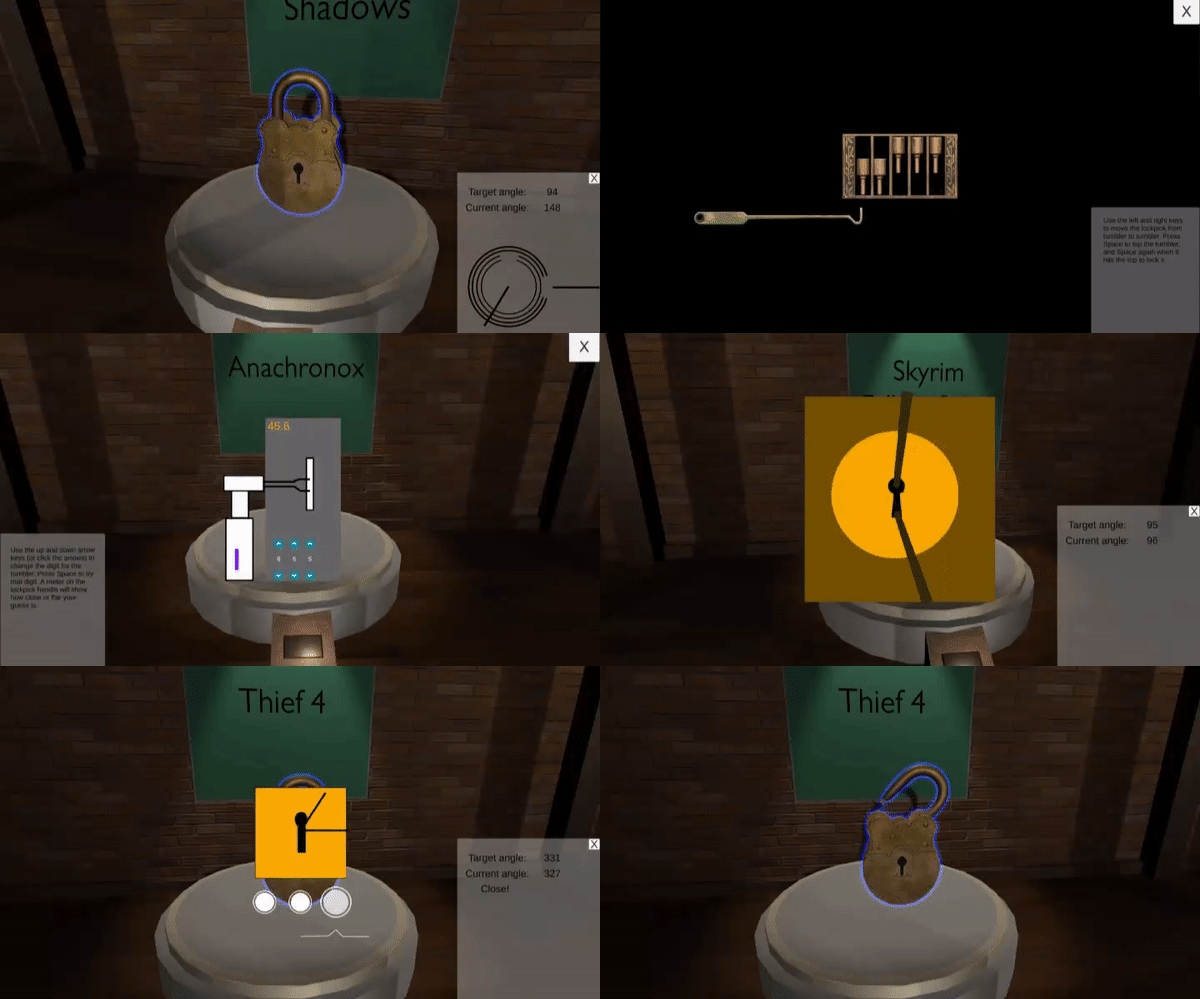
Our final recommendation for this month is not an article, nor video, but an interactive museum of lockpicking in video games. How cool is that? Museum of Mechanics: Lockpicking, made by Dim Bulb Games, showcases a range of different lockpicking minigames across various video game titles. It’s a useful resource for game developers seeking to explore lockpicking mechanics to develop their own iterations, and simply a fascinating way to compare different approaches side-by-side. A version is available on Steam for £8.50, or you can donate what you like when downloading the Itch version.
That’s the roundup complete for this month! Next week we’ll begin publishing the last theme for this volume of Archetypes - but what could the subject matter be? Prepare yourselves for a thrilling surprise. And don’t forget to join the Eteo Games Discord to keep up-to-date on the latest articles and announcements from Eteo.