Minigames
The Narrative Design Implications of Final Fantasy VII Rebirth’s Many Diversions
To many players, minigames have become synonymous with Japanese roleplaying games. They have evolved from diversions to whole experiences of their own – think of games such as the cabaret club or the business simulator in the Like A Dragon games. Yet for the most part, it’s clear that these minigames are separate from the main experience: meant as nice diversions for the player, but nothing more than that.
Unlike most of its contemporaries, the original Final Fantasy VII doesn’t just use minigames as diversions. Instead, the minigames let players take part in non-combat activities that progress the story, such as helping Aerith climb the Sector 5 church or escaping Midgar on a motorcycle. In this way, minigames in FFVII act as gameplay diversions that are nevertheless part of its story.
Final Fantasy VII Rebirth leans even further into this concept, by offering a true barrage of side activities that are both part of the plot and, crucially, less of a mindless diversion: they act as a way to interact with more of its world. This is in part possible because Rebirth, unlike the original, makes it clear from the outset that you essentially don’t know where you’re going. Cloud simply follows a group of robed individuals around, hoping to catch Sephiroth through them, going on a long road trip as a result. Things never seem too urgent for a minigame, somehow. It does make the game feel somewhat slow in parts, but the measured pace is the point – Cloud is supposed to immerse himself in the world you're saving.
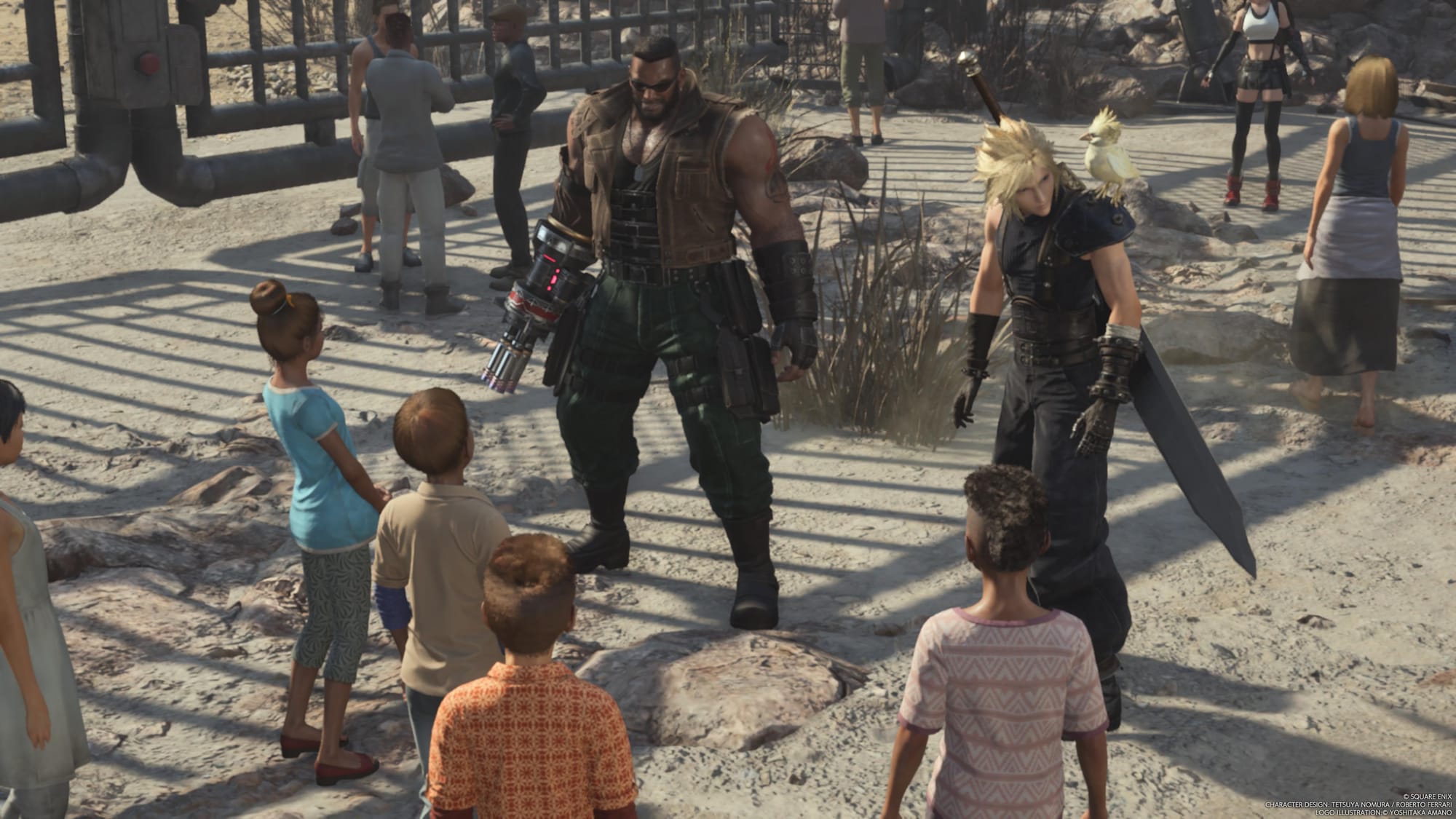
Minigames in Rebirth are not just games, but always part of a side quest. They offer information that, while not essential, helps you to understand the bigger picture and makes the world feel more lived in. For example, after staying with him, you can help Johnny ‒ a character from Remake ‒ with his new hotel venture in Costa del Sol. You catch someone’s escaped chickens in Gongaga in exchange for dinner, or help the gym rats from Midgar at a new location. It’s fascinating that these quests have real, albeit simple reasons for existing as part of the fabric of the in-game world: Cloud needs to eat, sleep and travel, and all of these things cost money. You regularly see people appeal to this taciturn soldier by telling him they’re going to make it worth his while, an amount of narrative effort I only remember The Witcher 3 going to, at least to this degree.