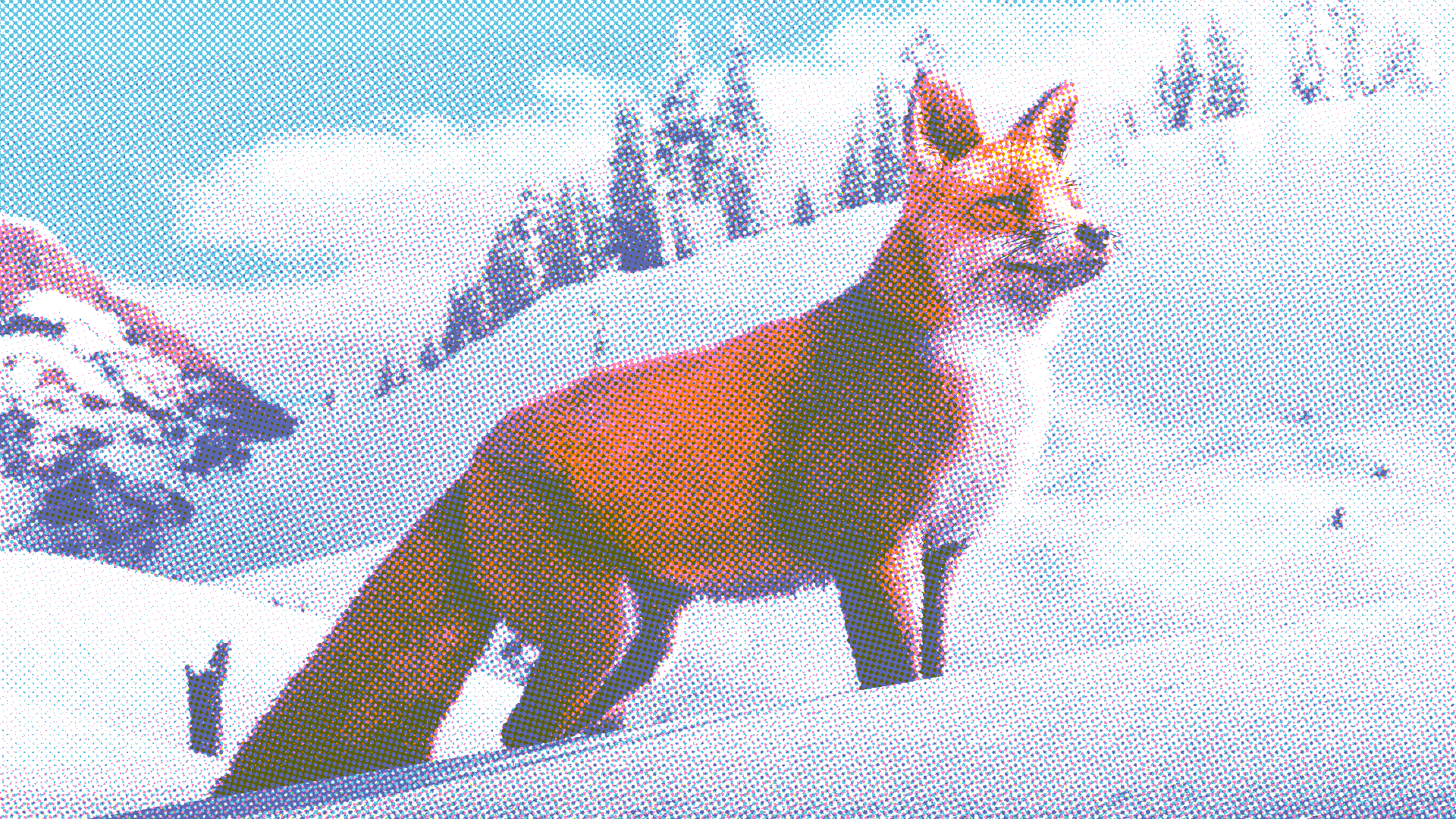
Seasons
The Monthly Roundup: Seasons
Hi everyone!
Time in game design is a potentially powerful tool, but one also fraught with dangers. The tension of providing some kind of urgency to a player whilst allowing them to explore a space or an idea at their own pace can be difficult to balance, and making a game with time-based events can be quite tricky to track, map out and produce. You are essentially adding an entirely extra dimension to a medium that is already complicated significantly by the presence of player input. Oftentimes this leads developers to use time as an aesthetic - time passes in the world with minimal impact on the gameplay experience.
The games explored in the Seasons Archetype explore time across longer periods, but we also have three different approaches to the progression of both seasons and time, from very literal to more abstracted. Persona takes the most abstracted approach, breaking time up into discrete chunks, with players fully controlling when to progress each time slot in a day at their own pace. Then you have Harvest Moon, a game in which time is continuously progressing at an accelerated schedule of around 10-15 minutes per day. And then you have the one-to-one literalism of Animal Crossing.
The approaches our writers have explored here interest me because they all seem to engage with how we relate to seasons in games on an almost existential level, in a way that ties into a very human relationship with both the game world and the real world, and make me reflect on the cultural and emotional implications of each season and the often melancholic and nostalgic feelings they can evoke.
Anyway, I hope you’re enjoying whatever season it is where you are. I am missing the sun - it’s predictably cloudy and grey in London at the moment.
-Greg
Seasons: Harvest Moon, Persona 4 and Animal Crossing
If you missed any of our articles this month, here’s our recap to help you catch up.
Our first article was Holly Nielsen’s analysis of the Harvest Moon games, in which she noted that recent games had smoothed over some of the friction provided by winter and death. Without death, Nielsen argues, farming sims can end up feeling stagnant - and ironically, rather lifeless.
 Holly Nielsen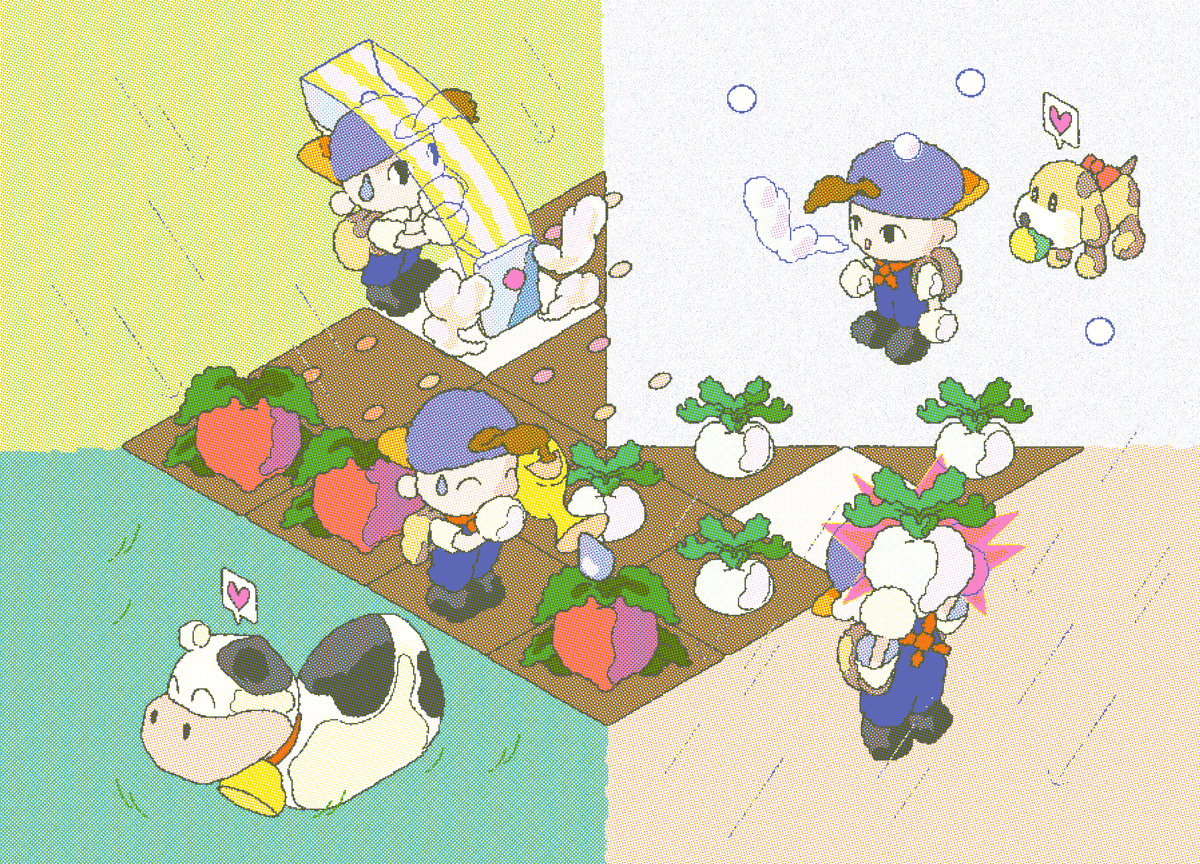
Writing on Persona 4, Emily Price explored the game’s vacation town of Inaba, examining how the town slowly reveals itself to you as the months roll on. With ever-shifting schedules and hidden seasonal rhythms, things can change rather rapidly within the town without clear warning. As such, Inaba encourages you to “take your time, really grab it, and spend it as you wish”.
 Emily Price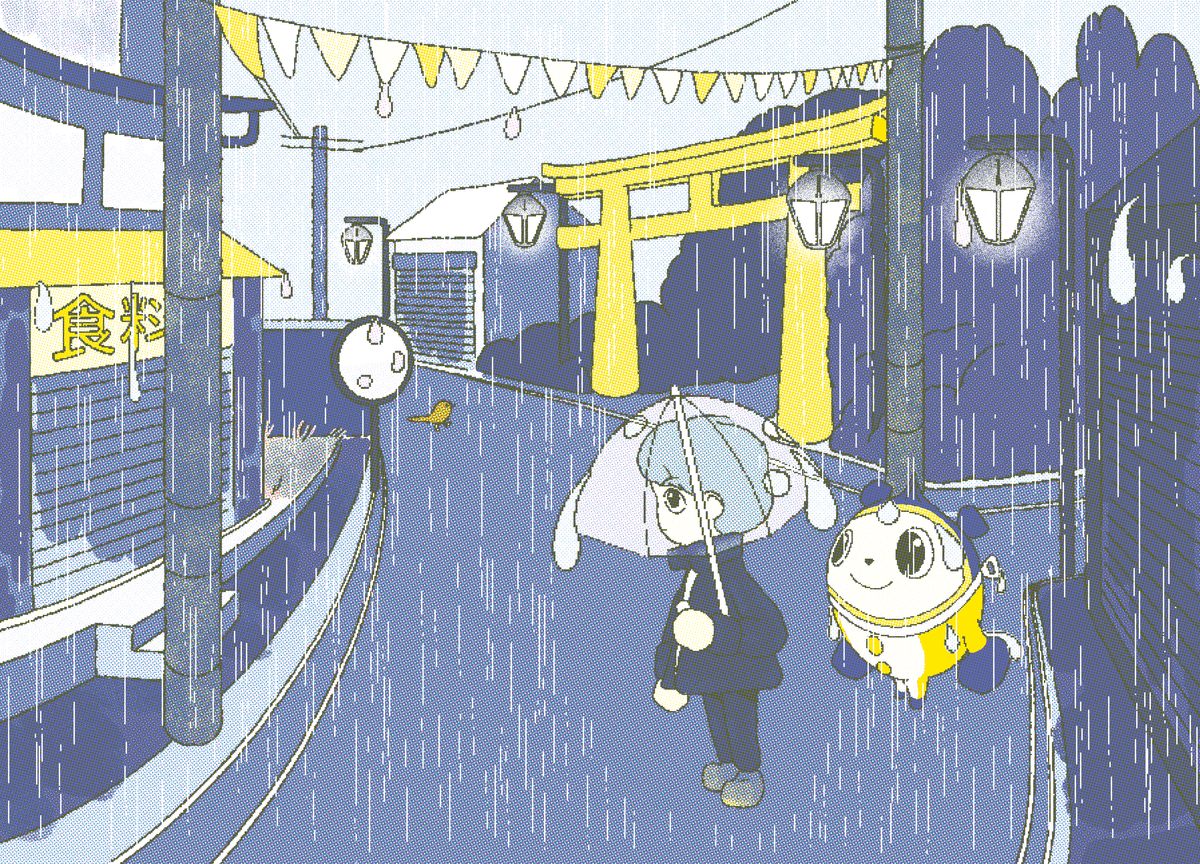
Finally, Jay Castello looked at how seasons are made meaningful in the Animal Crossing series, praising how the games refrain from giving you ‘everything at once’. With certain items and events restricted to specific seasons, players have often been tempted to ‘time-skip’ ahead to their desired season. Yet you should think twice about doing this, Castello argues, as it means missing out on the “small things that make up the crucial rhythms of everyday life, that add up to the making of a year.”
 Jay Castello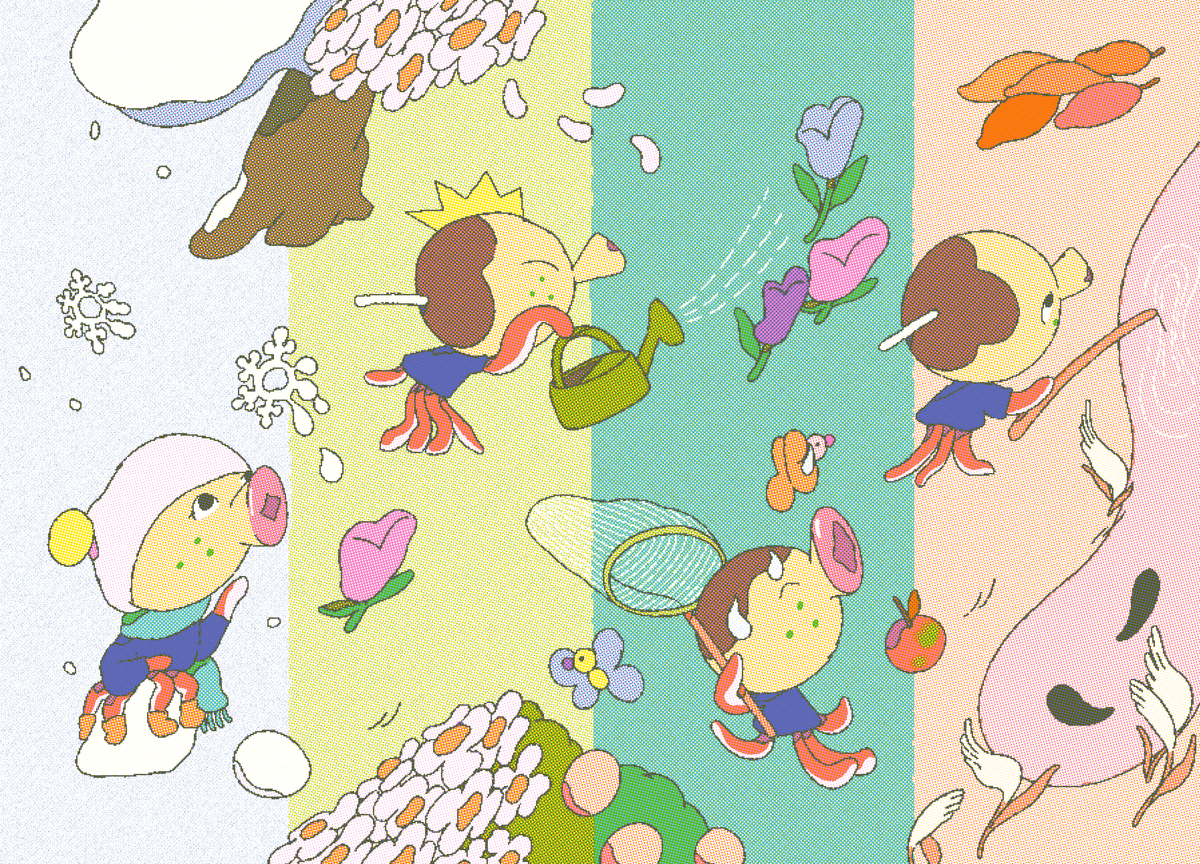
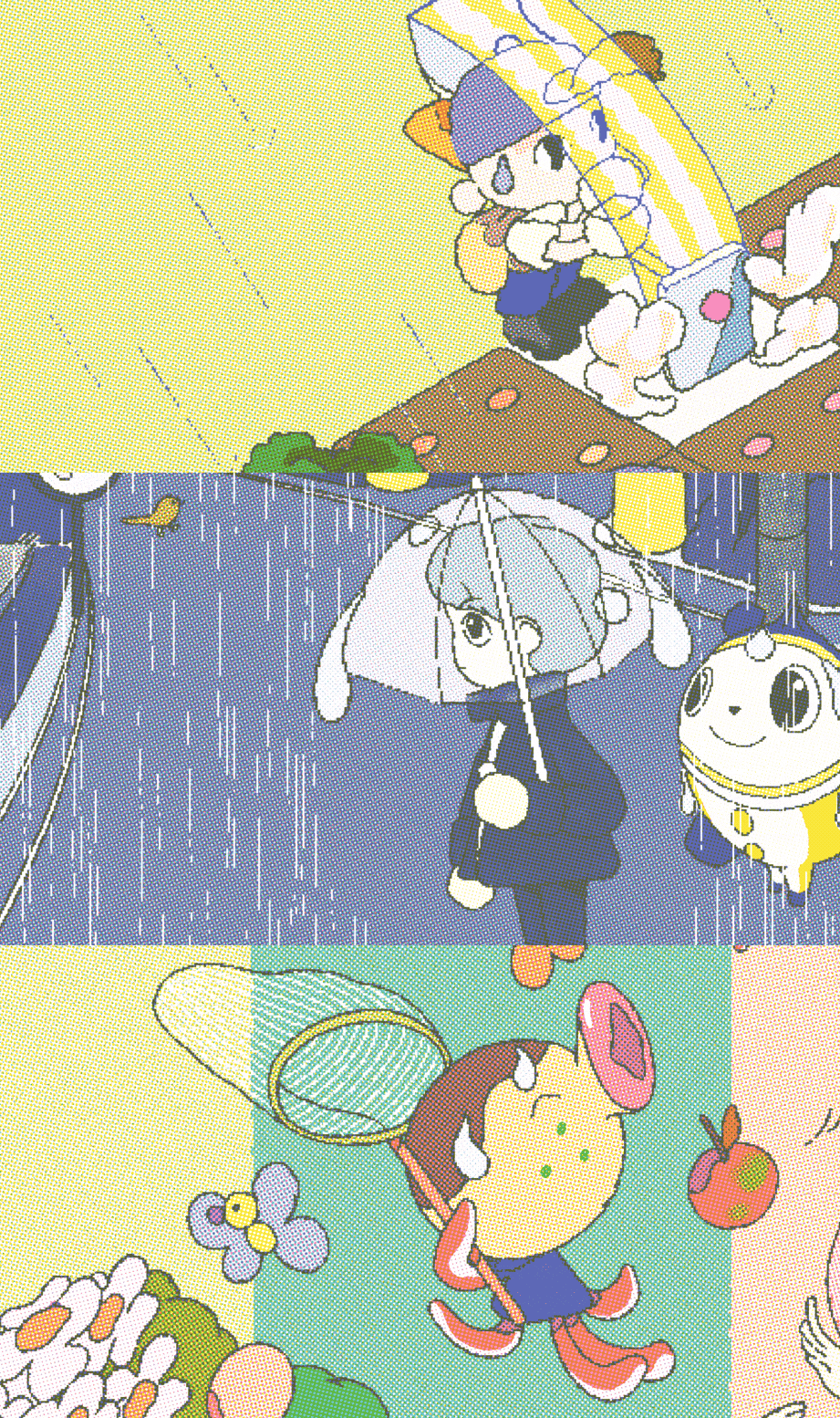
Did we mention that all three pieces this month were accompanied by fantastic custom artwork? Many thanks to Hel Covell for her brilliant header illustrations - you can check out her full portfolio of work here.
Recommended Reading: The Vanishing of Ethan Carter, Red Dead Redemption 2, and Proteus
It’s time for our recommendations section! We rustled around for some of the best writing on seasons in video games, and found some true gems.
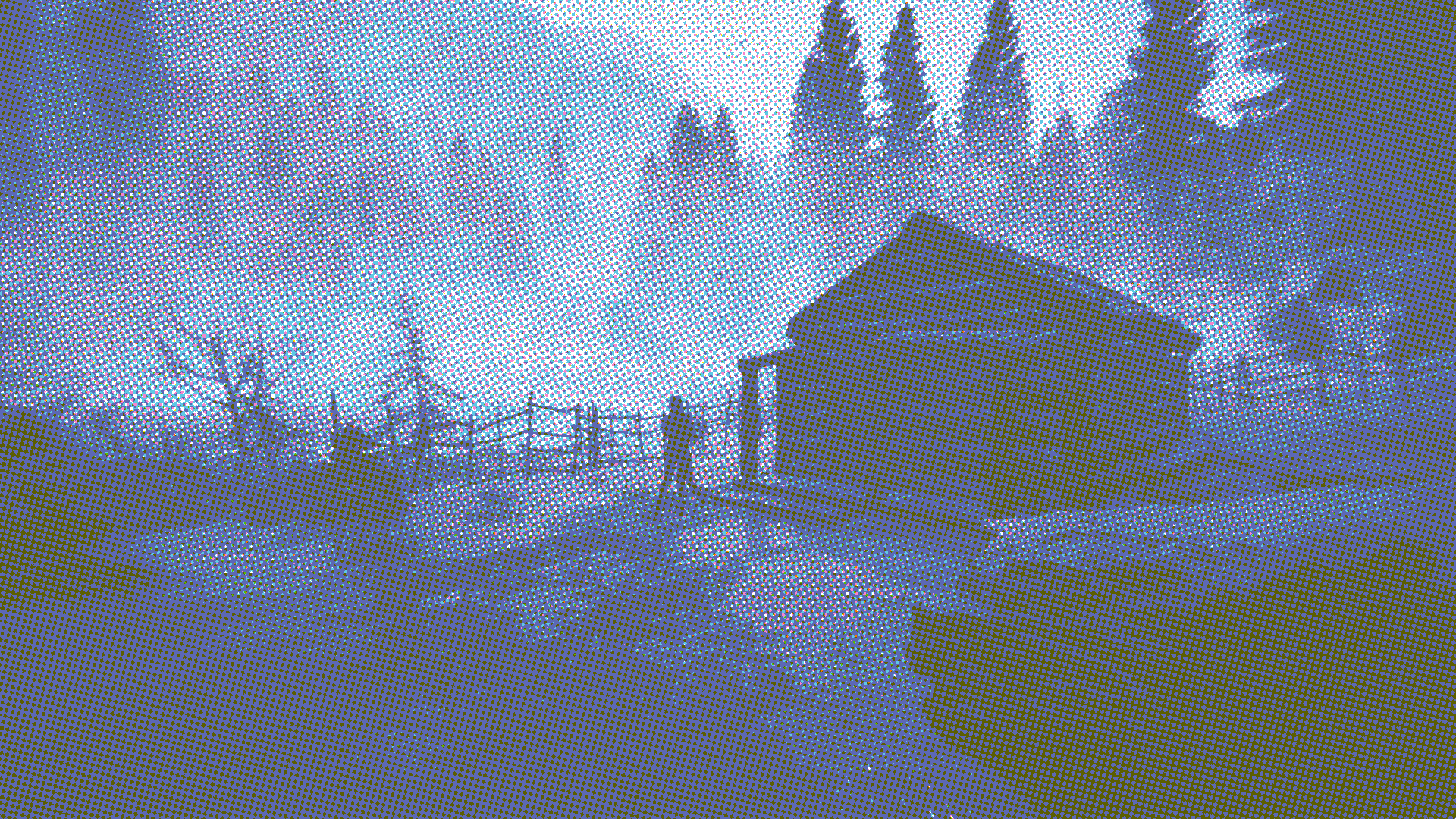
As part of an excellent series of articles for Eurogamer on the seasons, Rob Dwiar delved into video games that use autumn as a narrative device. One of his picks is horror-mystery game The Vanishing of Ethan Carter, where autumn is used to represent a period of transition - its effect on the landscape bringing forth ideas of “mystery, hiding, change and the obscurities of memory and imagination”. In combination with the ruins found in the game’s environment, autumn is used to build an atmosphere where, as player-character Paul puts it, “under all that rots, dark things grow”.
 Rob Dwiar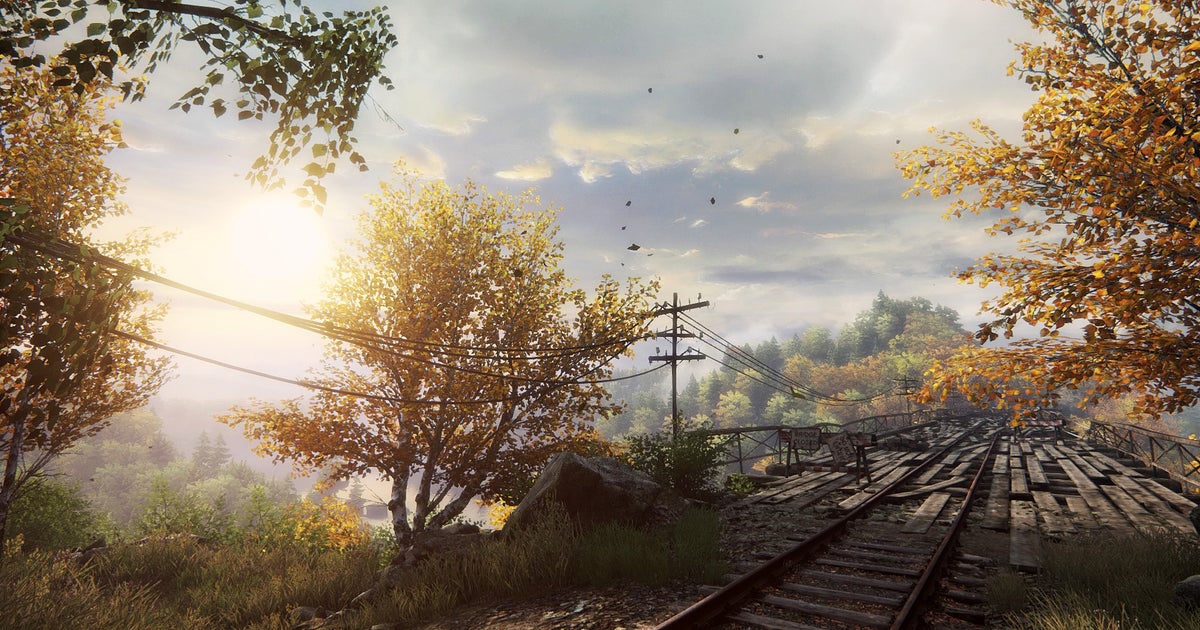
A game in which the seasons are built into the very landscape is Red Dead Redemption 2: some corners of its map plunge you into deep snow drifts, while other areas transport you to the haze of high summer or the hopeful days of early spring. The starting region - which sees you trudge through piles of snow - has been much-maligned by the gaming community for creating a rather slow-paced opening. But as Stacey Henley argues for The Gamer, the snow perfectly encapsulates the gang’s predicament at this time: a bunch of cowboys in the cold, out of place, with Arthur Morgan beginning to question his role within the group. Beyond the prologue, RDR2’s winter landscapes also serve as a nice retreat from the chaos of the rest of the game - a place where outsiders can find peace and solitude.
 Stacey Henley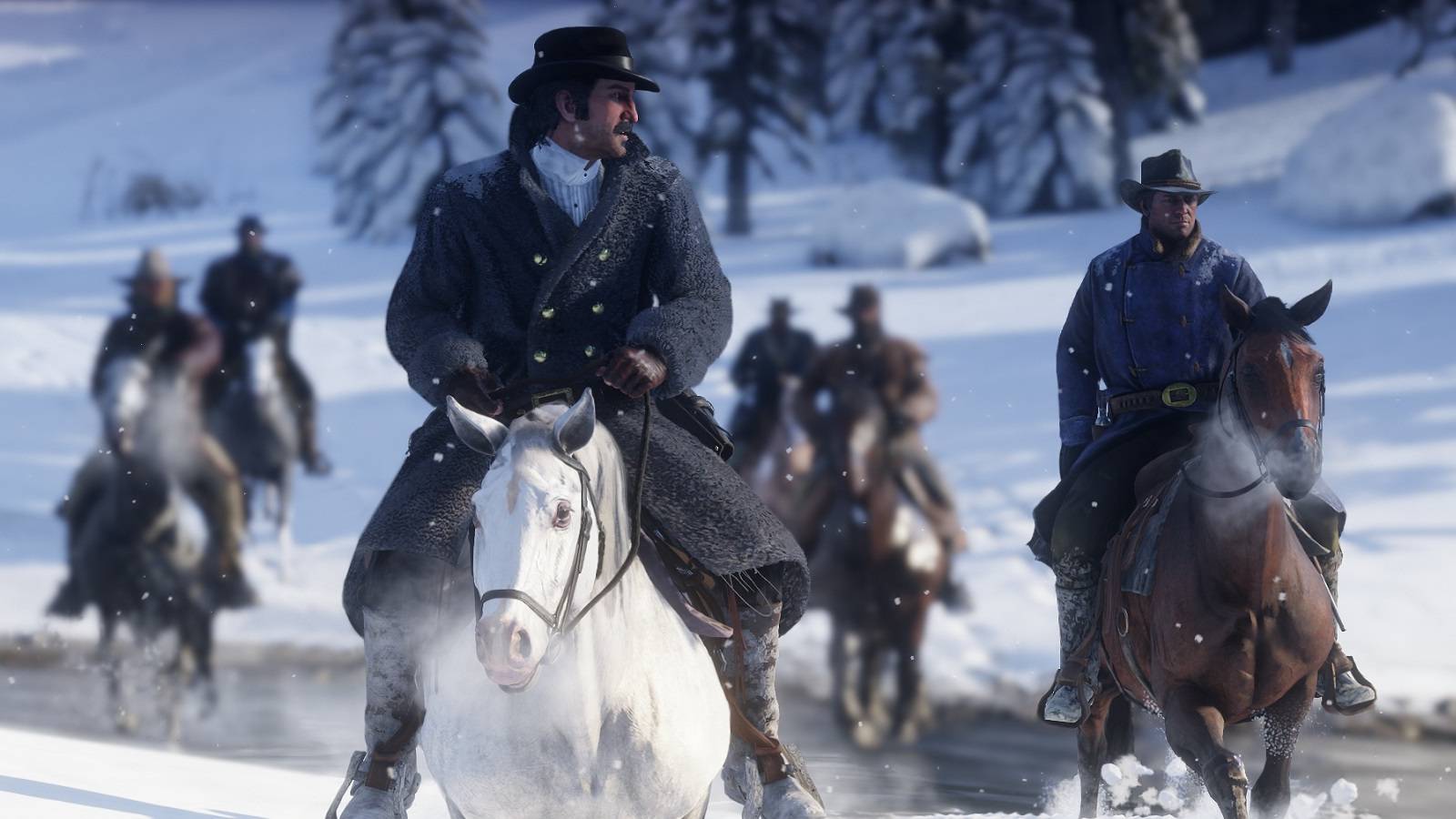
The seasons are a useful tool for indicating the passage of time, of course, and prove particularly impactful in minimalist adventure game Proteus. As part of a series focused on the ‘hodology’ of games (the study of pathways), Ian Bryce Jones notes that the game is given a narrative arc through the progression of seasons, with each season bringing different fauna and musical cues for the player to experiment with. As Bryce Jones writes: “These things aren’t goals. They aren’t rewards. They are simply secrets, meant to offer small moments of discovery and mystery for players patient enough to exhaustively navigate this island, charting paths between its environmental features and walking those paths repeatedly, going on sightseeing tours in spring, summer, autumn, and winter.”
 Ian Bryce Jones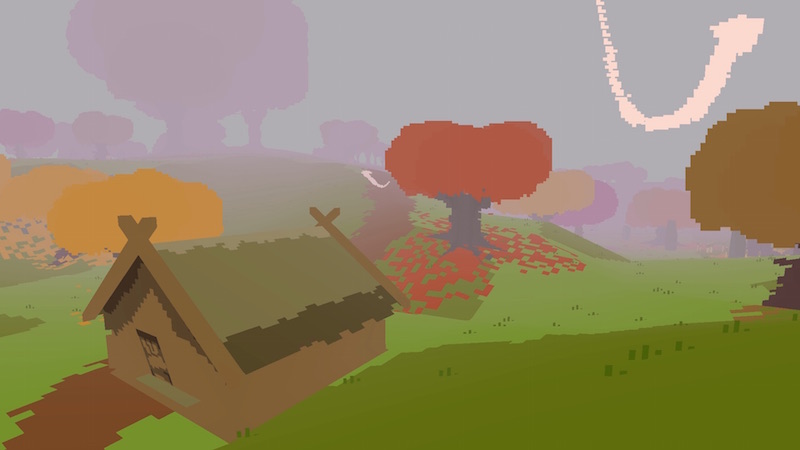
Community Comments of the Month
It was another fantastic month for community comments, and with plenty of great video game analysis taking place in the Eteo Discord, we once again had a tricky time picking our favourite submissions.
The survival game genre is a place where the seasons have a significant impact on gameplay, affecting your ability to gather resources, and throwing you additional challenges in the form of adverse weather conditions. Such was the case for Chigoes, who recalled an ‘educational’ experience they had playing Sons of the Forest. “I made my base surrounded by water and didn't focus on any defense, because the monsters cannot swim,” Chigoes explains in their comment. “But the weather changed. The water froze over, leaving my base exposed. I spent the entire winter living like a snake. Hidden in a small cave until spring I spent the next in-game year fabricating Fort Knox to ensure comfort and survival for the next winter.” That was a tough lesson to learn, Chigoes, but certainly a memorable gameplay experience!
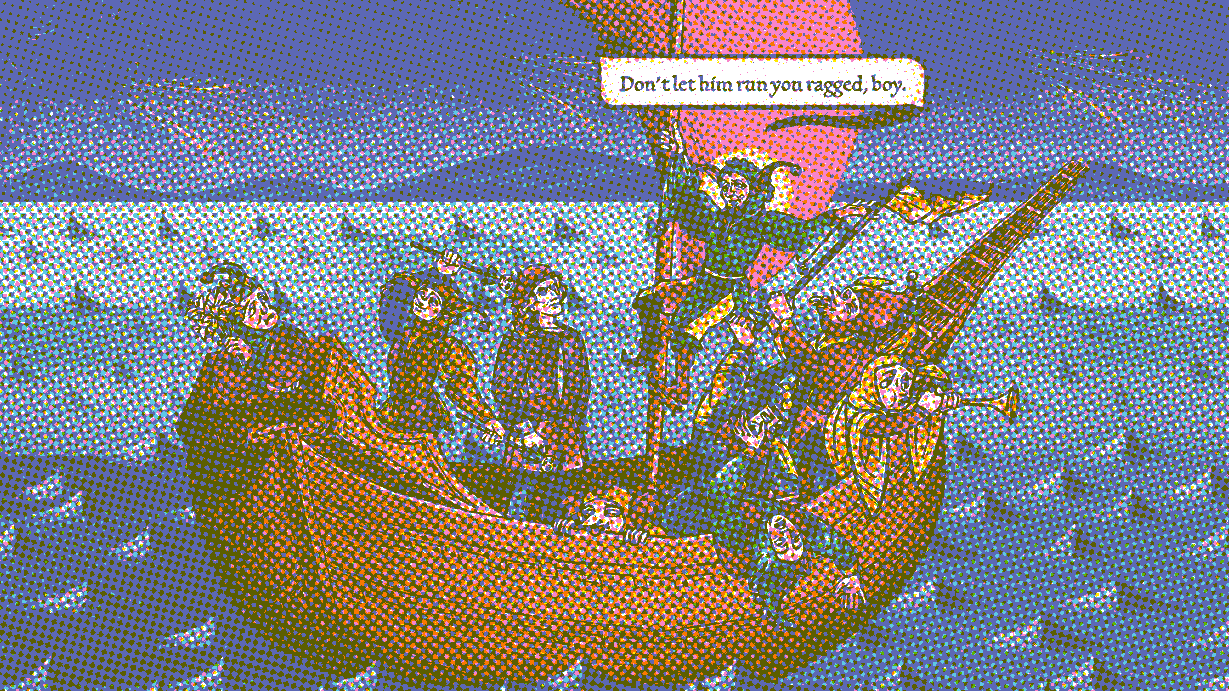
It’s easy to forget how modern life has enabled us to bypass the cruelest elements of the seasons - but it’s sometimes good to have a reminder. As Spike T recounts, Obsidian’s Pentiment uses the changing of seasons to explore the difficult realities of existence in 16th century Bavaria. “Throughout the course of the game one can witness the characters take part in different agricultural and religious practices that not only signify the truth of their circumstances but get to the heart of how they find meaning,” Spike T says. “I found it to be an extremely evocative work.” Indeed, given the difficulties of getting through a winter in those times, perhaps it’s not surprising that so many looked to religious and spiritual guidance to make it through those dark days.
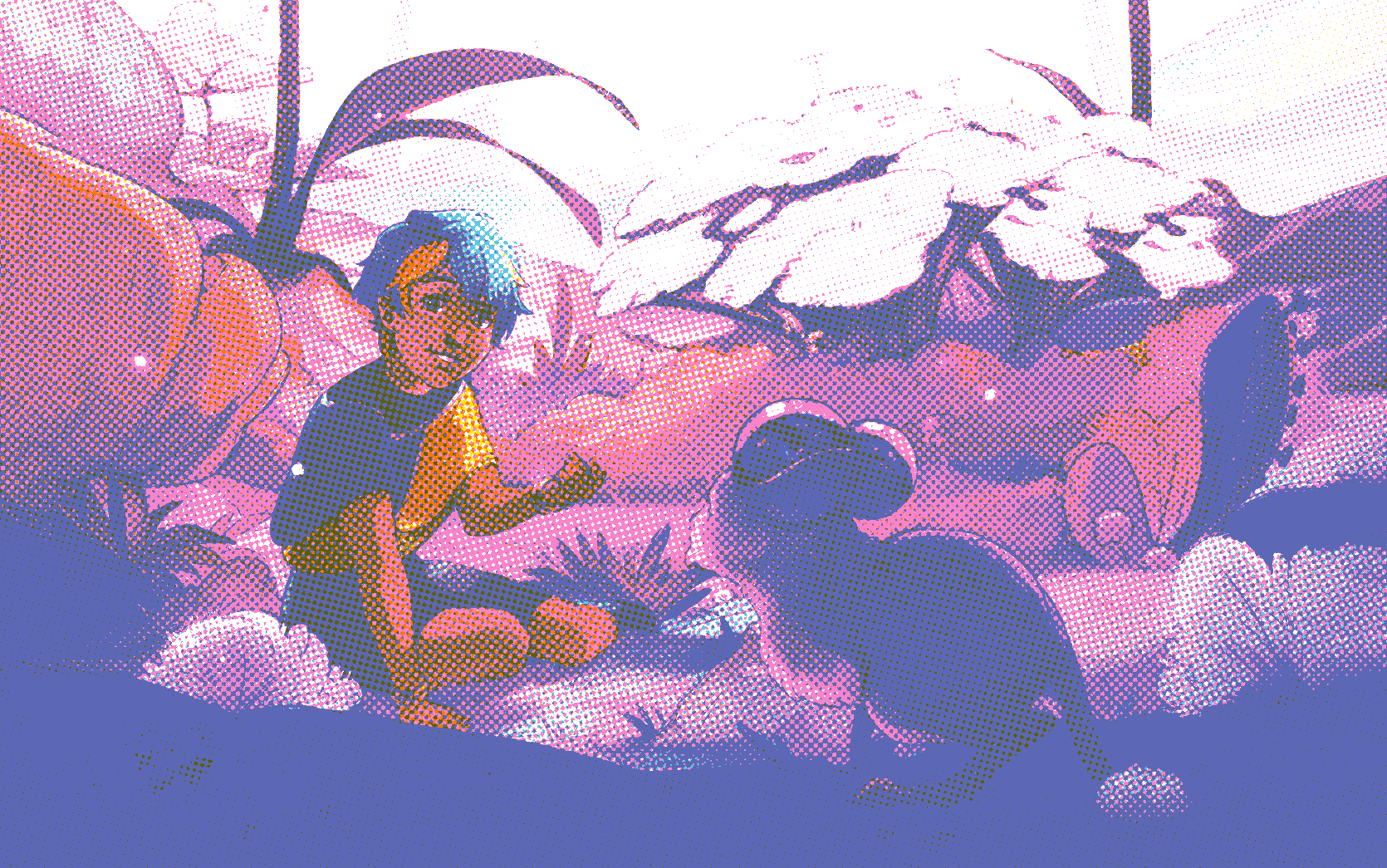
But must the seasons always reflect those we experience on Earth? As Peter highlighted in their recommendation, I Was a Teenage Exocolonist takes a different approach by inventing entirely new, alien seasons, “none of them wholly based on spring-summer-autumn-winter”. One season called Glow, for instance, sees the world become abuzz with phosphorescence and alien activity, while another called Quiet sees everything hibernate underground. “There are more than four [seasons], they're all very distinctive, and help set both the environmental and narrative tone in a way most games that attempt seasons can't match.” A wonderfully weird interpretation of the seasons - thanks for the recommendation, Peter!
A big thank-you to everyone who submitted their comments this month: Archetypes is all about thoughtful reflection on video games, and it’s been wonderful to see so many people engaging with games criticism in such a considered manner.
If you want to take part in next month’s discussion, make sure you’ve joined our Discord, where we will announce Archetypes’ next theme very shortly.
That’s all for now - we hope your winter proves to be cosy rather than dreary! Make yourself a hot chocolate, take yourself to a cosy pub, or embrace the cold weather with a winter walk: do whatever it takes to find the joy in the season. Until next time!