Radios
The Monthly Roundup: Radios
One of my favourite online tools is radio.garden. You can grab your globe-shaped wheel and take an imaginary road trip through the audioscapes of different countries. For me, it is an incredible illustration of the power of audio, and the capacity for world building that it has: I am instantly taken to another place, the nuances of their local advertisements telling me in a language I don’t speak about a radio show, launderette or music venue I’ll never experience. Radio is world building, it is transportational and it’s connective.
Radio is a powerful platform and tool of cultural expression, be it through music or talk - it’s a relatively lo-fi but impactful way that an individual can reach theoretically limitless amounts of people. Through this medium, not only have careers of musicians been launched, but as a tool of interpersonal communication Radio has also been used in a multitude of ways, enabling wartime communication, rebellion and everything in between.
I grew up across the North Circular from a radio station called LGR, short for London Greek Radio. As the name implies, it’s a radio station for the Greek speaking diaspora of London. I wouldn’t say I listened to it regularly growing up but there is something reassuring about tuning in occasionally and hearing familiar sounds, voices and feeling the presence of a community that I am connected to.
Radio is also physical. Whilst Radio exists on an invisible plane we can’t perceive or intercept ourselves, we require devices to both broadcast and pick it up. There are physical limits on the range of broadcast, the strength of signal and it’s very much a medium that has an interplay with the physical reality of our world. Beyond this, there are juridical restrictions, licensing requirements and those that exist in the grey areas in between - broadcasting day and night on pirate radio or over airways illegally, creating fantastic subcultures within them. It manifests all of this literally from thin air.
All these different vectors make it a ripe ground for exploration in game design. All three games explored this month create worlds using the power of the medium of Radio to great effect. I found all three pieces inspiring to read and if you haven't yet, I strongly suggest you make yourself a cup of tea and dig into them.
-Greg
Radios: GTA V, Fallout and Jet Set Radio Future
Our first piece this month was a personal essay by Boen Wang, on a game that springs to mind for many when it comes to in-game radios: GTA V. It’s a true trip down memory lane, as Wang details his nostalgia for listening to FlyLo FM radio while in college. GTA V mirrors the American obsession with cars, yet Wang also argues that the game presents a fantastical version of US infrastructure that doesn’t necessarily match up with reality.
 Boen Wang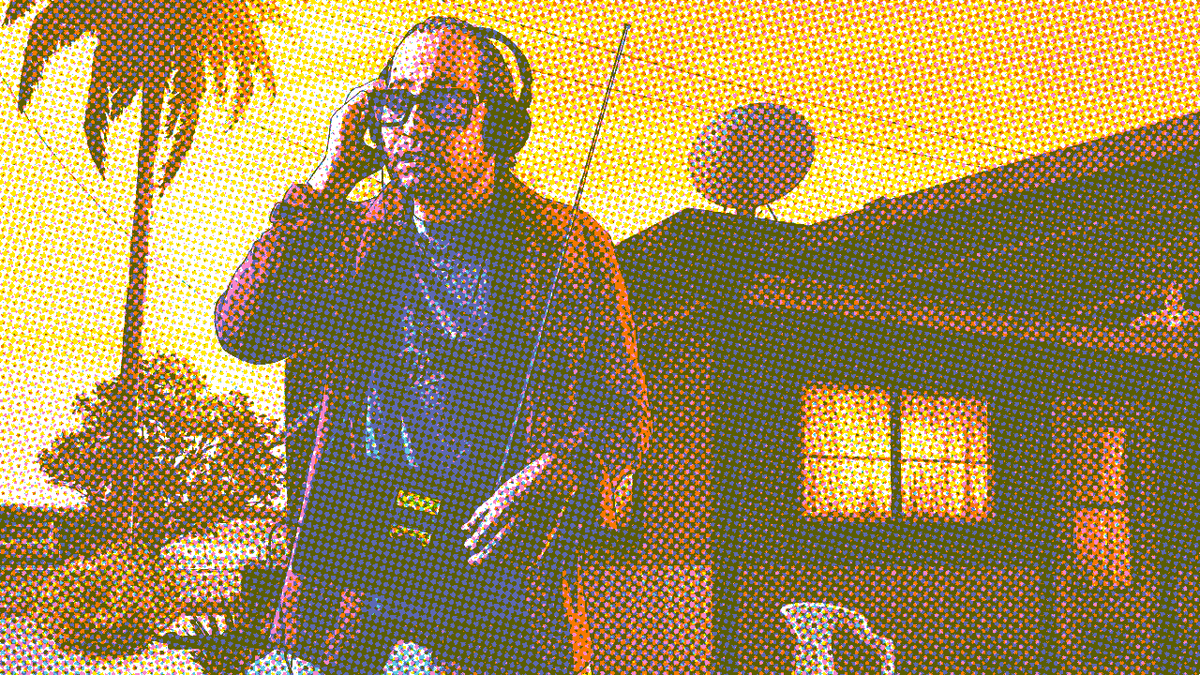
Another game series famous for its use of radio stations is the Fallout series. Since Fallout 3, players have been equipped with a handy portable radio for their strolls across the wasteland - but where did the idea for player-controlled radios come from? In this interview with Mark Lampert - audio director on several of the Fallout games - Emma Kent (that’s me) discovers the origin story of the Pip-Boy radio, and the various design hoops that had to be jumped to get around strict music licensing rules.
 Emma Kent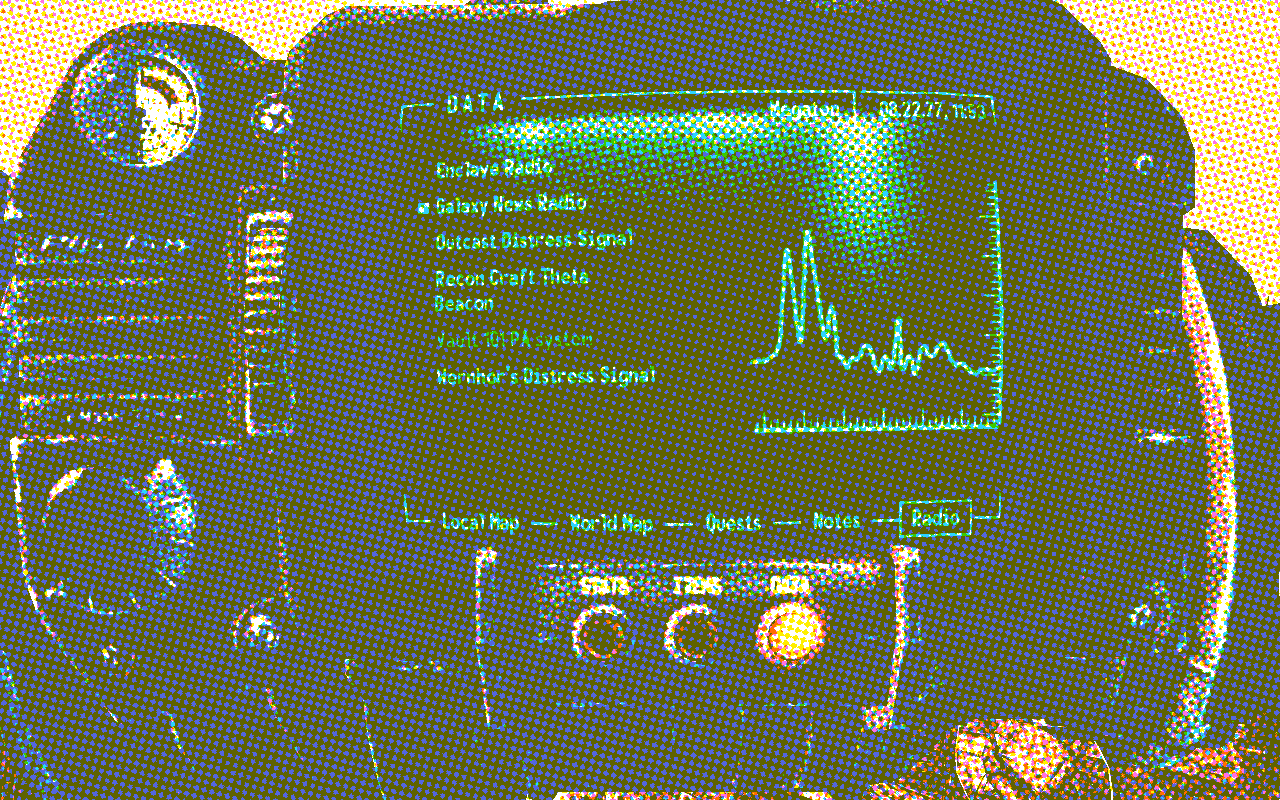
In our final article of the month, we focused on a game where a radio station forms the beating heart of the entire story. In Jet Set Radio Future, the pirate station run hosted by DJ Professor K calls the game’s eclectic cast of characters into action through shout-outs delivered over the radio. Christian Donlan explores how this pirate station energises members of the game’s counterculture, and presents a unifying thread through JSRF’s world.
 Christian Donlan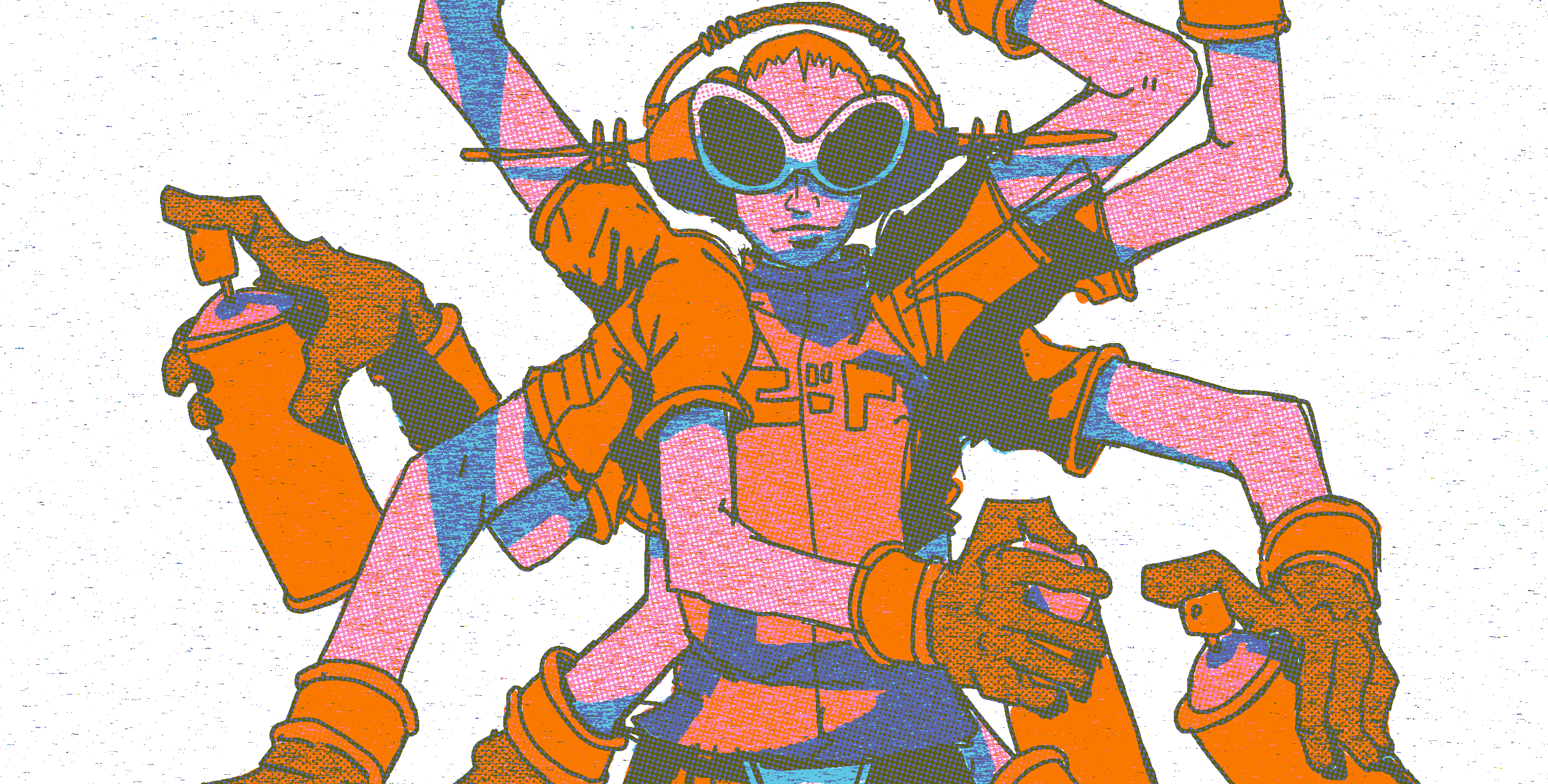
Recommended Reading: Portal, Watch Dogs and Cyberpunk
We went on the search for great articles and video essays on the theme of Radios this month, finding some on a similar wavelength to our own - along with some surprise hits.
What’s the first thing you notice when booting up a game of Portal? Before you are made aware of vague promises of cake - before you even open your eyes, actually - your ears are treated to a jaunty, low-fi music track playing from a radio in the corner of your cell. Simple radios are scattered throughout the world of Portal, and provide a sense of comfort as you navigate the game’s increasingly-sinister test rooms. But in 2010, Valve decided to update the portals in its then three-year-old game with mysterious transmissions. As it turns out, this was an ARG to promote Portal 2, and had players scrambling to decode its mysteries. This video essay by Skyrionn documents how the ARG functioned, how it was solved, and how players were rewarded for cracking the case:
The role of radio chatter is much under-discussed when it comes to world building, but these snippets of conversation are incredibly effective when it comes to quickly building up a picture of how a society functions. Controversial topics, humour, advertisements: all of these provide clues as to what people value (or are arguing about) at that point in time. For PC Gamer, Jeremy Peel argues that some of the best writing in Watch Dogs: Legion can be found in a pirate radio broadcast, which nails the feel of British radio station with its snappy quips and scathing satire. (As it turns out, Ubisoft invited real broadcasters to contribute to the station, which may go some way to explaining the impeccable use of dry humour.)
 Jeremy Peel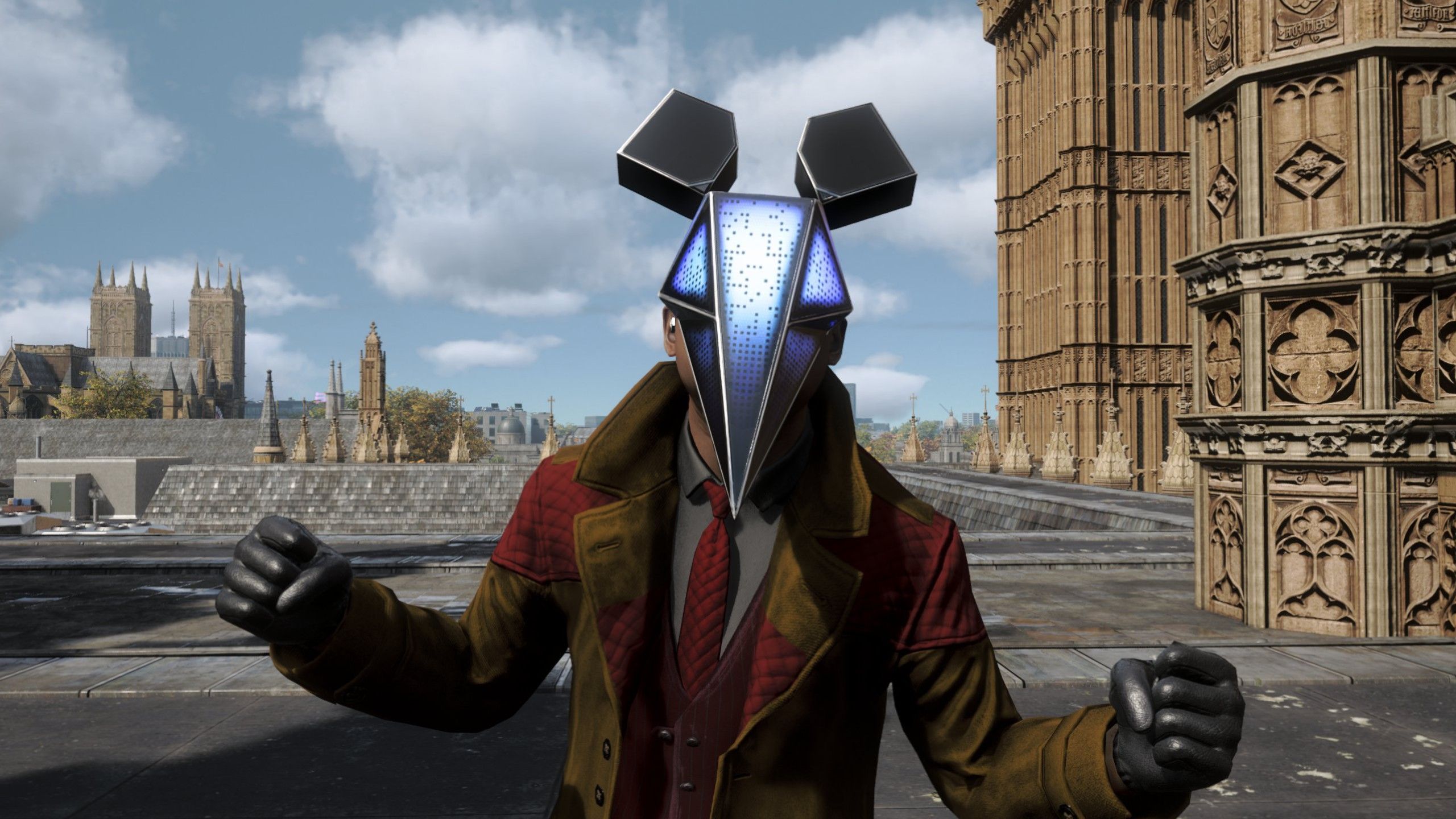
Last up in our recommendations list, we have a wide-ranging video essay by _crustbag_ discussing the relative strengths and weaknesses of radios across a variety of games, including GTA, Saint’s Row and Far Cry. It’s a fun and easy-going watch, and he has some particularly great observations on Cyberpunk 2077’s radio stations, which he notes are tightly curated to feel authentic to the game’s world. The famous artists who contributed to the game’s soundtrack adopted in-game personas to help keep the player fully immersed, and you can even find some of them as characters in Night City. Neat, huh?
Community Comments of the Month
For those of you who tuned into the Archetypes Discord this month, you’ll know that we had some fantastic discussion of video game radios - with one member even sharing their very own radio-themed game that they’d made. How cool is that?
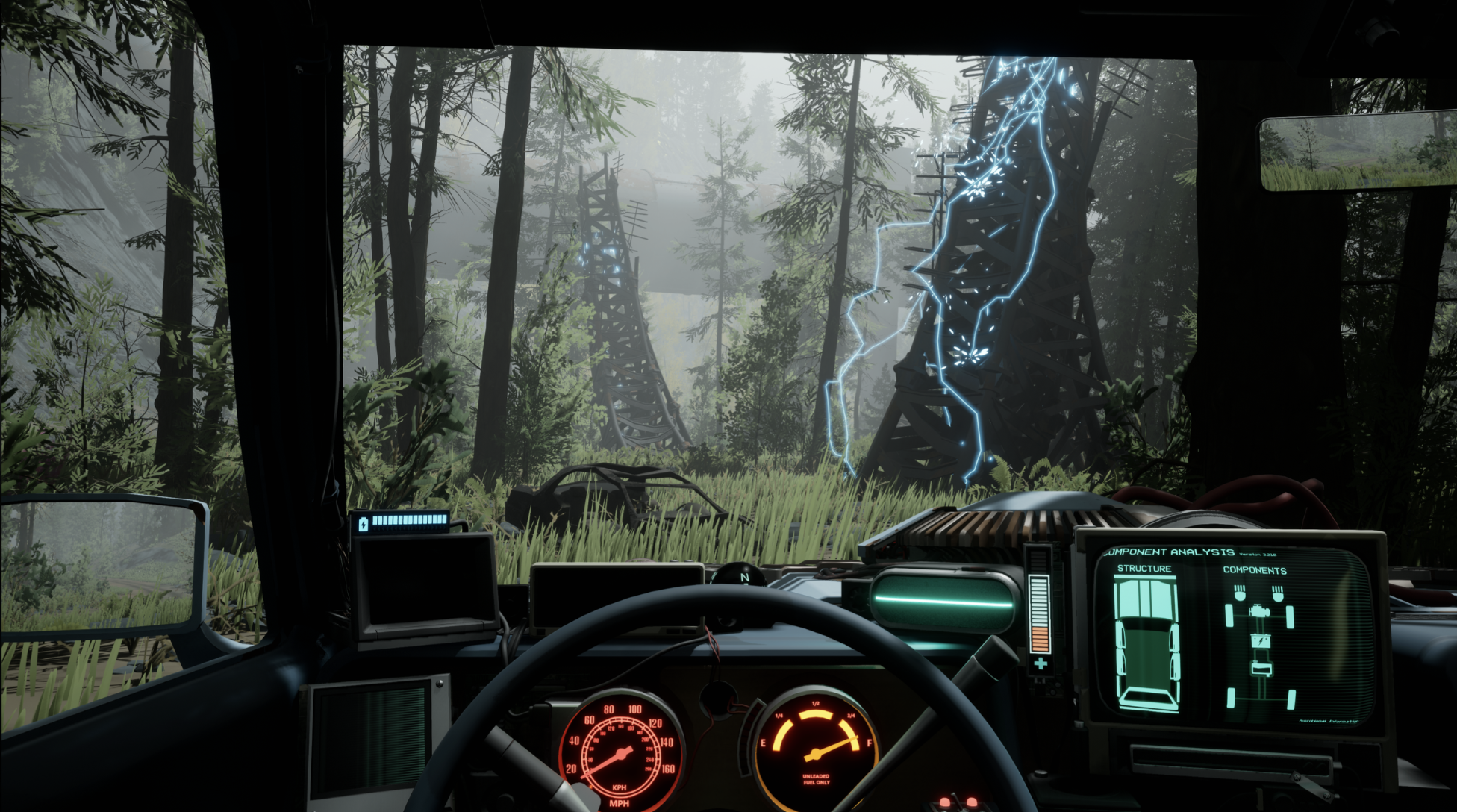
Kicking things off, Ari brought up the use of radio in Ironwood Studio’s Pacific Drive - a game which sees the player drive through a mixture of beautiful and hostile environments. Ari praises how the radio “helps set the mood and gives you a playlist that gels wonderfully with the spooky pacific northwest setting,” adding that it also functions as a great world building tool. “The music is occasionally interrupted with strange, oft-unexplainable radio transmissions that sell the feeling of being alone in a place you probably shouldn't be.” Sounds incredibly creepy - and as any horror game enthusiast will know, sound design is probably the most effective way to create unease!
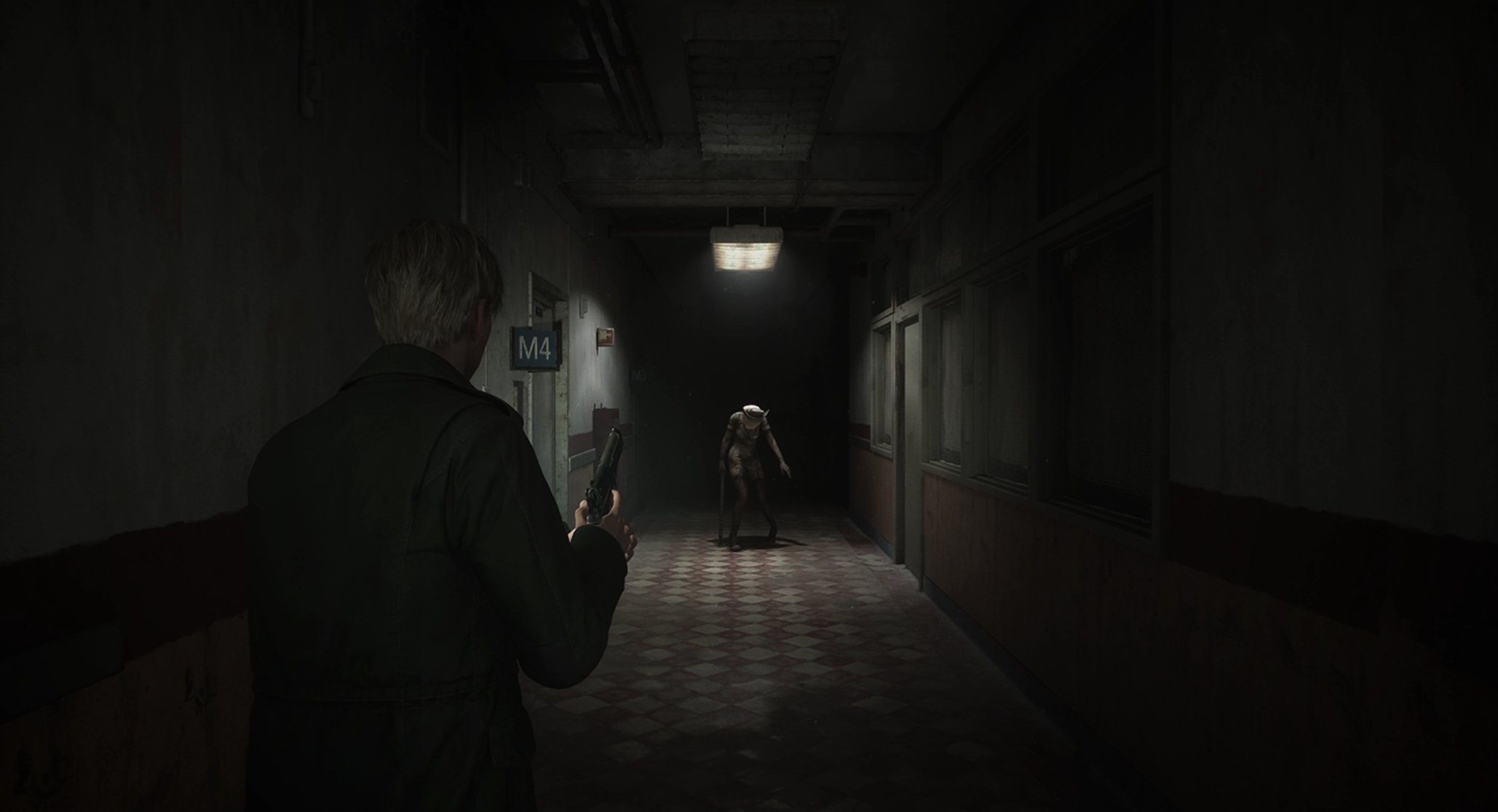
Speaking of horror games, next up we have JoeyJoJoJr, who aside from having an entertaining Discord name also had a great recommendation in the form of Silent Hill 2 Remake. “The use of the radio in game to alert you to an enemy being nearby really adds to the dread when you enter a room and heightens the tension, moreso than if the sound wasn’t there,” JoeyJoJoJr says. “Choose the PS5 version specifically of the remake as it plays the unnerving radio sound through the controller speaker, really add[s] to the immersion!” Well folks, now you know how to optimise the game for maximum spookiness.
Next up we have Drew, who shared a prototype for a game they'd made called Sideband, all about surfing radio channels. The premise is that you can change radio channels to hear music, chatter, or static - and it’s up to you to decide when to swap over. “I love the idea of having a story play out in real time where you can miss things by being tuned in to another channel,” Drew explains… before adding one more game recommendation. “Other than that, I have to shout out Saltsea Chronicles for having a class of people called Radders who are essentially radio hackers. Any game that references the shipping forecast gets bonus points in my book.” Thanks so much for sharing your game Drew - it’s a really neat creation, with a great narrative concept. We love seeing the community’s creative endeavours, especially when they’re so on-theme. Make sure to check out Drew’s game on Itch!
…And that’s all for this month! We hope you enjoyed jamming out to the radio tunes, playlists and good writing we shared. If you want to keep the vibes going, make sure you’re following Archetypes on our social platforms, and join our Discord community to submit comments for next month’s theme. This will be unveiled next week with a brand new article for you all. See you then!