
Investigations
The Monthly Roundup: Investigations
This month I’m delighted to welcome you back to the Eteo Archetypes newsletter! I hope you were as excited to receive our first Archetype of Volume 2 as we were to get them sent out. As we transition into autumn, cosying up with a great mystery is exactly the sort of thing you’ll want to be getting up to.
Investigations and mysteries are well-worn tropes across all media - they are almost inherently captivating. Structurally providing obvious narrative thrust and drive for a player, their popularity also means they have been approached in many different ways, through a multitude of cultural lenses and systems.
I’ve always really enjoyed a great mystery - the most satisfying revealing an interlinked network of events, objects, characters and sequences. Whilst a classic plot twist is very gratifying, I’ve found the very best mysteries often reveal specific underlying social, historical or political elements, teaching us something beyond the scope of what we initially thought remotely related or relevant to the case.
We played with this a bit in Sable: we had a mystery for the player to solve, one where you could accuse multiple characters and without an absolute in-game resolution. This was by design of course - I wanted to play a bit with the idea of not being 100% sure what the correct answer might be (even if I felt it was hinted at sufficiently). I think the enjoyment of this split a lot of people, but quite often it is the reality of a lot of my favourite mysteries, that there is some sort of very hard to explain or unresolvable element somewhere in there too.
Speaking of Sable, you may have seen we just crossed over its 5-year anniversary, we have also announced that we are reprinting the Design Works with Lost in Cult, keep your eyes peeled here for more updates on that. You can also read some of my reflections on that in the previous Eteo Archetypes newsletter.
-Greg
 Gregorios Kythreotis

Investigations: Ace Attorney, Shenmue, Strange Horticulture
This month we delved into the murky, mysterious waters of detective games in search of the best investigations - and we think we got to the bottom of things.
Kicking off Archetypes Volume 2 with a bang, Malindy Hetfeld explored the unique structure of Japanese detective games, which often feel like they introduce new elements at a surprisingly late stage in their stories. Hetfeld attributes this to the Four-Act Structure, which helps to shift the focus of a detective game from finding out who committed a crime to why. Starting with Ace Attorney, she traces the use of this structure across several Japanese mystery games including Paranormasight, AI: The Somnium Files and The Portopia Serial Murder Case.
 Malindy Hetfeld
Continuing our Japanese detective game theme, Matthew Reynolds examined the meticulous recreation of suburban and city life found in Shenmue. With individuals and shops running to their own schedules, protagonist Ryo feels like just a small part of Shenmue’s world. The game gives you only a couple of hours each day to progress the main investigation, so you’re given plenty of time to explore its dense urban areas - encouraging you to engage with the community and find your own path to solving the mystery.
 Matthew Reynolds
On first appearance, Strange Horticulture might look like a charming cosy game you could settle down to at night with a cuddly blanket and mug of hot cocoa. Yet a little time spent interacting with its characters reveals that this is anything but. There’s a sinister undercurrent to Strange Horticulture, which tasks the player with investigating occult goings-on from their position as the local horticulturalist. As Katie Wickens writes, however, the more you struggle for perfection and answers, the greater the strain on your psyche when things don’t go according to plan.
 Katie Wickens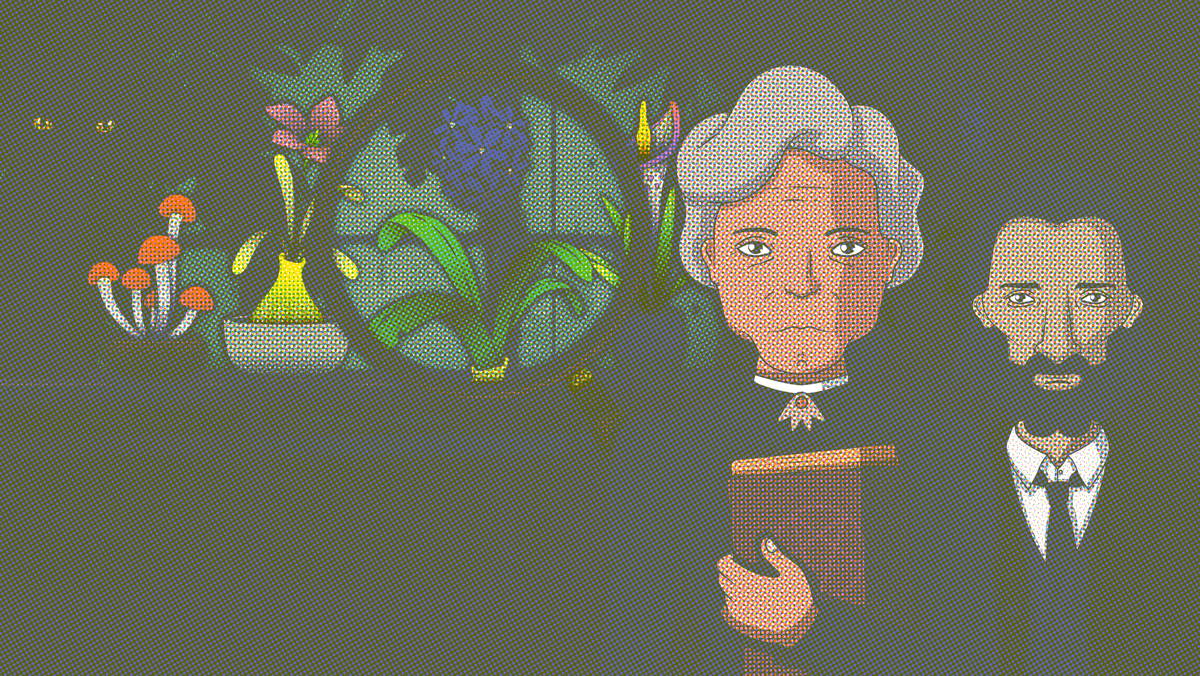
Recommended Reading: L.A. Noire, Return of the Obra Dinn, The Forgotten City
There’s a temptation in game design to always make investigations resolve neatly and perfectly: the player simply has to figure out the correct order of steps to solve the puzzle, and ta-dah, the case is solved. Not so in L.A. Noire. As Cameron Kunzelman writes for Vice, the game is unafraid to confront the player with failure, and explores the idea that sometimes there are power structures in place that mean things simply spiral out of your control.
 Cameron Kunzelman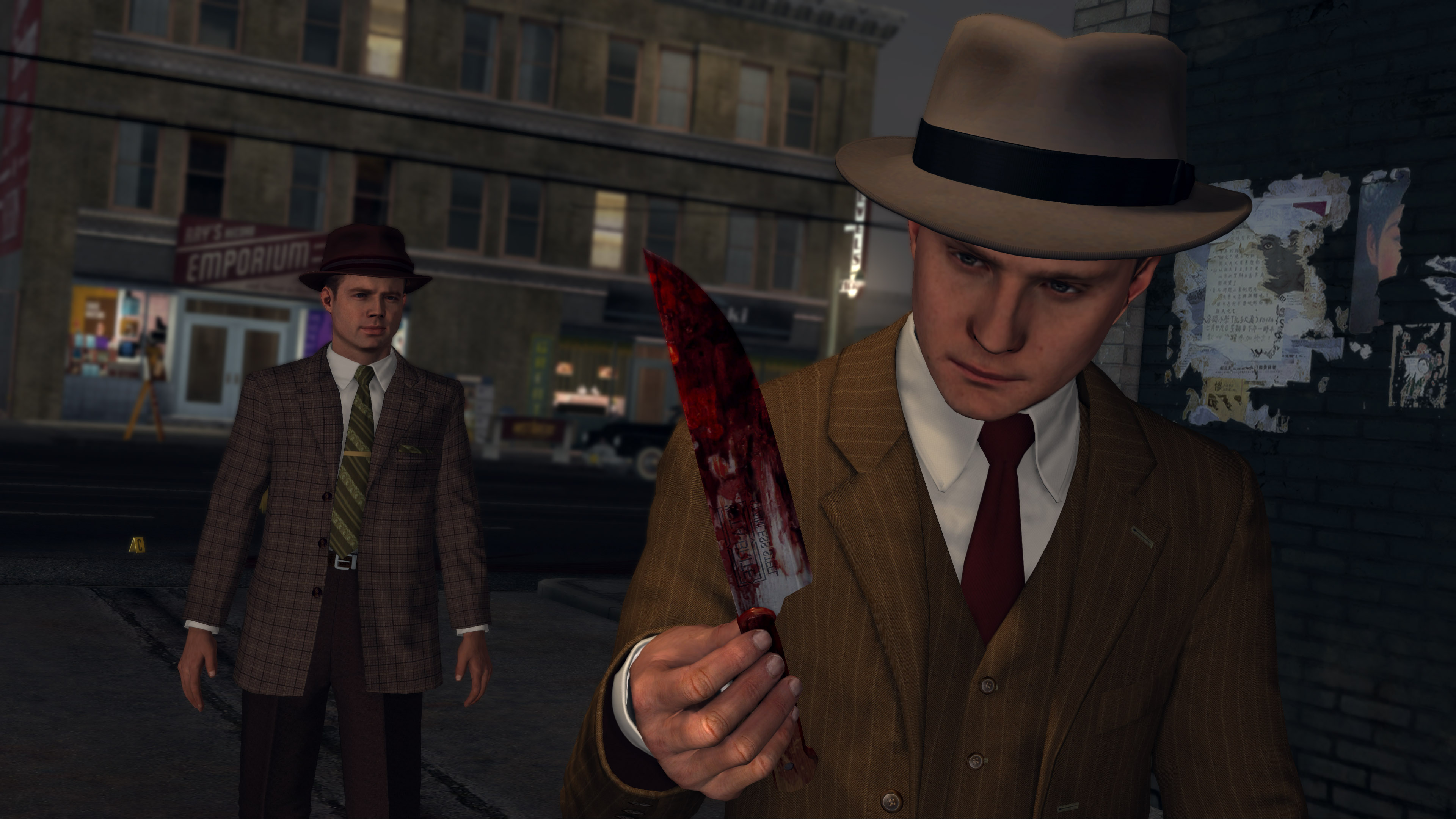
The process of ‘making’ history and telling forgotten stories is, in many ways, a form of investigation. You sift through vast amounts of material to select and prioritise certain pieces of information, find common threads, and create a narrative that will inevitably be coloured by your own biases and background. Whatever story you tell will only ever be a part of the full picture. Historian On draws parallels between their own experiences researching Central Asian history to the investigation in Return of the Obra Dinn, which feels something like uncovering a mass grave.
 View all posts by Historian On Games
Famous for its origins as a Skyrim mod, The Forgotten City is a time-travelling mystery set in a Roman underground city. Tasked with discovering which resident has broken the ‘golden rule’, it’s your job to interview citizens and find clues to discover the culprit. Fail to solve the mystery in a single day, however, and time will rewind for you to try again. That time loop formula may sound familiar - yet as Game Maker’s Toolkit argues, The Forgotten City manages to achieve an incredible sense of freedom and constant forward progression that makes it stand out amongst other strong contenders in this category.
That wraps up this month’s Archetypes theme! We’re just at the beginning of our second volume, so there are plenty more brilliant articles to come. Remember that you can join our Discord to chat about each of these pieces as they are published, and generally have a good natter about art and video games. See you soon!