Investigations
Solving the Mystery of Japanese Detective Games
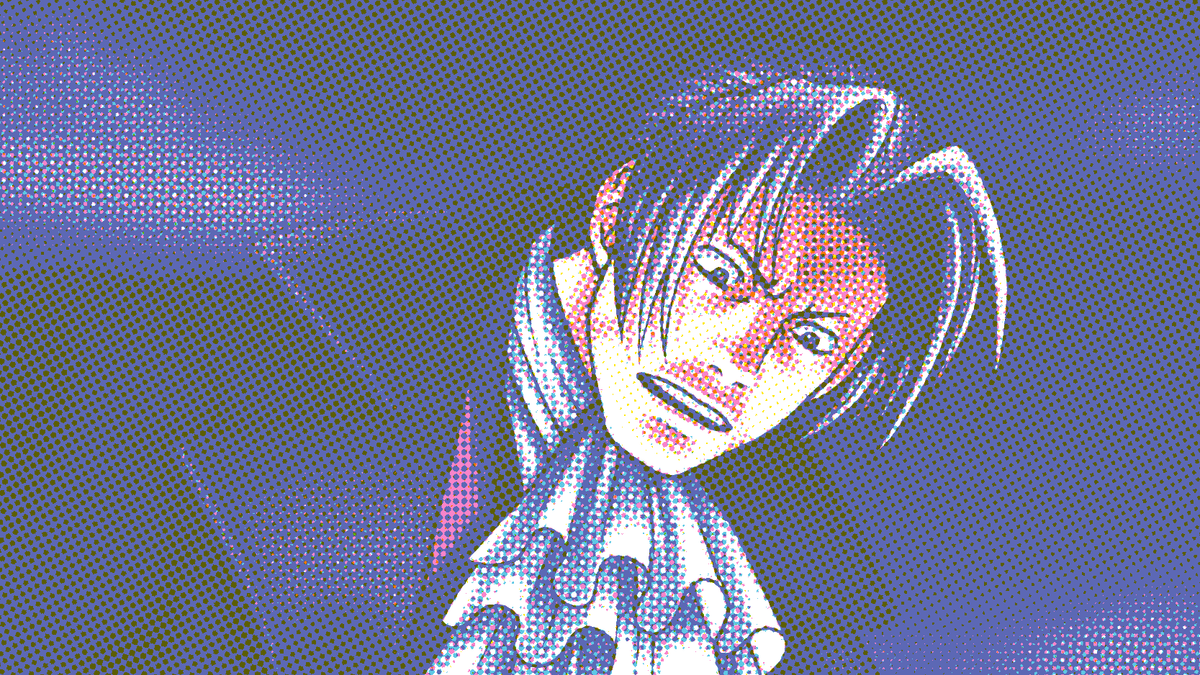
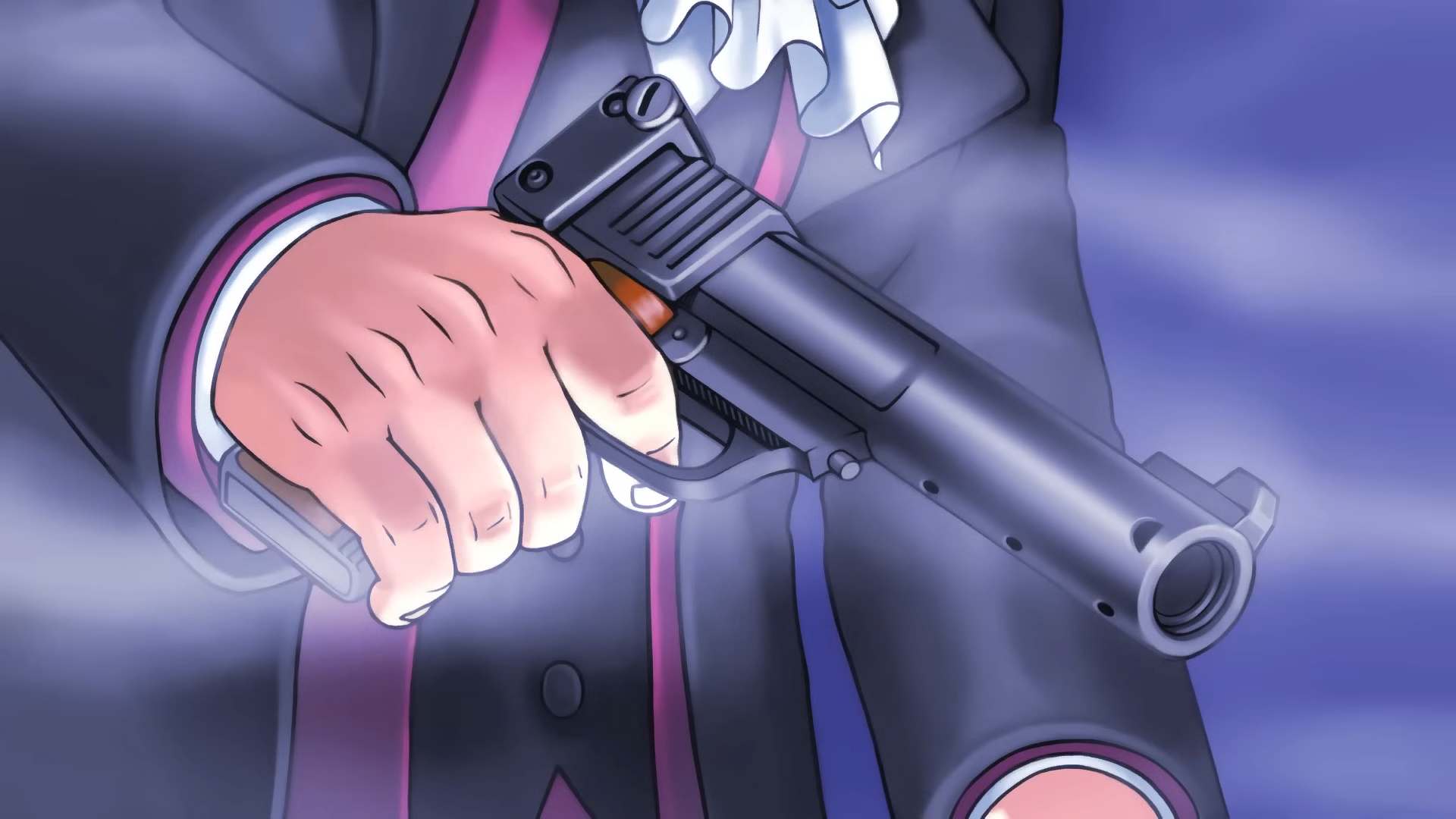
Two men meet on a rowing boat in the middle of a lake. It’s a cold winter’s day. The men exchange a few words, the conversation gets more and more terse. Then suddenly, there’s a shot, and we see one of the men looking down onto a gun, seemingly stunned by what he has just done. The man is Miles Edgeworth, an attorney.
This is the beginning of the third case of Phoenix Wright: Ace Attorney, Turnabout Goodbyes. It sees players try to prove that someone as upstanding as Miles would never harm a person, even though he has arguably committed other crimes (forging evidence, anyone?). It’s a fairly classic setup: many pieces of crime media will show the crime or even the perpetrator, so all there’s left to do is to see how the investigator finds the information we as viewers already have. Usually, the parts that make an investigation game work are linearity, logic and (arguably) a focus on the player. Only if a game adheres to the general rules of logic can we make the deductions that will lead us to crack the case. Linearity means that once we as the protagonist have witnessed an event or found a new piece of evidence, we can assume the new find will lead us somewhere new. But in Ace Attorney, not only do players have to ignore what the game presented them as true as a clever disinformation tactic, the case will involve a treasure hunt, a mythical creature that lives in a lake, a parrot as a witness and the help of a ghost. Why would you put these elements into an investigation game, knowing they make it harder to solve?

Japanese games such as Ace Attorney make use of The Four Act Structure - the predominant structure of stories in many Asian countries - while Western stories rely on the Three Act Structure. The Three Act Structure is relatively rigid; you have a setup, a confrontation and a resolution, and if you introduce completely new elements after the setup, it will feel like bad and rushed storytelling. The idea is that the solution to the crime stared you in the face all along, so an unexpected element feels like cheating.