Radios
How Radio Unites and Emboldens the Counterculture in Jet Set Radio Future
Whizzing by, riding the endless twisting currents of the modern information scene, is a social media post about a strange medium. This medium is everywhere, the post explains. This medium is spooky and ancient and invisible, and it forms part of the heartbeat of the universe itself. And yet once humanity discovered it? Once we discovered it, we filled it with music.
Seconds have passed. The social media post is now lost in the churn. The currents and thermals of information race ever onwards. And yet that message, already long gone, takes a moment to untangle. A medium that’s everywhere, and we filled it with music? Radio. They’re talking about radio waves.
Games are loaded with invisible things. They’re made of code, for starters, lines of letters and numbers and symbols that we’re never meant to see. And then their worlds are filled with barriers that we can’t breach, and silent trigger points that make sure a mission happens when it’s meant to. As we move through these spaces we’re constantly grazing things that we can’t make out, but which still ensure that the whole place works.
Then there’s radio. Radio waves are invisible and, in the real world, if we stop to consider them at all, we’ll find that we’re pretty much used to the idea that they thread themselves around us and through us. What could be more mundane than the chatter of a radio coming from a nearby house, tuned to a local station?
And yet it always feels truly magical in a game like GTA when you can get into a car and turn on the radio - where you can even select the channel you want to listen to. In Oxenfree, a game about spending a long, unsettling night on an abandoned island, the radio you carry with you is perhaps the single most unsettling thing you encounter the whole time. Fire it up and turn the dial and there are all these other realities out there in the night, all of them colliding, jostling, vying for prominence. Dance hall. Distance voices. Machinery made of static. This stuff walks amongst us.
These are all great uses of radio, but there’s one game that has done so much more with it. And it’s done it by doing so much less, at the same time. You don’t turn the radio on or off in this game, and there are no controls for dialling into specific frequencies. In fact, there’s only really one channel. Yet to be in this world is to be immersed in radio - and not just immersed. You are oriented by radio in this world. Ultimately, you are emboldened by it.
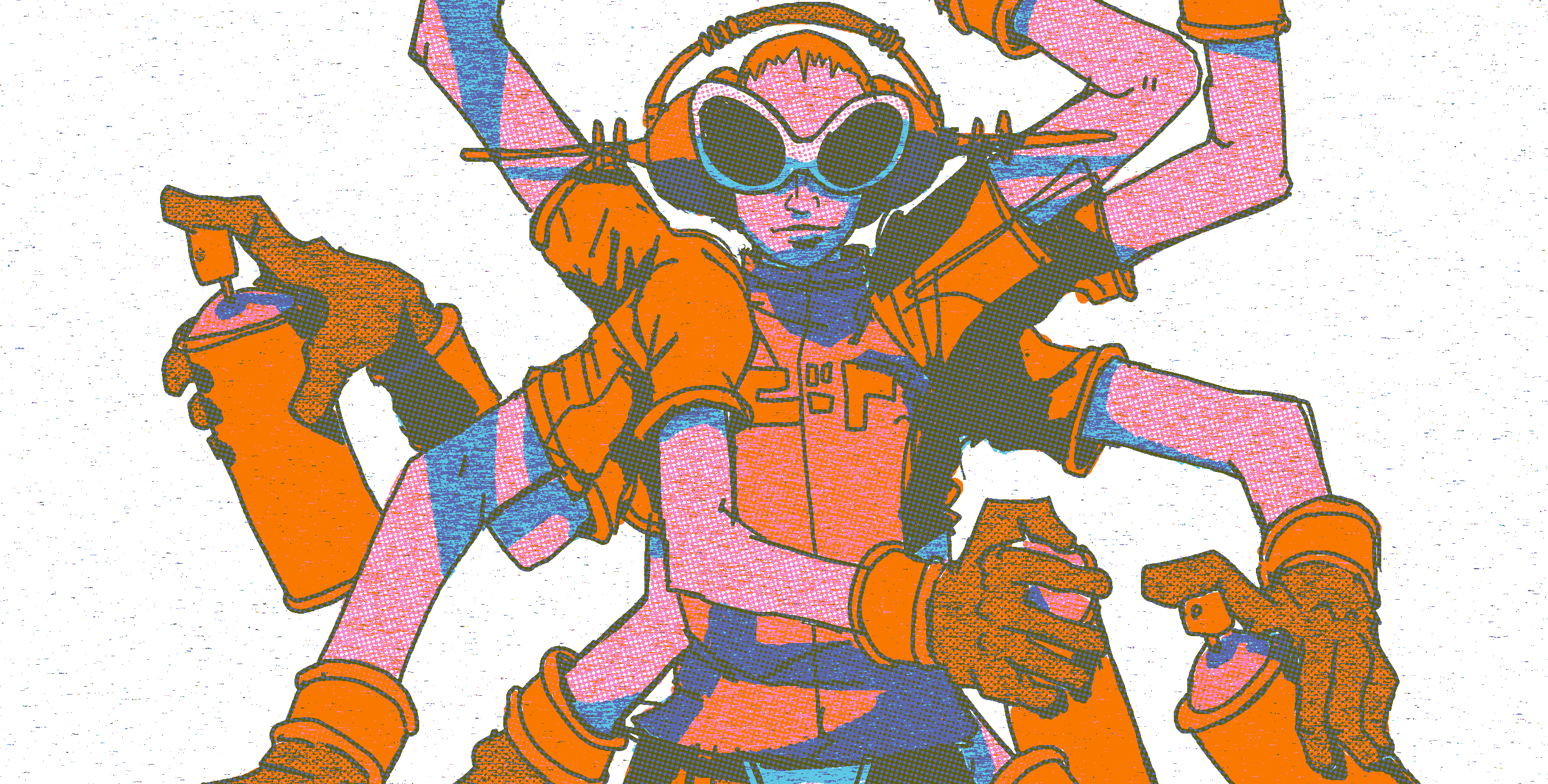
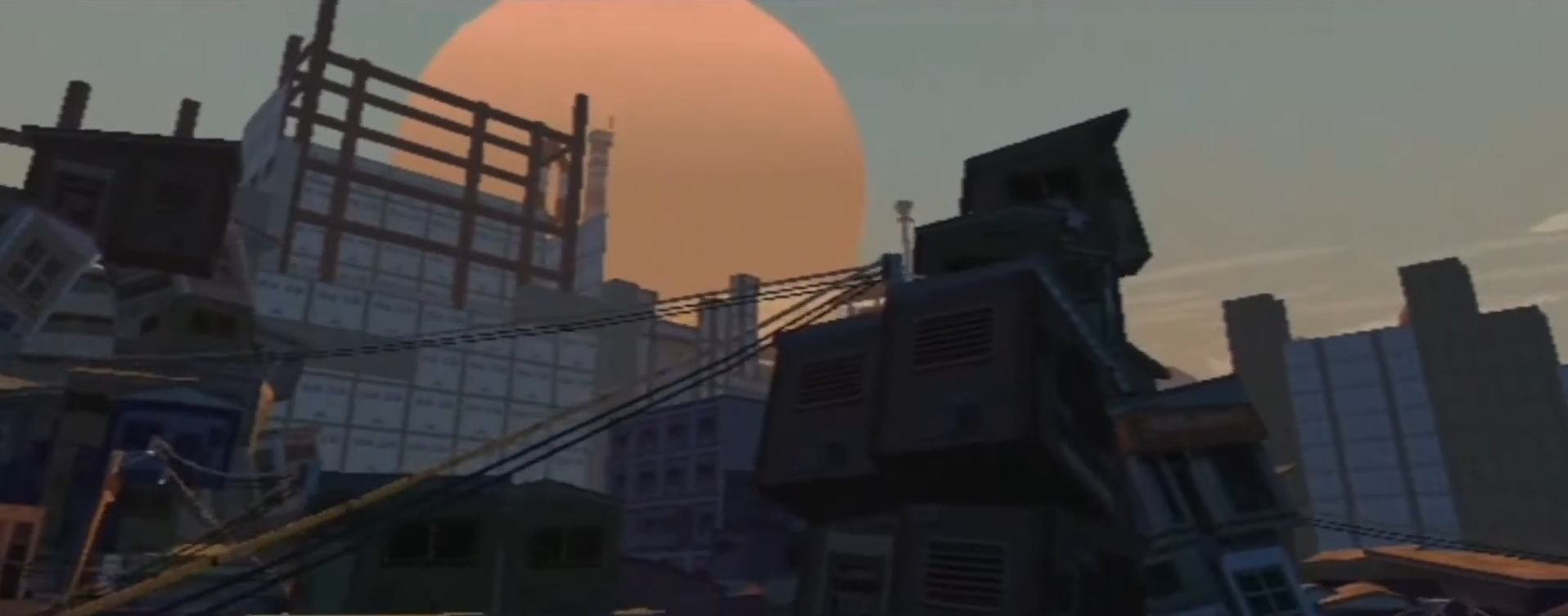
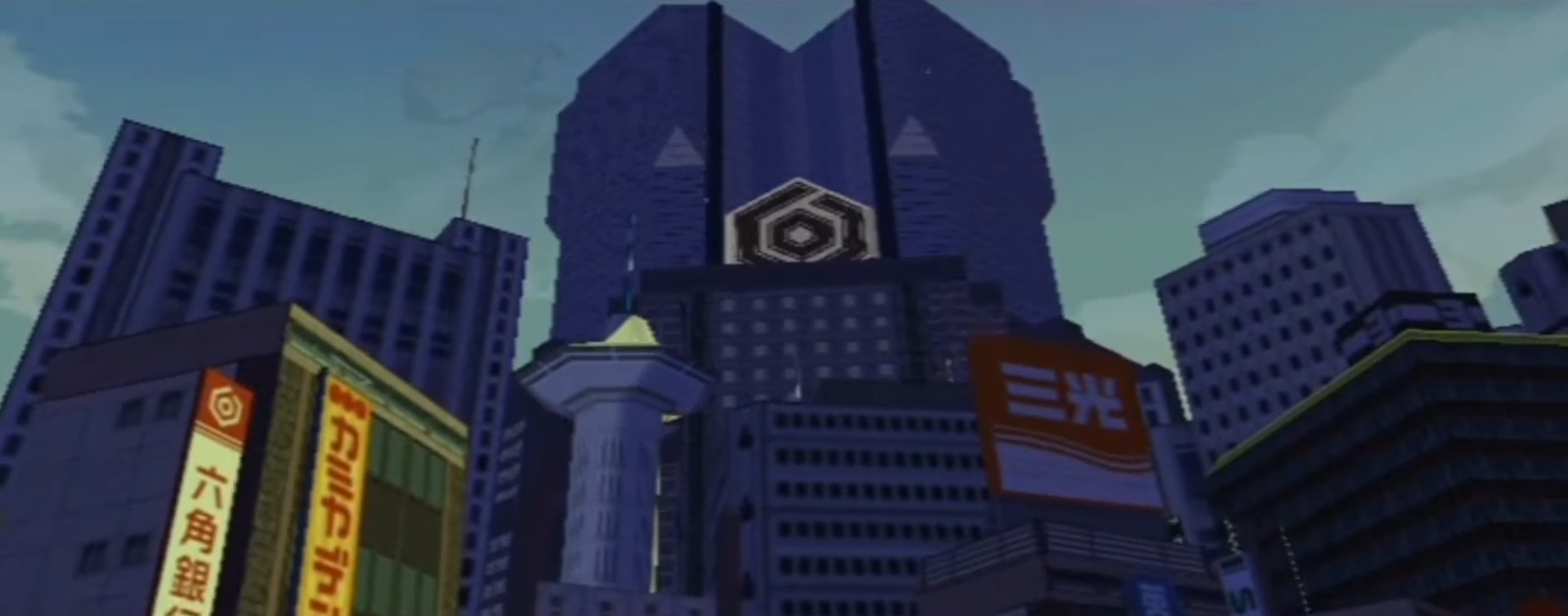
This is the world of Jet Set Radio Future. An alternate reality remake of the original Jet Set Radio, which was called Jet Grind Radio in the US, it’s a game about a group of young skaters in a gently futuristic version of Tokyo. The skaters move through the game’s cluttered cityscapes with grace and speed – they’re super-users of the urban environment – and they lay down graffiti to mark their territory. In the game’s fiction, their city is in danger from the authoritarian Rokkaku Group and its private police force. This group wants to outlaw skating and graffiti, but it’s effortlessly clear that what it’s really targeting is freedom of expression. And so a battle unlike any other in video games is about to play out. And once again, radio is the heartbeat of this universe.
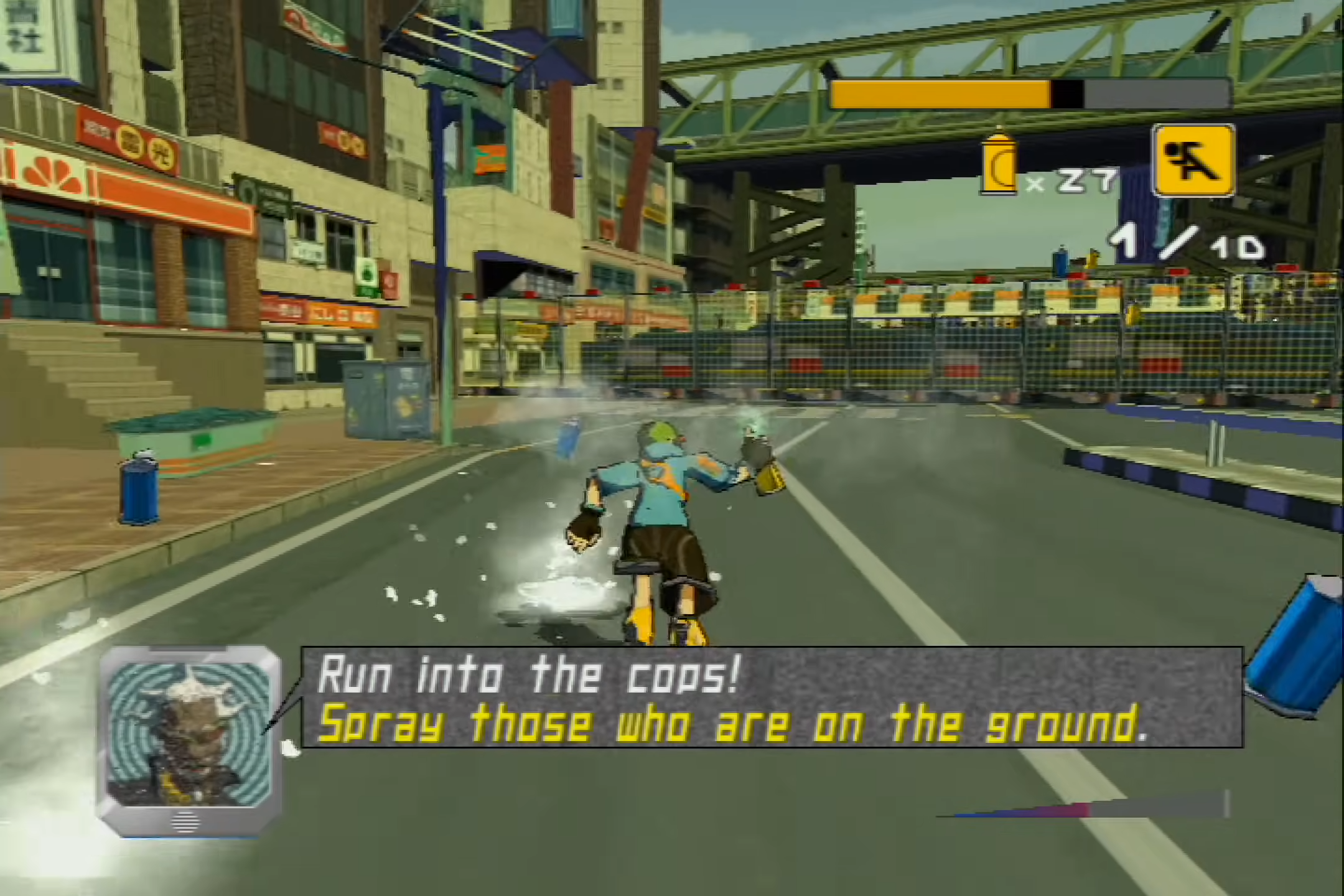
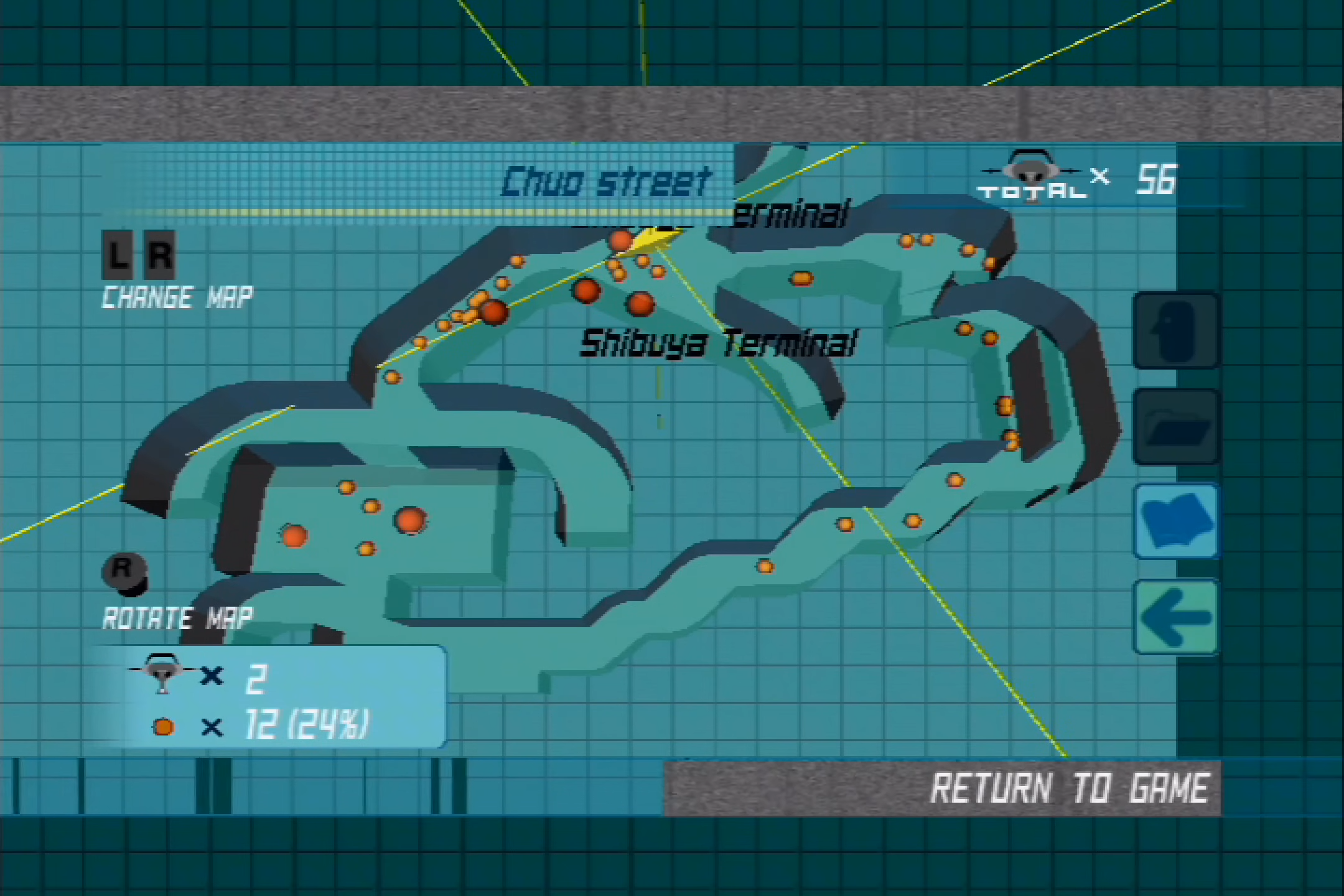
Radio provides a number of obvious benefits to the designers of Jet Set Radio Future. At its simplest level, the game’s single radio station creates a shifting, glitching musical backdrop for each of the game’s urban spaces. It’s harmonious: a clash of musical styles and genres, packed in with bursts of static and odd loops and scratches, all of it seeming to echo the visual nature of the game’s world, which is cel-shaded and made of endless bright, angular planes.
The music loops here, but it loops in a curated way, with a handful of tracks specifically picked for each part of this ersatz Tokyo. You spend a lot of time in these spaces, finding every path through a neighborhood as you tease out the hardest-to-reach graffiti spots, and because the soundscape is subtly tailored to each location – these tracks here, those tracks when you’ve moved over there – there’s a rich sound component to your specific memories of moving through the world. Each area of the city has its own sonic signature.
Then there’s the DJ Professor K, the voice of the game’s pirate radio station, and a means for the player to easily learn where to go next and what they’ll be doing when they get there. Professor K is very nearly a counter-culture police dispatcher, directing you from one level to another and clueing you into your shifting agenda as you move across the city. He never feels like it, though. He’s a force for dynamism rather than authority: get over there and see what you can do, he seems to say. Good luck! Everything counts. Victory is not assured.
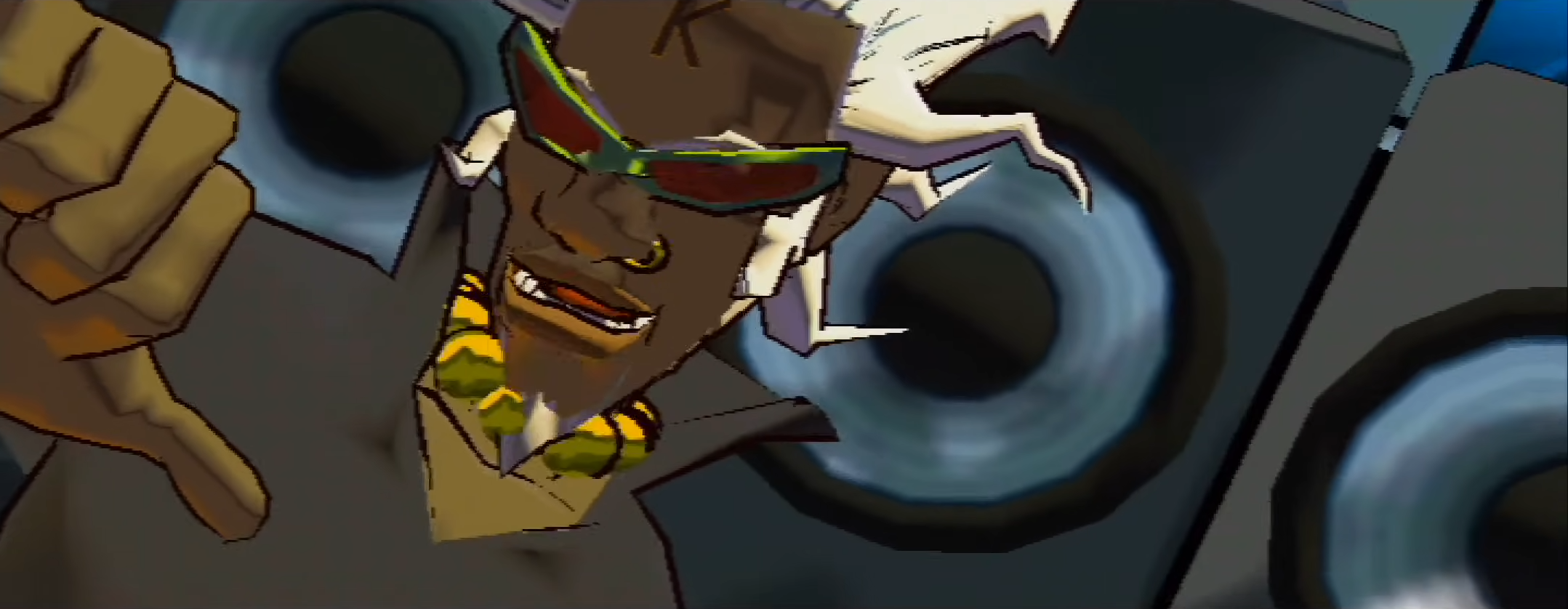
But there’s more to the game’s use of radio than background music and mission objectives. You are always one face in a crowd in Jet Set Radio Future, one person moving through a mass of urban strangers. Yet you, and your distant allies, are all listening to Professor K and his tracks. You all know the same songs and you’re all getting the same updates on how the resistance is going. Move in close and every unlockable character in the game is wearing headphones. They’re all alone, but alone together in that way that the best radio stations allow for. The invisible air is bringing you a shared experience. It’s curated. Everyone who’s in the know gets the same thing – everyone gets a taste of someone else’s peerless taste. When Professor K amps you up, he amps everyone up. He’s telling you all that you can take back your city.
This is powerful, game-altering stuff, even if it exists just below the level you’re generally conscious of in a game. Radio is the guiding grip at your elbow in Jet Set Radio Future. It’s the pat on the back. The secret handshake. It’s all of these things. Radio stops this whole thing from being a game about missions and objectives and set-pieces and instead makes it a game about a culture and people. I've always been struck by the fact that what's at stake in Jet Set Radio Future isn't the end of the world, but the end of a way of life. Radio is the thing that holds everything in the game, and in that way of life, together.
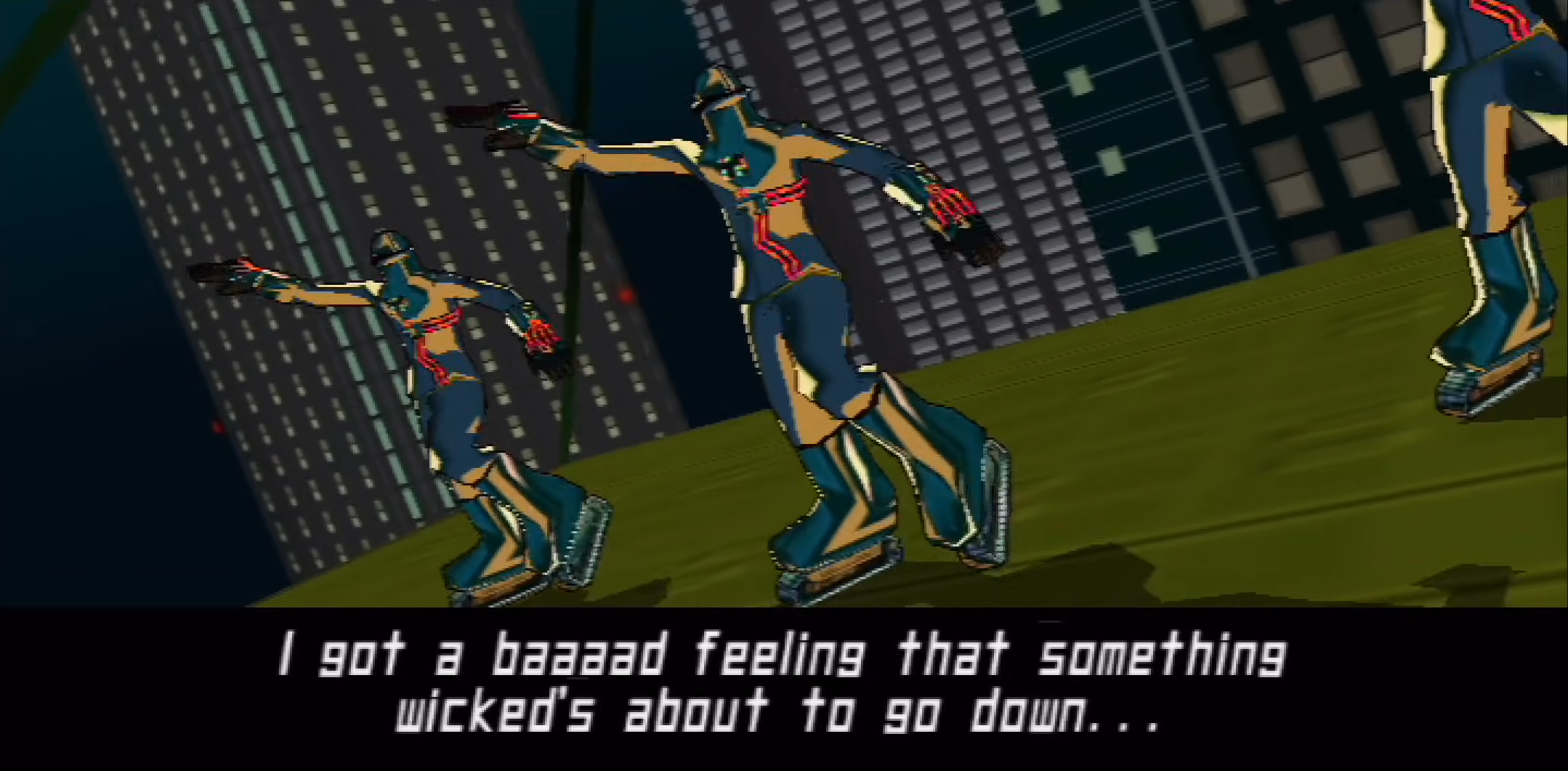
And there’s something more. Jet Set Radio Future was a console exclusive for the original Xbox, which means that it’s tricky to play today, unless you still have a backwards compatible Xbox 360 connected up to a TV somewhere. This means that, for a lot of people who once experienced it, the game is probably a CD or a Spotify playlist these days. The game has probably been reduced to that brilliantly fidgety, restless, omnivorous soundtrack that brought all its disparate pieces together.
But if you do manage to play the game itself, what’s most striking is how it’s still quite an overwhelming thing at first. Console generations are meant to bring with them an increase in fidelity, in potential detail, and yet Jet Set Radio Future – which is just shy of being a quarter of a century old – still erupts out of the screen, its landscape of many pieces all but screaming into your living room.
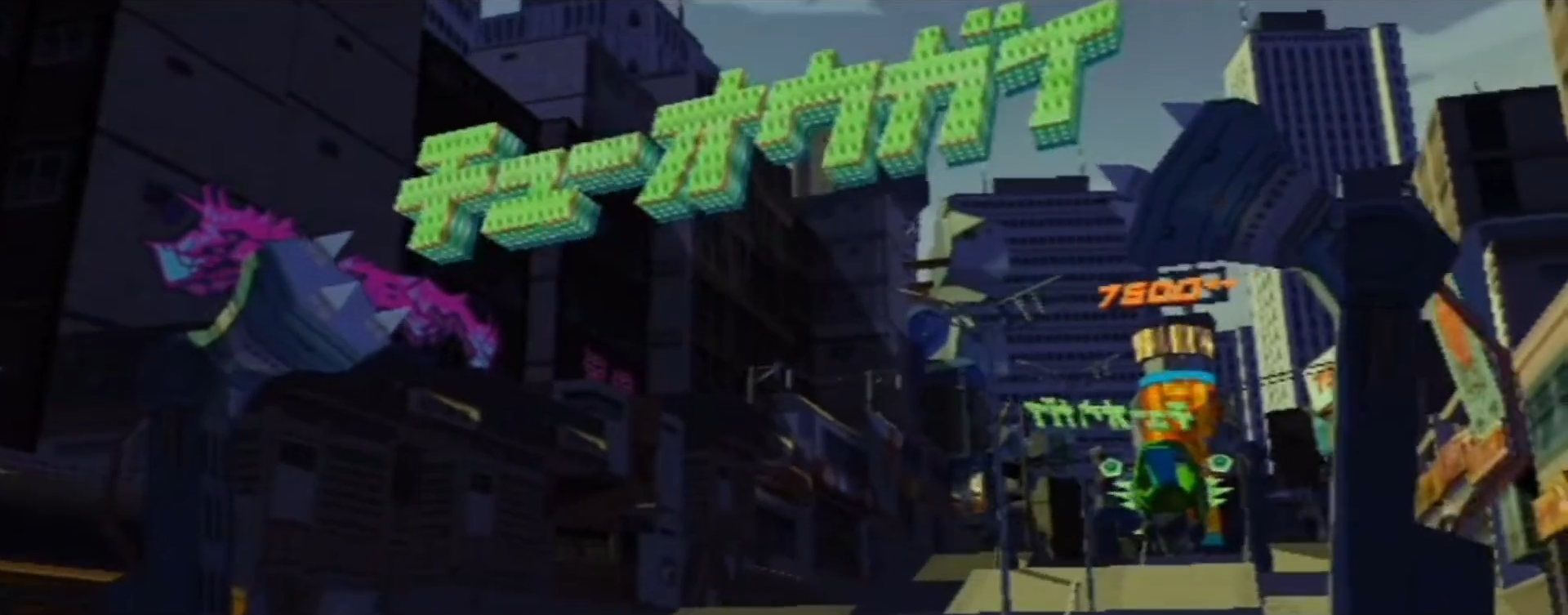
All but screaming. With the benefit of hindsight, this is in part a game about overload, about that twisting, rushing, always-on media landscape that didn’t truly exist yet when the game came out. But the developers clearly sensed it coming: social media, status updates, likes. You could argue that they translated all that stuff into landscape, into complex geometries and levels that build like corkscrews and exist to create an unstable kind of energy as you’re propelled along, and places where every surface talks at you with some kind of advertising or graphical puffball of colour and shape and text.
And yet it never overwhelms completely – and that’s because of radio too. Jet Set Radio Future saw the babble that was coming to claim our attention, and it gave us a sonic rail to ride in order to keep ahead of it. In radio, it offered us that one, luminous route through it all, a means of being of one mind, even when we’re so widely scattered and distracted.
If this article was exactly your jam, there's more where that came from. Sign up for the free Archetypes newsletter to get articles and important Eteo studio announcements straight to your inbox.
Don't forget to join the Eteo Discord server to discuss this piece and other Archetypes articles in a friendly and thoughtful environment.