Skyboxes
The Monthly Roundup: Skyboxes
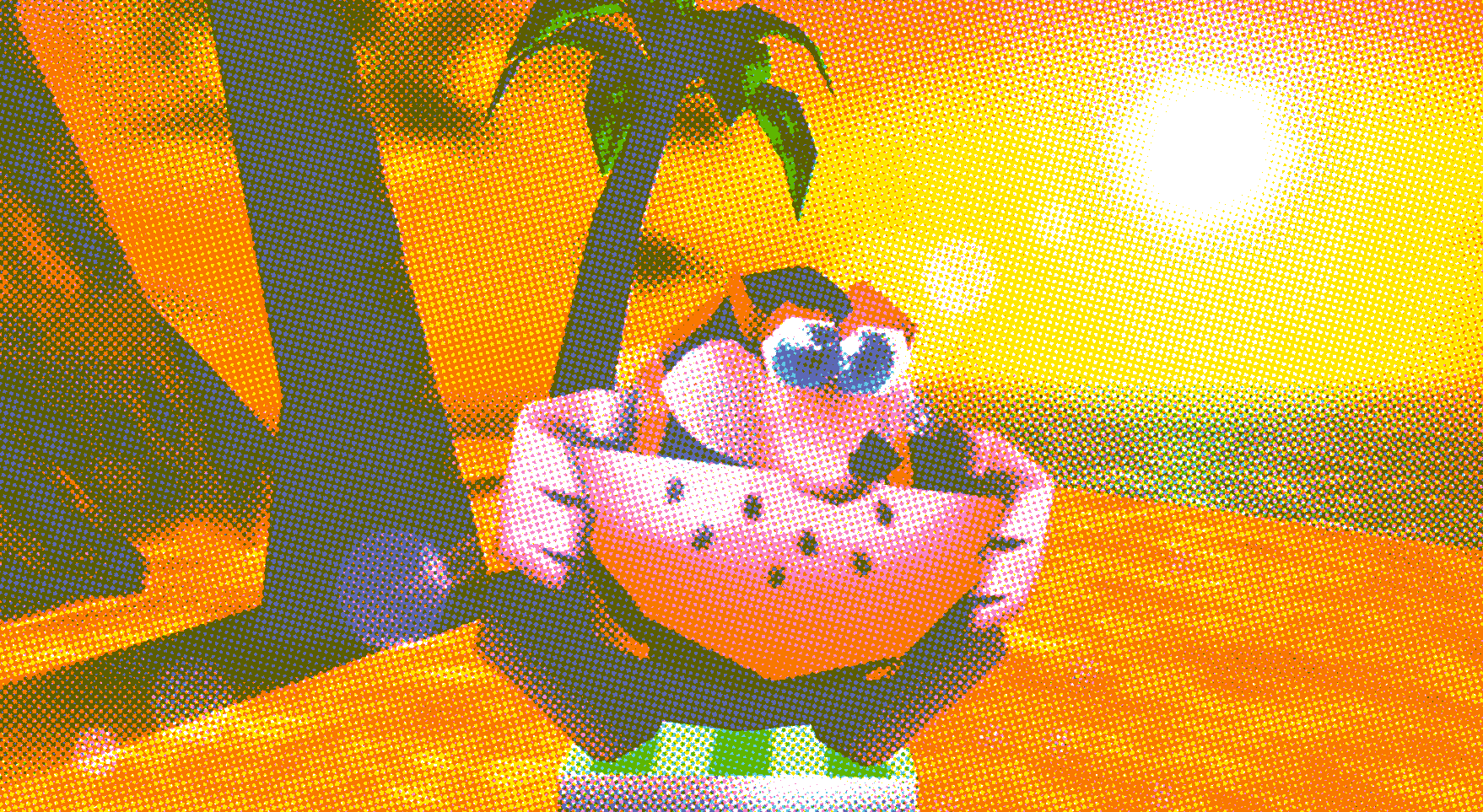
If you’ve ever worked in a game engine, you’ll understand the daunting infinite void of grey that welcomes you when you first start a project - the intimidating feeling of endless possibilities, a 3-dimensional blank page to empty years of your life into. The power of this infinity is one game developers have had to find different ways to harness over the years: an intimidating, often-overlooked and powerful tool for worldbuilding. There are simpler and more complex ways to handle skyboxes, but if your game has a horizon line, it’s a ‘problem’ you have to solve - or looked at another way, an opportunity you can grasp.
When you think of the percentage of space a skybox takes up on a screen, or in a world, it is often somewhere between 40-60% of a given view. Using this empty space as white space in a composition is also extremely useful, though often even then it will be painted with a gradient, clouds and atmospheric elements.
This month we’ve examined just a few different approaches developers have taken to utilising their skyboxes, from Half-Life 2’s oppressive ever-present Citadel, a reference point of navigation and overwhelming scale, to Bloodborne’s dynamic moon cycles and the ways in which FF7 Remake rebuilds Midgar over the foundation of PS1-era background drawings.
For me personally, it’s a tool I feel I underutilise in my work. Maybe that’s why I wanted to examine it through Archetypes. With Sable we had a very literal physical interpretation of the world. This had its upsides - the game design would be fundamentally different if that were not true. I admire the ability of any game developer who is economical with resources, particularly when evoking a world that feels larger than it actually is.
-Greg
Skyboxes: Half-Life 2, Bloodborne and Final Fantasy 7 Remake
What's that on the horizon? Why, it's three excellent articles on the subject of skyboxes, of course. Time for a little recap of this month's theme.
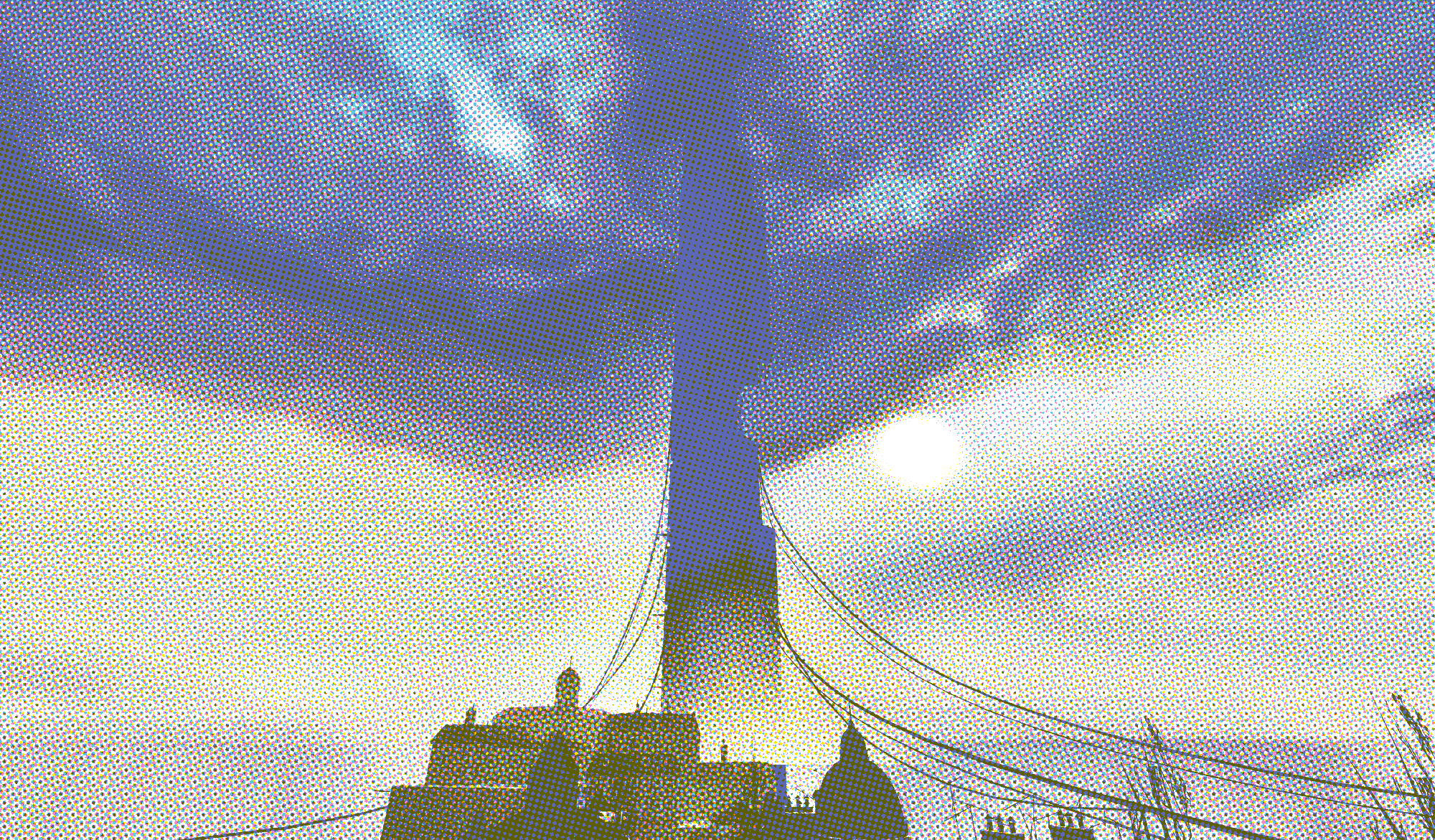
As we learned from Konstantinos Dimopoulos’ article on the skies of Half-Life 2, art director Victor Antonov used grey skies to create an unsettling mood in City 17. In combination with the brutalist, Eastern European-inspired architecture of the city, the skybox establishes a feeling of oppression when roaming the game’s urban areas.
 Konstantinos Dimopoulos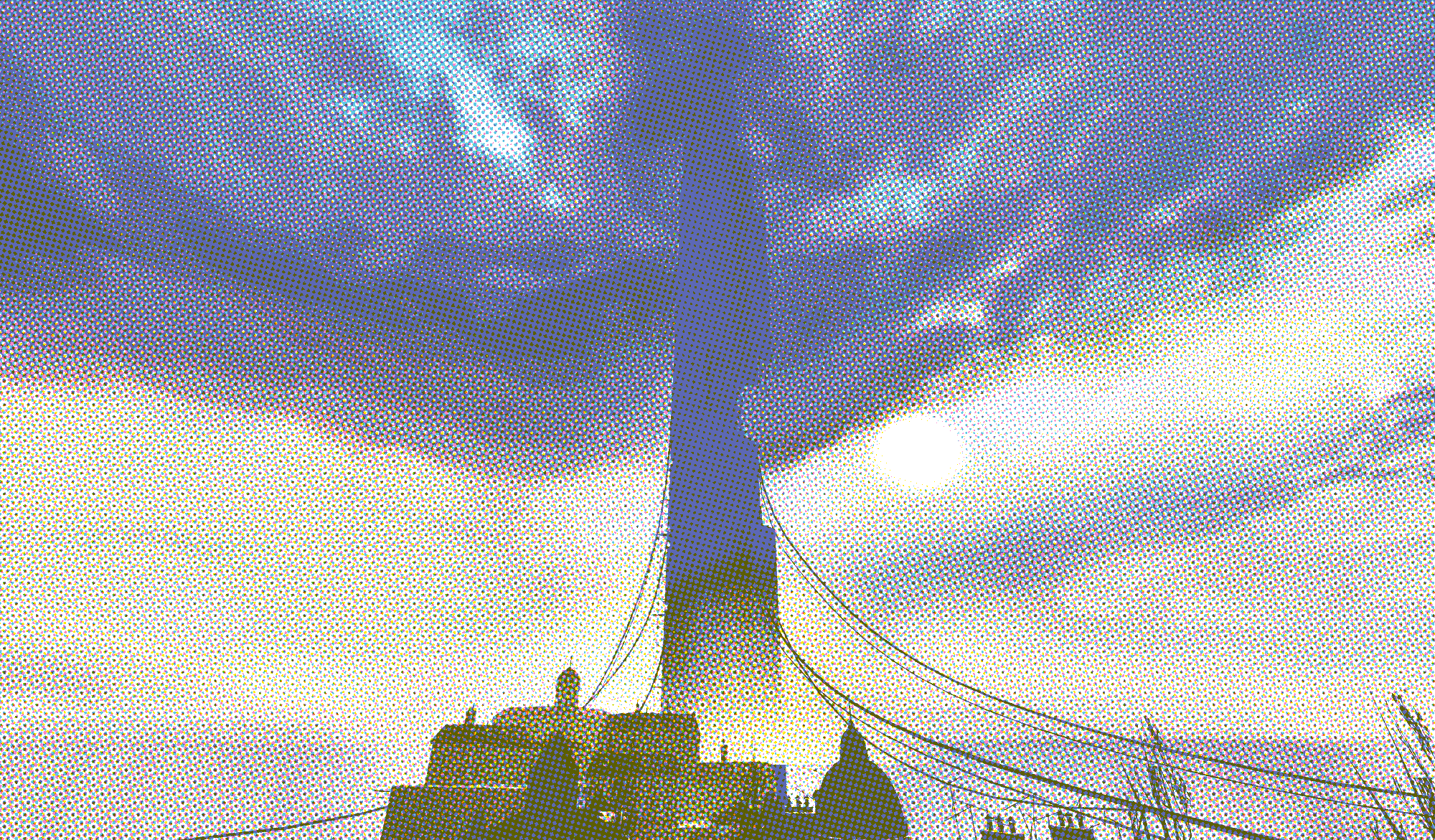
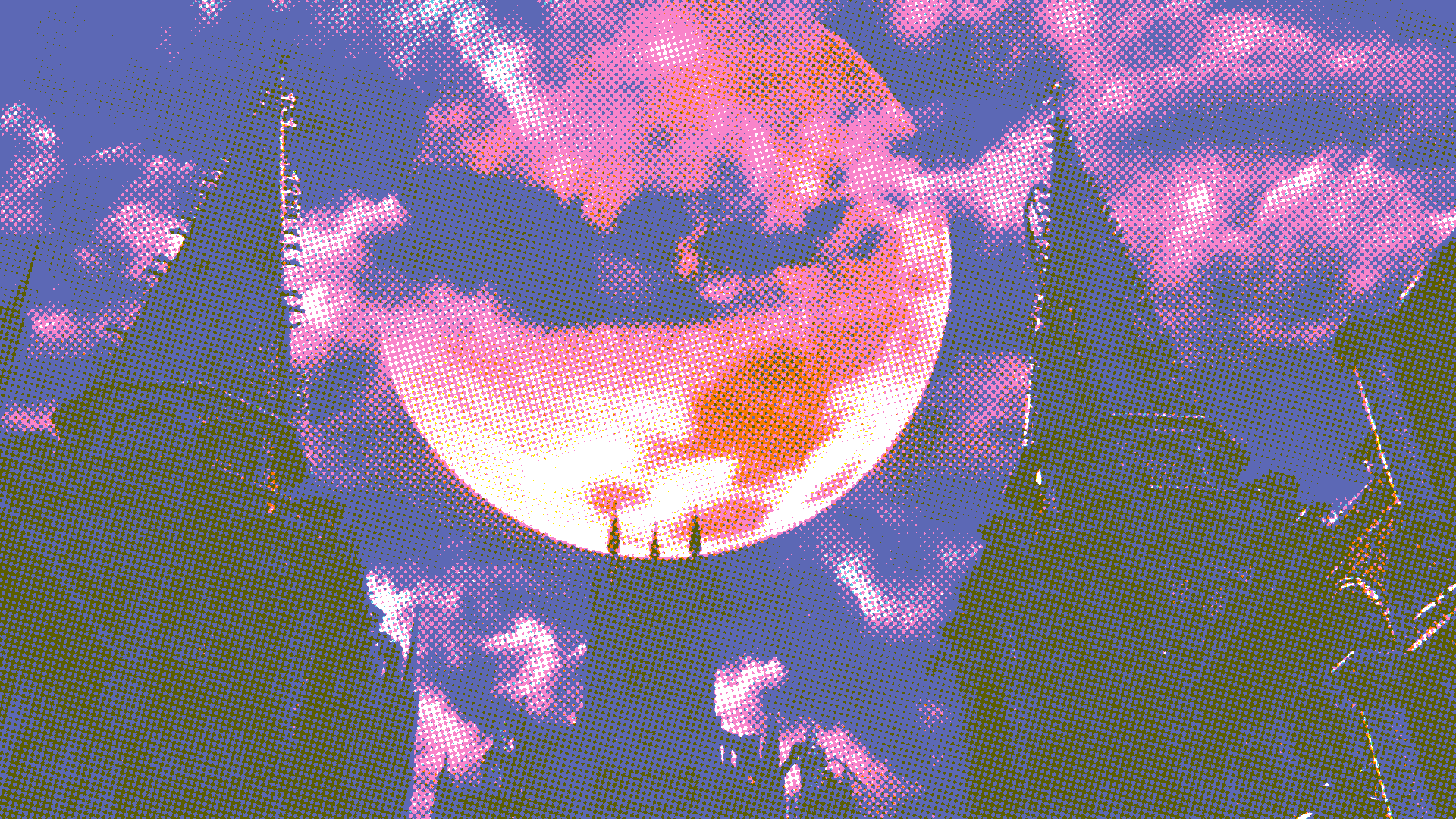
Skyboxes can play a highly active role in reinforcing narrative developments: as Honeybat explored in her analysis of Bloodborne, the game’s shifting skies directly reflect the player’s actions. Through atmospheric lighting and disturbing moon cycles, Bloodborne explores themes about fear of the unknown - making you question why you ever wanted to learn more in the first place.
 Honeybat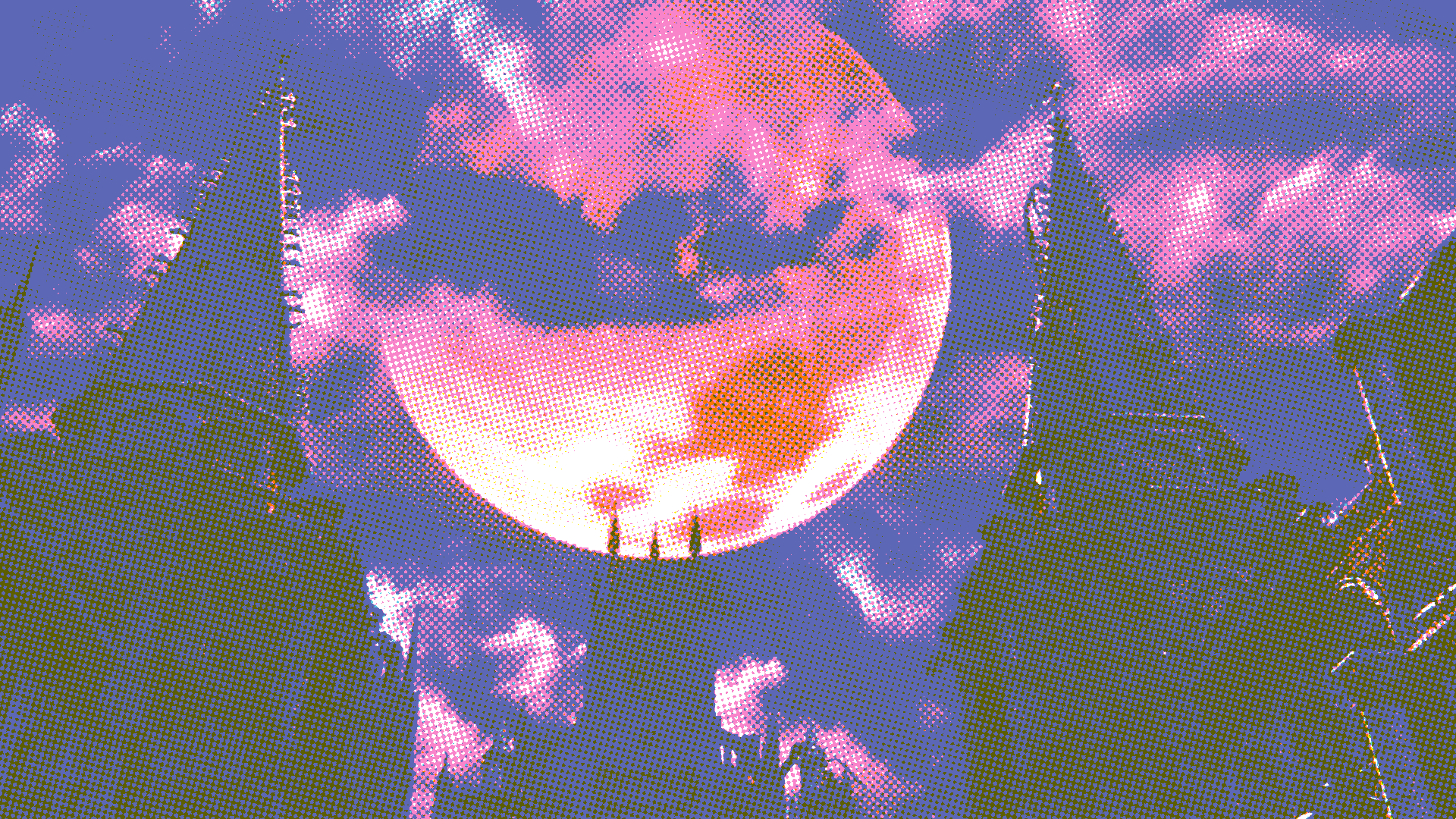
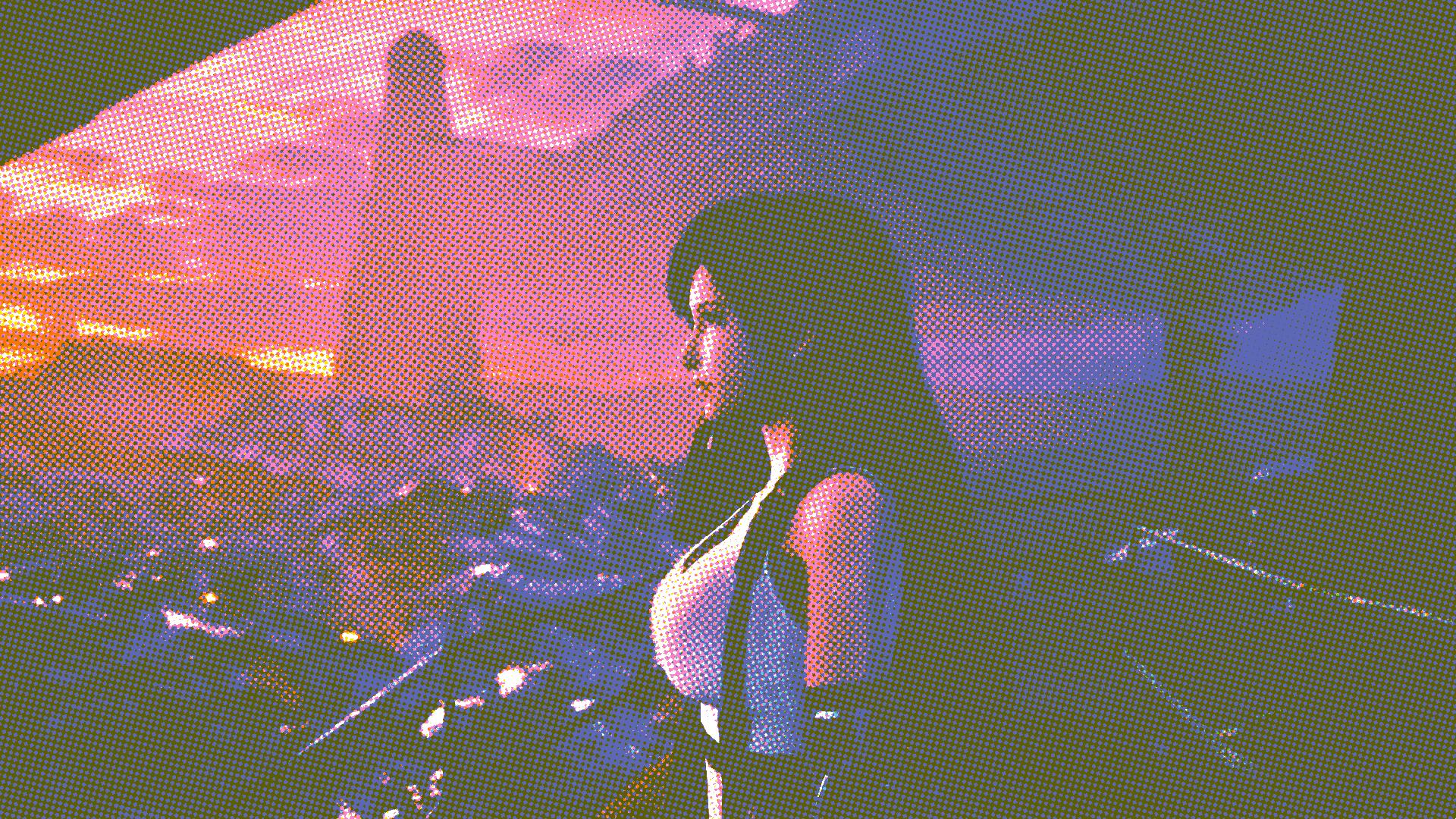
Yet skyboxes are also about disguising hidden boundaries, and making the player want to imagine places beyond a game’s borders. Eteo’s own Gregorios Kythreotis examined the decaying urban structures of Final Fantasy 7 and its remake, finding that there’s worldbuilding power in showing the player unreachable areas. After all, if you can explore everything, that doesn’t leave much to the imagination.
 Gregorios Kythreotis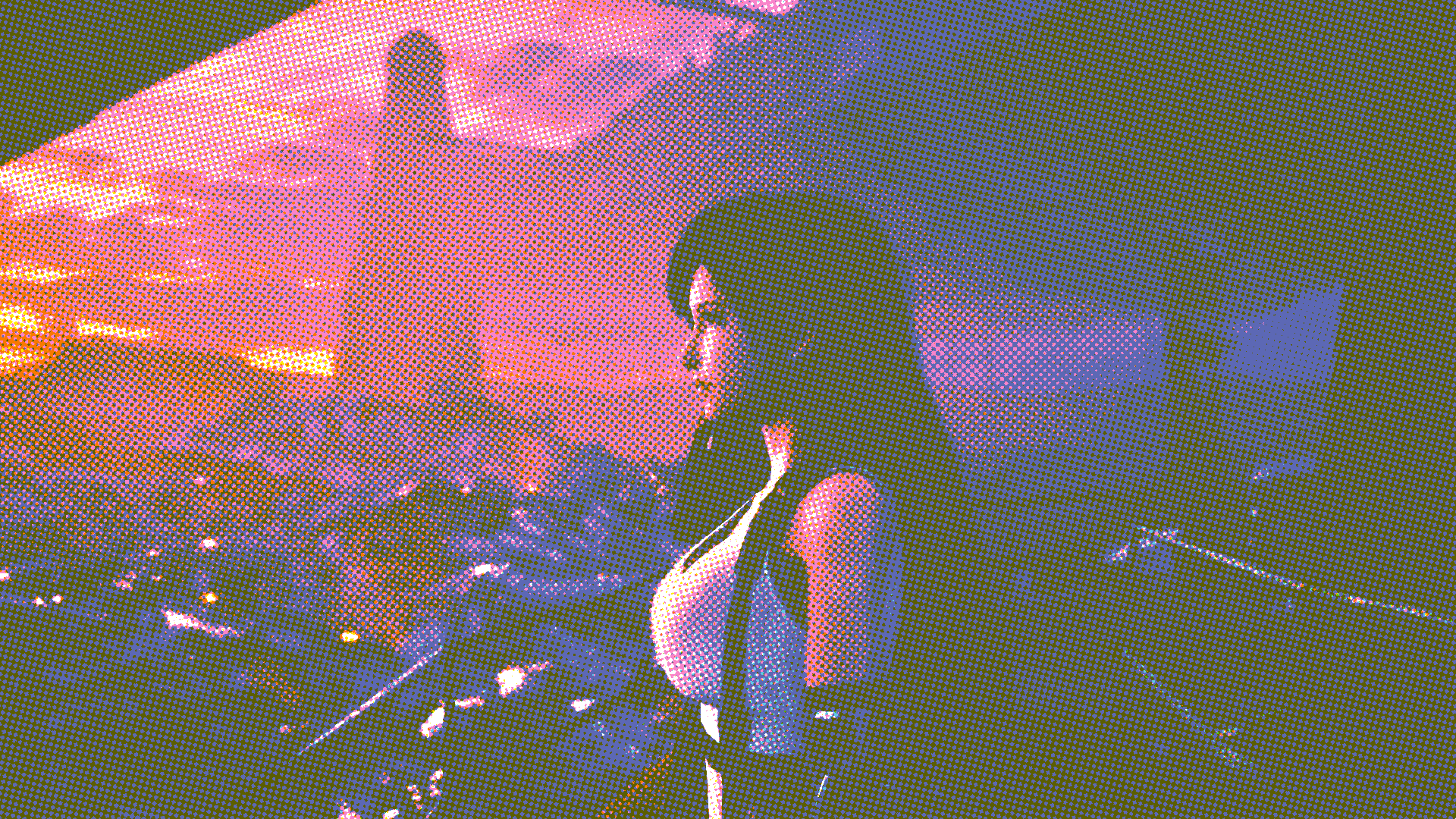
Recommended Reading: Animal Crossing, Halo, and Banjo Kazooie
Video game worlds are constructed from a series of tricks and illusions: seemingly-endless skies are actually decorated boxes placed over our heads, while some tantalising horizons can never quite be reached thanks to invisible walls. In this piece for Eurogamer, Christian Donlan looks at Animal Crossing (and other games) to discuss how developers seek to disguise boundaries - and how players find fun in testing their limits.
 Christian Donlan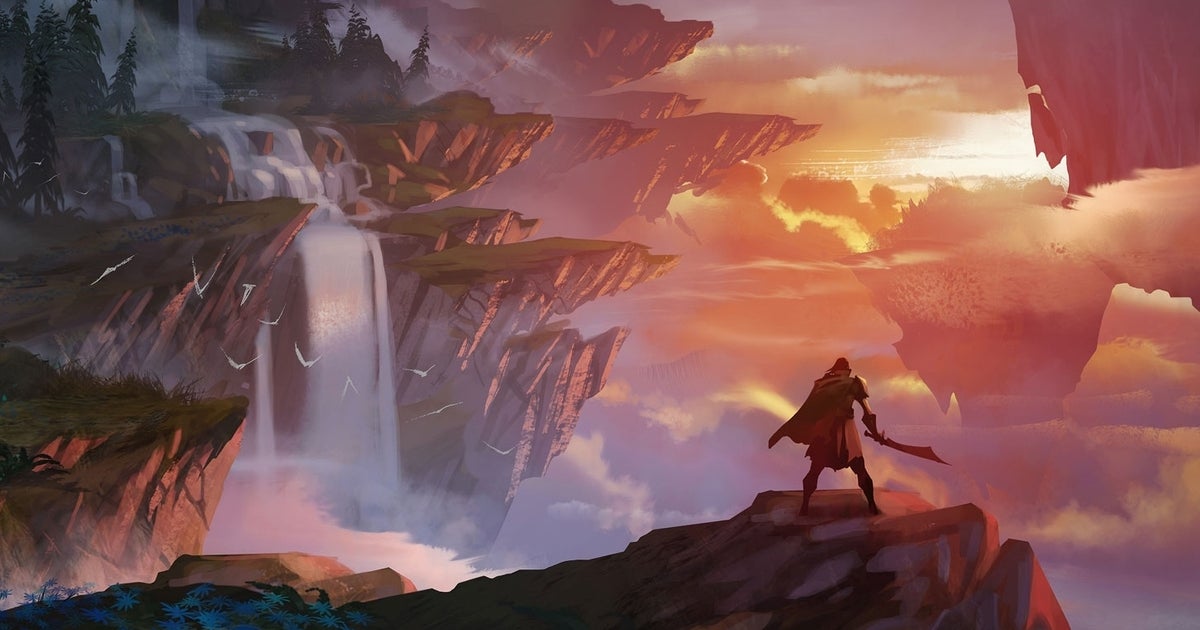
For a potted history of skyboxes, look no further than The History of The Skybox by Subpixel. This informative video essay provides an overview of the technical development of skyboxes, tracking their evolution from simple 2D mountain ranges to Halo’s impressive ring worlds.
YouTube channel Any Austin hosts a running series called Skybox Appreciation, which - you guessed it - shines a light on this often-overlooked aspect of video game design. In this particular video, Any Austin dives into the skyboxes of Banjo Kazooie, noting how its early stages play on ideas of summertime nostalgia. Interestingly enough, some of Banjo Kazooie’s ‘outdoor’ locations deliberately remove the skybox to create the feeling that you’re running through dioramas.
Community Comments of the Month
This month, we asked our Discord community for their favourite skyboxes in video games. Not only did we receive some great suggestions, but it’s also given us an excuse to post some gorgeous screenshots of video game skies. (We’re using the term skybox loosely here, by the way - anything from 2D skyboxes to 3D clouds is fair game for this one.)
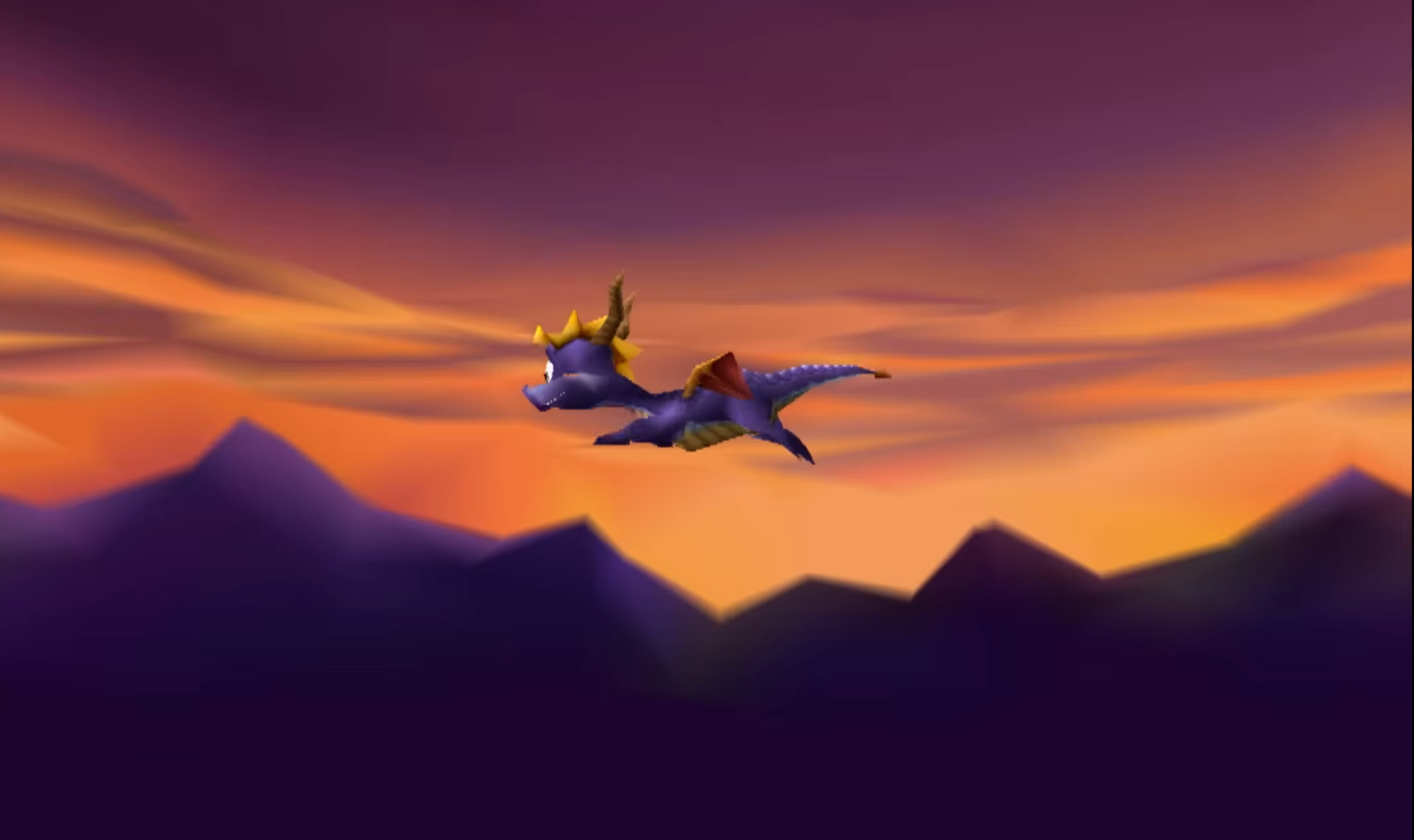
Looking back to the late 1990s, egypturnash highlighted how technological restrictions resulted in some stylish skyboxes in Spyro the Dragon. “Soft abstracted meshes of vector-colored polygons because memory was too tight enough on the ps1 to have smooth imagery, just beautiful,” egypturnash remarks. It’s another great example of how tech limitations can force developers to think outside the… err, box.
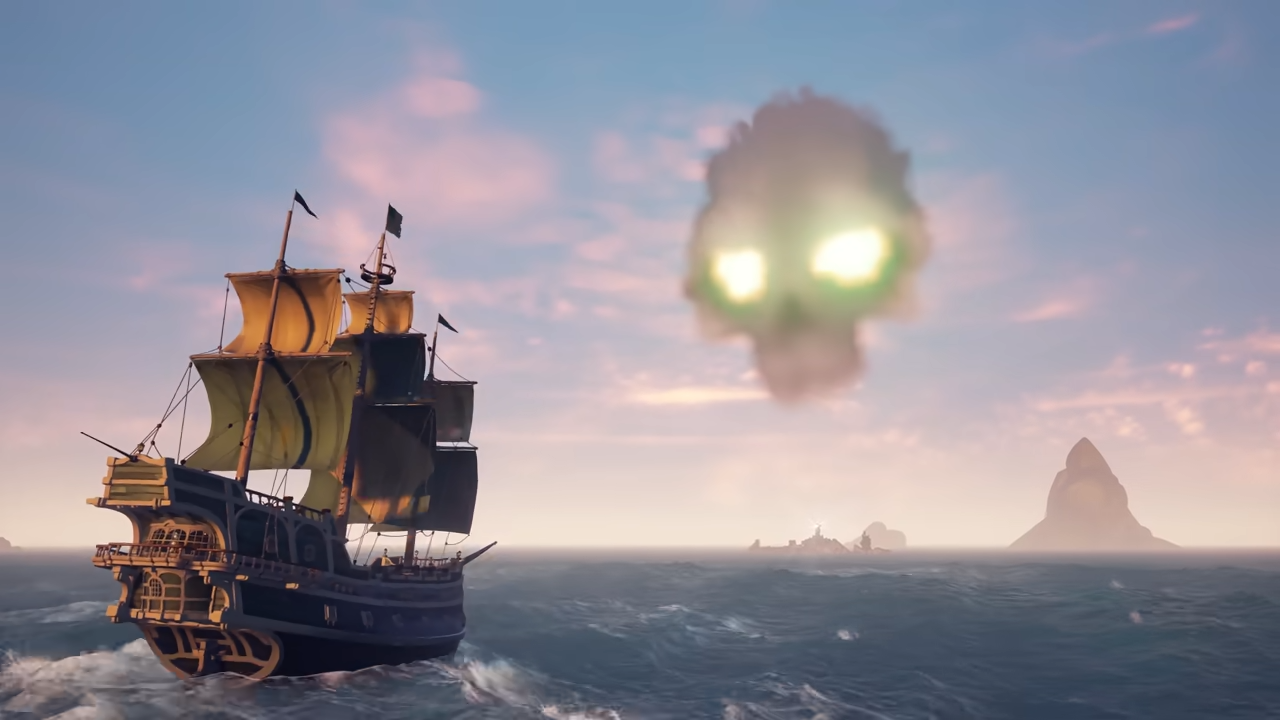
A more recent game that uses skyboxes to great effect is Sea of Thieves, as suggested by Perry Venture. In this case, the skies play a more active role in both the narrative and gameplay. “The clouds and sky are used for storytelling and for helping with directions and telling the [player] what's going on [in] the world,” they explain, highlighting the skull-shaped clouds that inform the player of world events as an example. “In some tall tale quests (story stuff) you need to look for stars (signs) in the sky to help you navigate to certain islands.” Now that is neat - it really does mirror the way sailors would use stars for navigation back in the day.
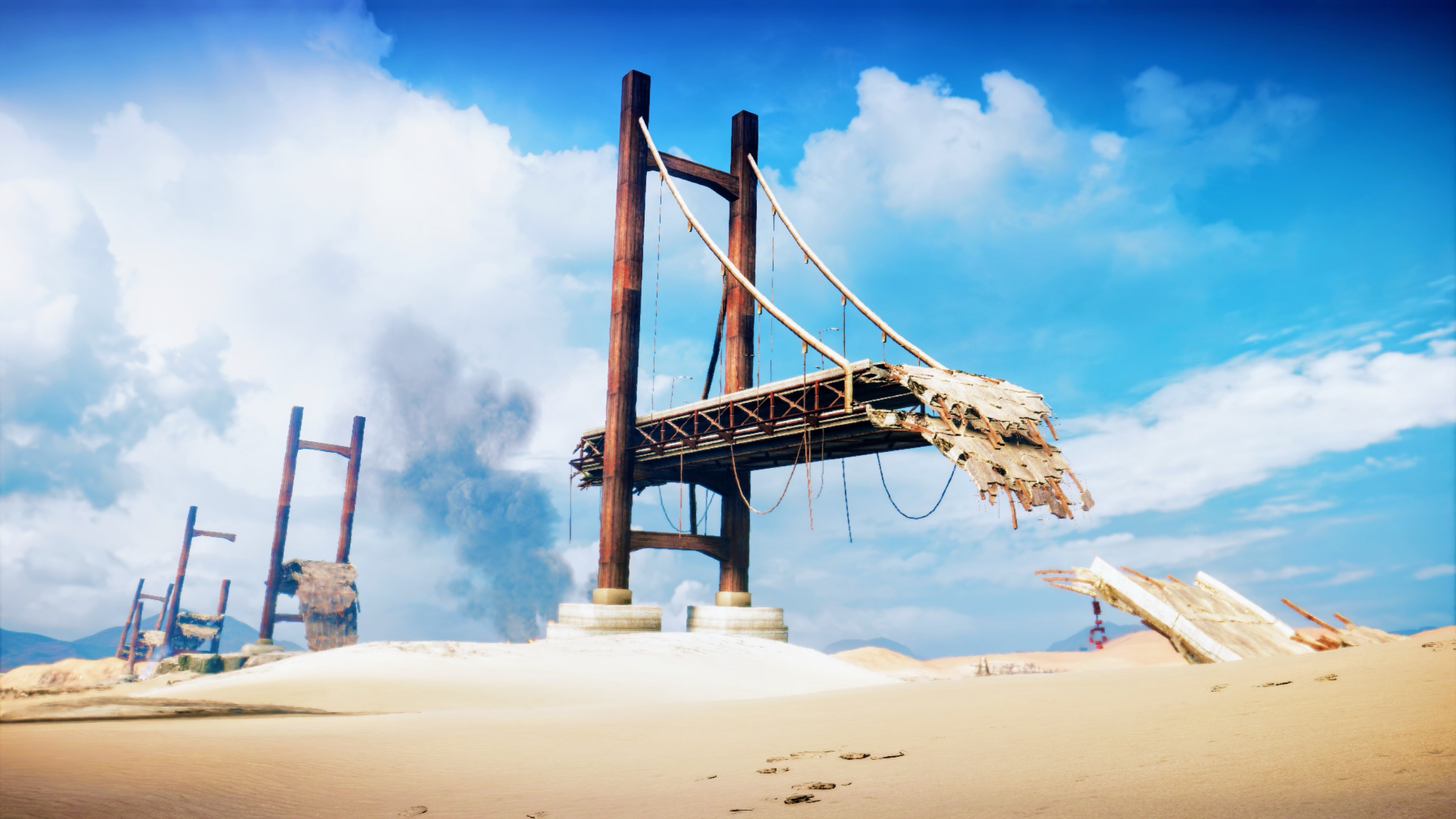
Getting really into the spirit of things, MrTJ nominated Mad Max for our selection of best skyboxes, and shared some screenshots they had taken themselves when playing the game. Driving through such desolate locations makes you very aware of the skybox: there’s just the desert, yourself and the sky, after all. Those enormous, shifting, wide skyboxes in Mad Max have the effect of making you feel rather small in a wild and dangerous landscape. Here’s one of those lovely screenshots MrTJ shared:
That’s all for this month’s Archetypes theme! Thanks again to everyone who submitted comments in the Discord - we always enjoy chatting about game design with you all. Remember to follow Eteo’s social accounts to stay up-to-date on studio news and the latest Archetypes posts. Remember to tune in next week when we reveal a brand new monthly theme. Yes, that was indeed a clue.