Flying Cities
The Monthly Roundup: Flying Cities
Hello, happy Boxing Day, and welcome to the inaugural monthly roundup for Eteo Archetypes! Thank you so much for reading Archetypes: we’re thrilled to have you on board for this journey into game design pastures new. We hope you’re enjoying our initial offering of articles on Flying Cities - and you should keep an eye out for next month’s theme, as there are plenty more fantastic pieces on the way soon.
In these round-ups you can expect to find a recap of the articles we published over the month, alongside some additional reading on the monthly theme. In other words: articles and video essays from game developers, journalists and content creators that we really enjoyed, and think you will enjoy too.
We’ll also be publishing a selection of your video game recommendations on the monthly theme. We take these from the Eteo Discord server, so hop on over there if you’d like your comments to be featured in a future round-up. (It’s also a very relaxed and friendly place to discuss video games, so you should join for that alone.)
First up, we have a message from Gregorios Kythreotis, founder of Eteo, on the studio’s launch and what you can expect in the (not-too-distant) future:
Introducing Eteo
Hi everyone, since Eteo was announced on the PC Gaming Show earlier this month, we’ve received many of your wonderful messages celebrating the studio’s launch, and we’re really grateful for all your support.
We’re not yet ready to reveal details of the game that we’re currently working on, when we’re ready to share details, we’ll keep you updated through the Eteo newsletter. This is the best place to hear news about the studio, so make sure to stay subscribed.
You might also want to keep a careful eye on Archetypes to discover hints about certain themes that may make an appearance in our game.
In the meantime, have a great Christmas, and we’ll be in touch with further updates in the new year.
-Gregorios Kythreotis
Flying Cities: Skies of Arcadia, Gravity Rush 2, and Apex Legends
This month on Archetypes, we focused on the complex vertical worlds of Flying Cities, examining the way these architectural marvels interact with the narrative and mood-building elements of their respective games.
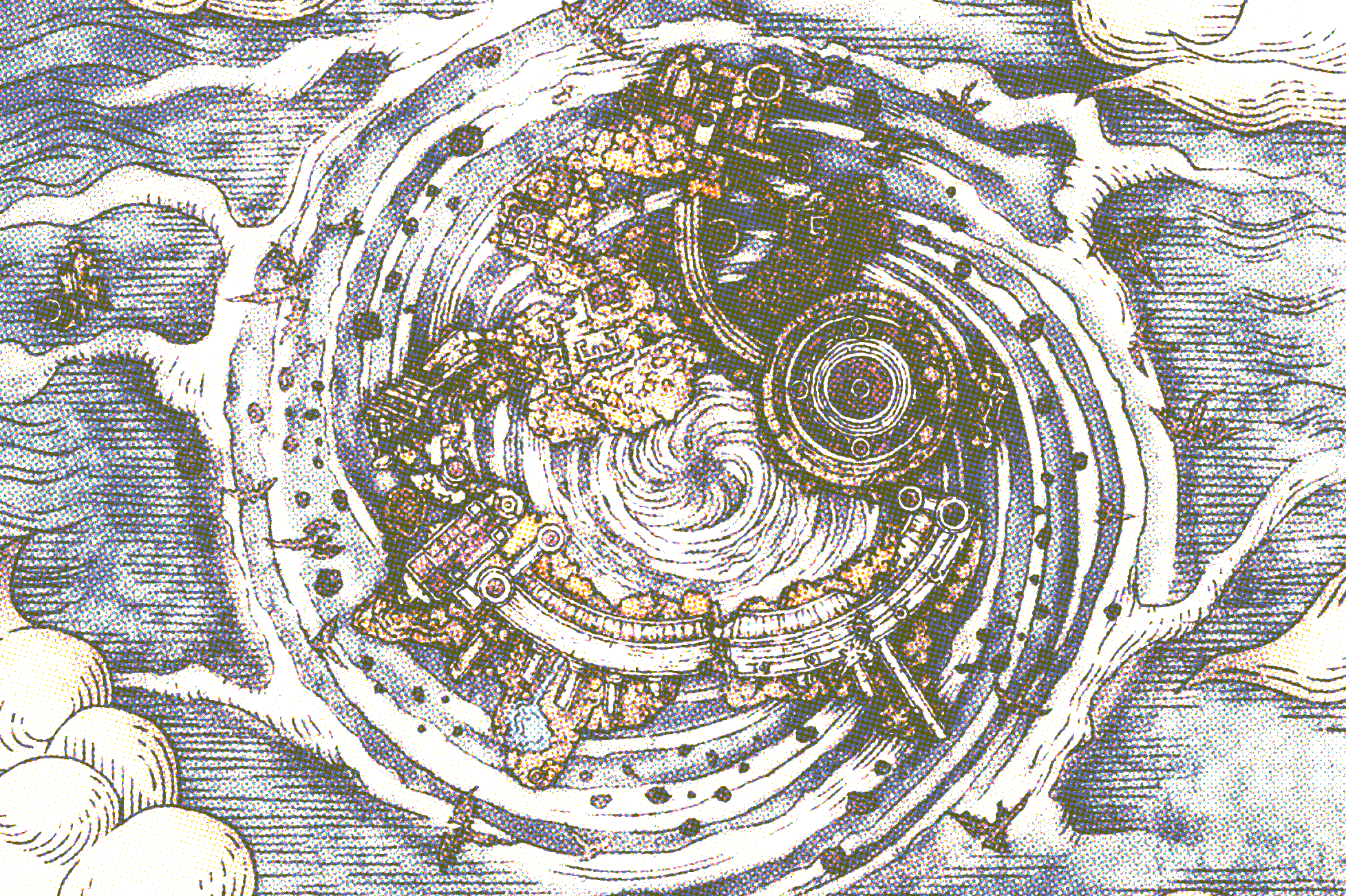
Our first piece, on The Blue-Sky Optimism of Skies of Arcadia by Gareth Damian Martin, took a close look at the hub world of Sailor’s Island, examining how the island’s architecture draws the eye towards the horizon. As Martin writes, this playful framing brings a sense of “promise” to the town, which interacts beautifully with Skies of Arcadia’s overarching tone of plucky optimism.
 Gareth Damian Martin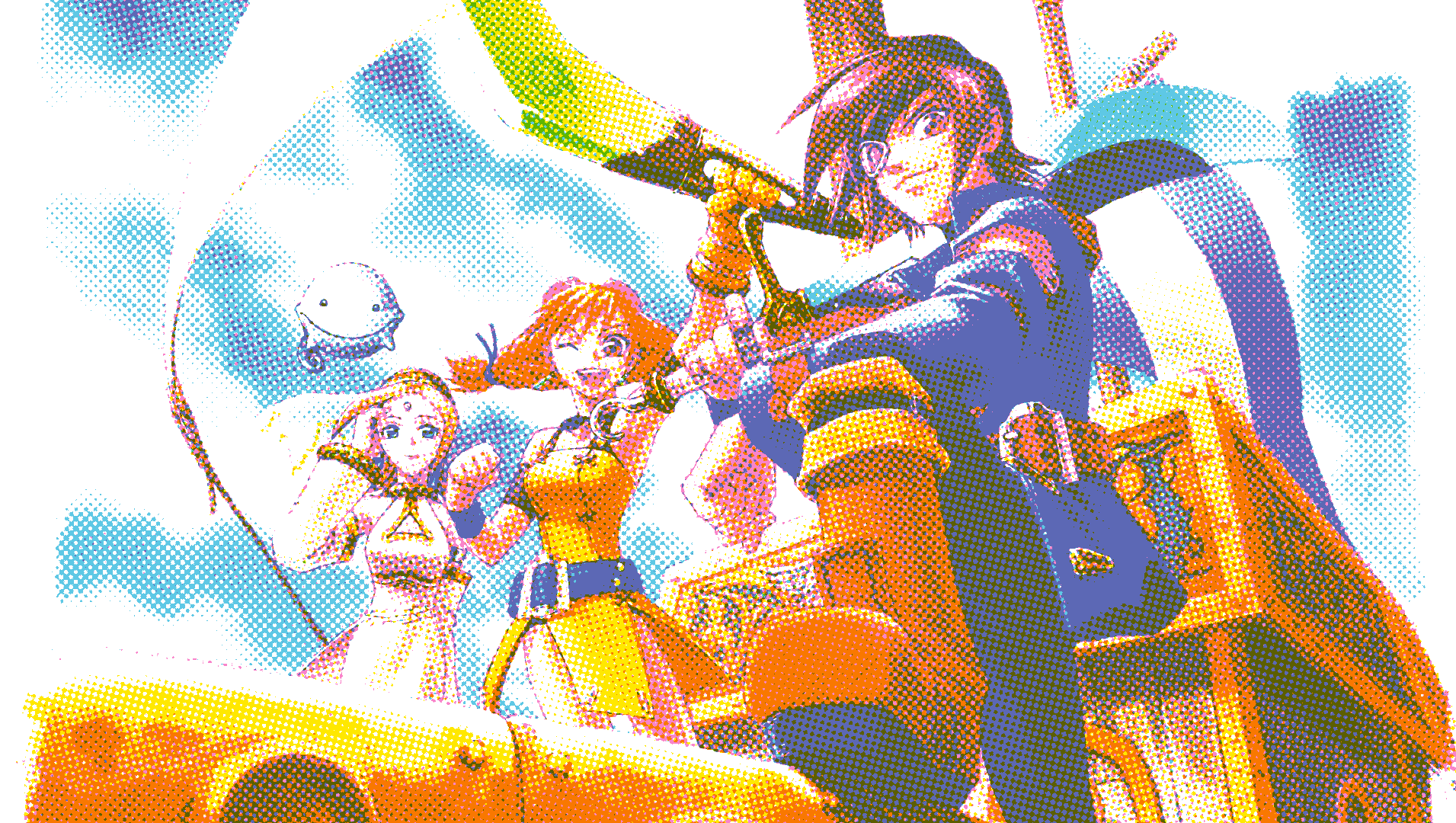
Moving from clean sightlines to chaotic cityscapes, Christian Donlan delved into the Addled Intricacy of Gravity Rush 2, observing how the game’s complex floating cities encourage clumsiness while also offering moments of quiet relief. “In a world of tumbling movement in which details blur, you're suddenly asked to slow down and look at the world around you, to really focus on its bits and pieces,” Donlan writes.
 Christian Donlan
While flying cities can be places of hope and optimism, they can also function as cautionary tales. Examining the history of failed floating utopias in the arts, Emma Kent (hello, that’s me) argued that Apex Legends’ doomed city of Olympus fits into this tradition, with a narrative that warns against unquestioning belief in seemingly ‘altruistic’ projects. Given the wild promises billionaires are currently making about techno-utopias, it’s a timely reminder to exercise cynicism when confronted by claims that seem too good to be true.
 Emma Kent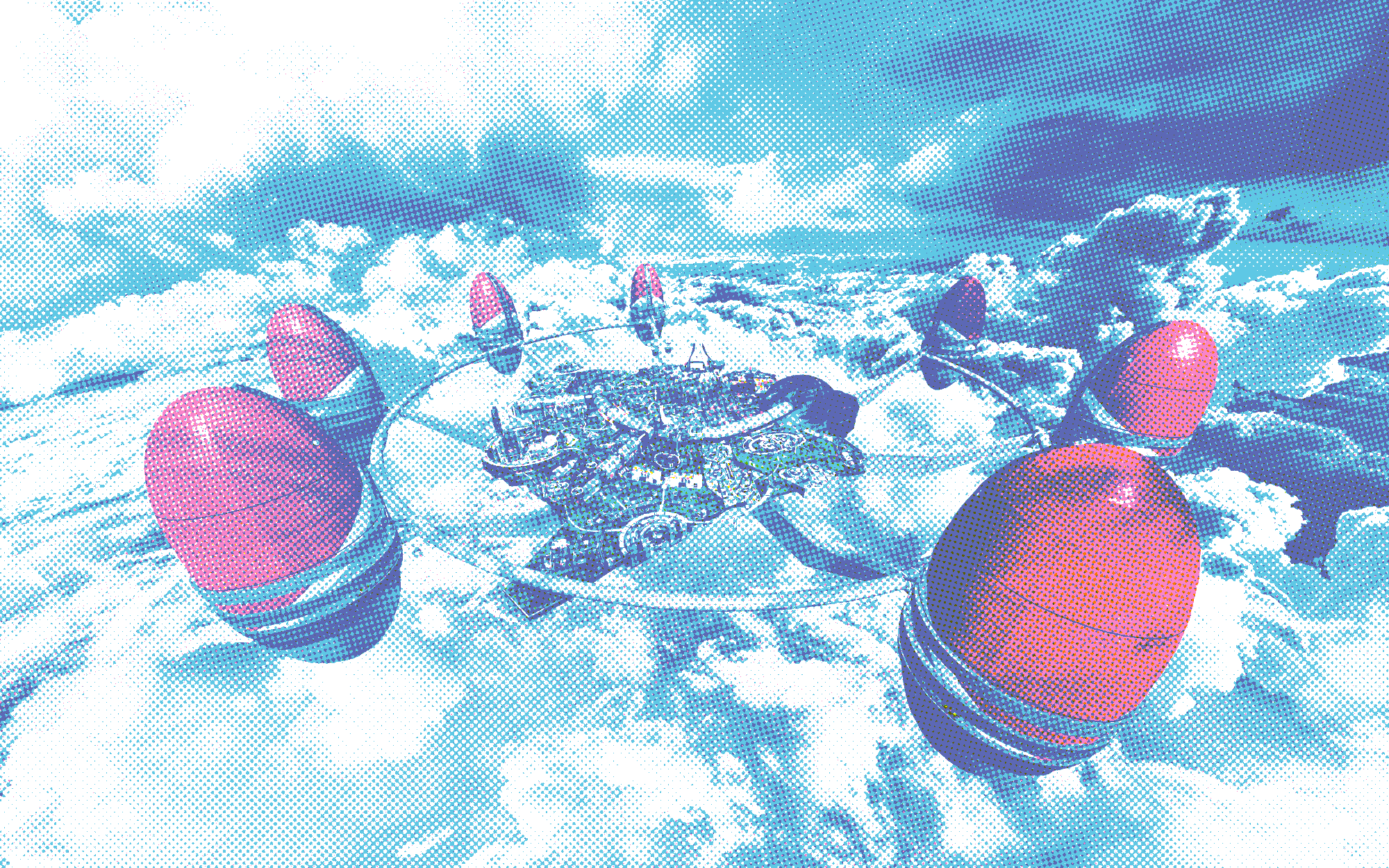
Recommended Reading: Elden Ring, Zelda, and Airborne Kingdom
If you're flying high after reading those articles, the fun doesn’t have to end there. Following our trio of articles on Flying Cities, we searched around for further examples of writing and video essays on the topic, and found some brilliant pieces to share with you.
Part of the beauty of Elden Ring’s storytelling is that its fragmented narrative encourages archeological investigation, and those willing to put in the hours can uncover hidden historical layers that might be missed on an initial playthrough. Almost as soon as you take your first steps into Elden Ring’s open world, you’re likely to spot some massive chunks of stonework buried in the ground. These, as it turns out, are the scattered remains of Farum Azula: an ancient city of dragons, now a crumbling ruin held aloft by storm clouds and tornados. This extensive video by Smoughtown delves into the beastmen that lived in Farum Azula, piecing together archeological clues with item descriptions to detail how Farum Azula broke away from the mainland, and the sort of society that once inhabited the city. (Try 44:47 for a more concentrated section on Farum Azula.)
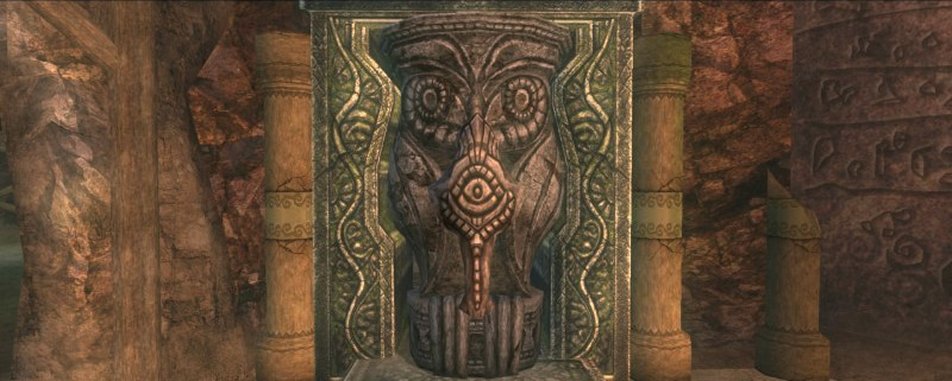
When it comes to flying cities, the Zelda games are likely to spring to mind, with one notable entry being the City in the Sky seen in Twilight Princess. This enigmatic floating city is inhabited by Oocca: a tribe of bird-like creatures that flourished due to their advanced technology. The city as we see it is in a state of decline, however, and seemingly devoid of warmth and culture. On The Architecture of Zelda blog, author Talbot analyses the ruins found on this flying city, concluding that the Oocca seem dualistic in nature: technologically-minded yet organic, futuristic yet ancient, and living in a place that seems unsuited for them - despite being created for that exact purpose.

If you’re looking for a game where a flying city is front and centre of the action, then Airborne Empire might be the answer. Made by The Wandering Band, this is a city-builder that bears similarities to the survival mechanics of Frostpunk - although without the same level of punishment for mistakes. For Vice, Rob Zacny recounts that this reduced sense of friction actually serves the game well, with the soothing soundtrack and relaxed gameplay creating an “unusually meditative experience”.
 Rob Zacny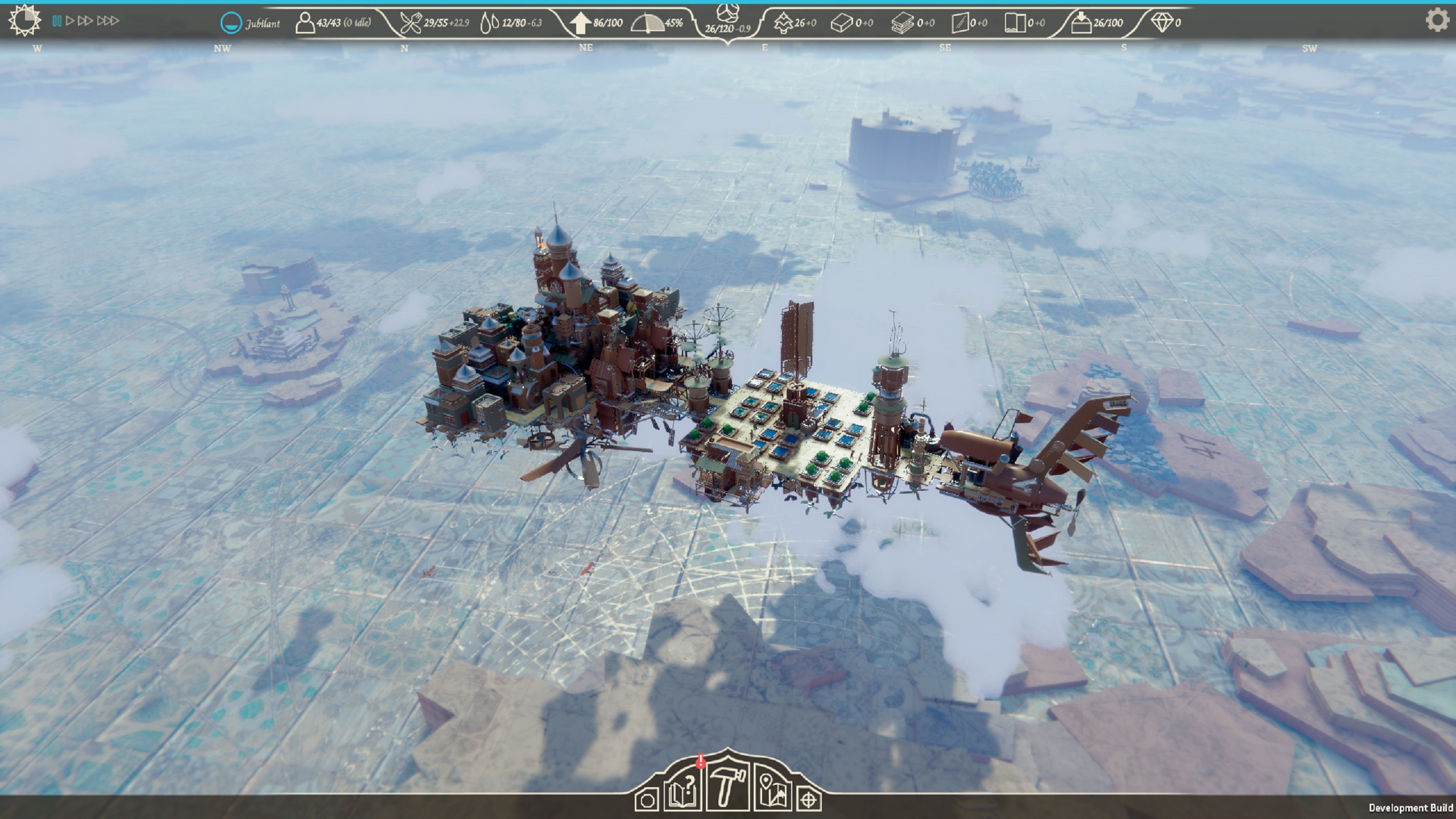
Community Comments of the Month
What’s your favourite flying city in a video game? We asked members of the Eteo Discord server this question - and received some great recommendations in return.
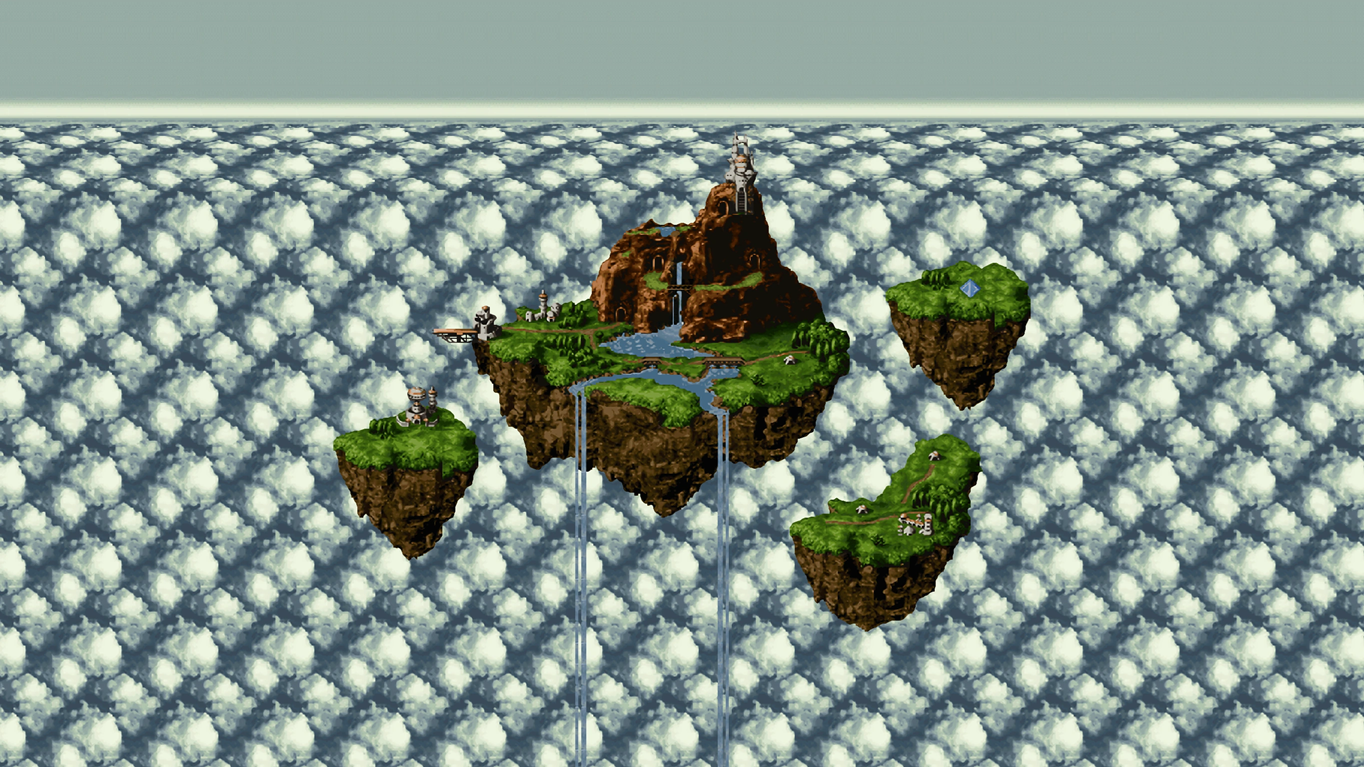
User Ari highlighted the Kingdom of Zeal from Chrono Trigger, noting that the disconnect between the city’s visuals and storyline leaves the player feeling a little uneasy. “When you first enter the floating city from the frozen wasteland below it seems like an idyllic place, full of ornate architecture and lush scenery,” Ari explains. “But as you progress it is slowly revealed that the people of this civilization have some dubious ambitions that could potentially spell destruction.
“The contrast is what makes it memorable. A beautiful city harboring dark secrets.” Well, somehow you’ve sold us on visiting this unsettling island, Ari - we’ll start packing our bags.
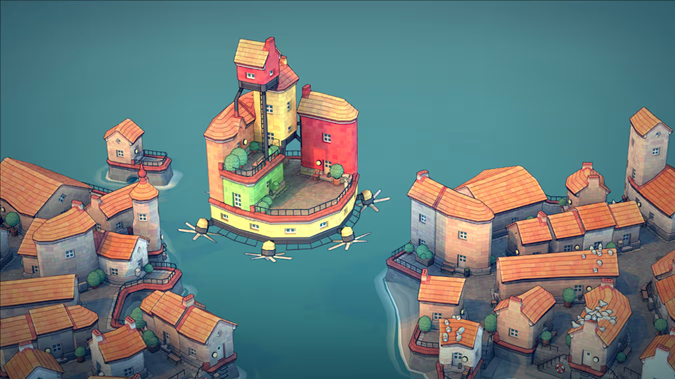
An unexpected recommendation came in the form of a (somewhat secret) interaction within Townscaper. As user Drew explains, this is a sandbox game that uses procedural rules to make the player’s constructions seem “plausible”, with supports and bridges that sprout between buildings. Those who tinker sufficiently, however, may find “...a few hidden places in the game's grid that will instead allow you to build floating structures kept aloft by propellers.”
“It's such a wonderful surprise to find while exploring the game” Drew adds, and we couldn’t agree more: these are the sort of small delights that tend to stick in the memory. Thanks for the suggestion, Drew!
A more abstract suggestion came in the form of Manifold Garden, as recommended by user Misan. Although not a flying city in the traditional sense, Misan highlights how Manifold Garden’s world is full of “infinite and impossible structures” that seemingly “float in nothing”.
“As a character you can jump from the bottom floor of a skyscraper and fall on its roof,” Misan adds. “Those liminal cities without ground but with gravity are weird but great… playing this game feels surreal.”

A huge thanks to everyone who took part in the discussion on Discord this month: we received a lot of brilliant game suggestions, and it was great to see so much enthusiasm for video game design analysis.
We’ll soon be picking another set of comments for the next roundup, so keep your eyes peeled for our second Archetypes theme, which will be revealed next week.
Thanks for reading, and happy holidays!